
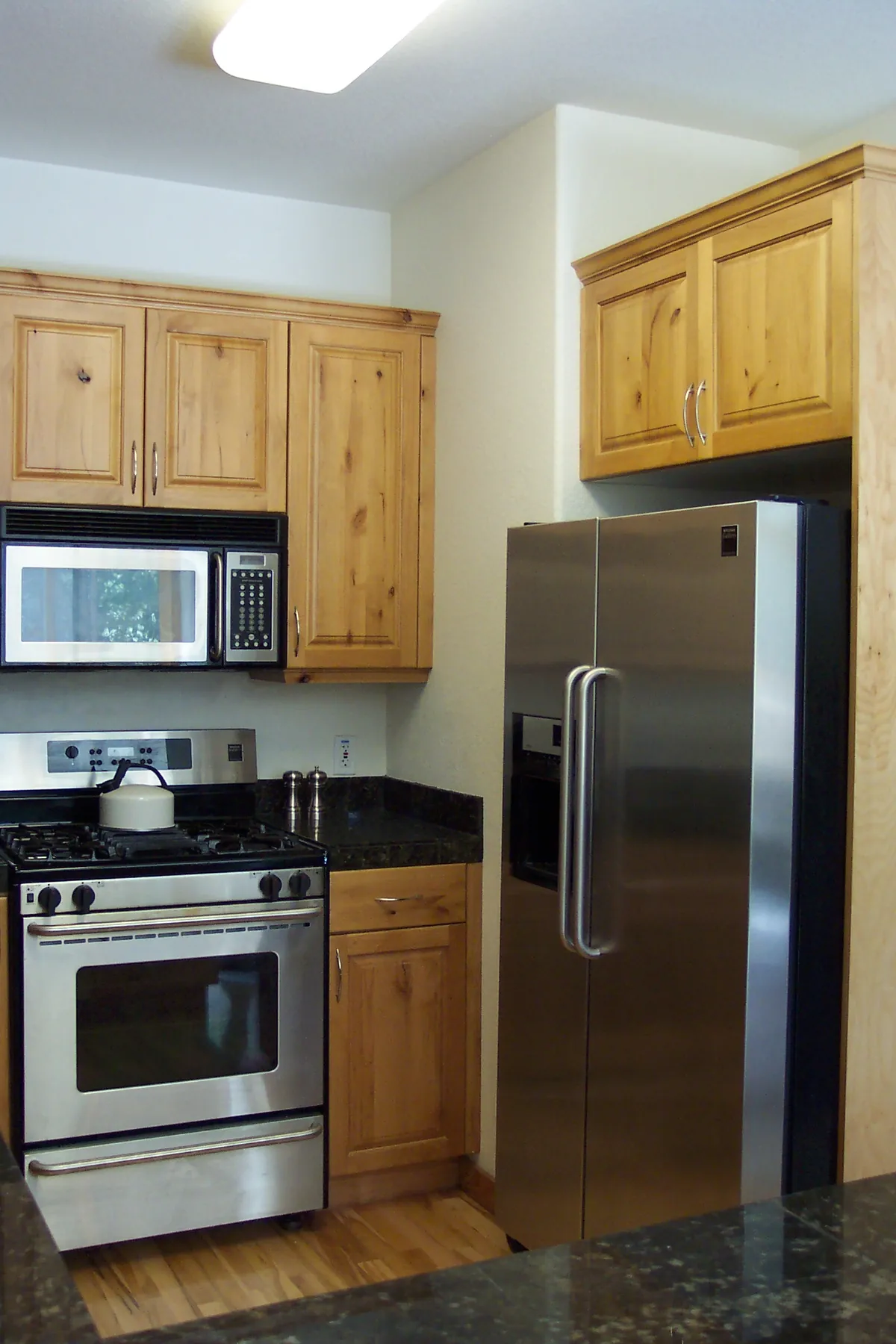
Refrigerator Repair
Warm sections, frost walls, leaks and noisy fans on top-freezer, side-by-side and built-in units.
More on Refrigerator Repair →ENERGY STAR tells owners of older refrigerators to keep the condenser coils clean and to read the manual first, because plenty of newer models need no coil cleaning at all. Good upkeep starts with knowing which kind you own.
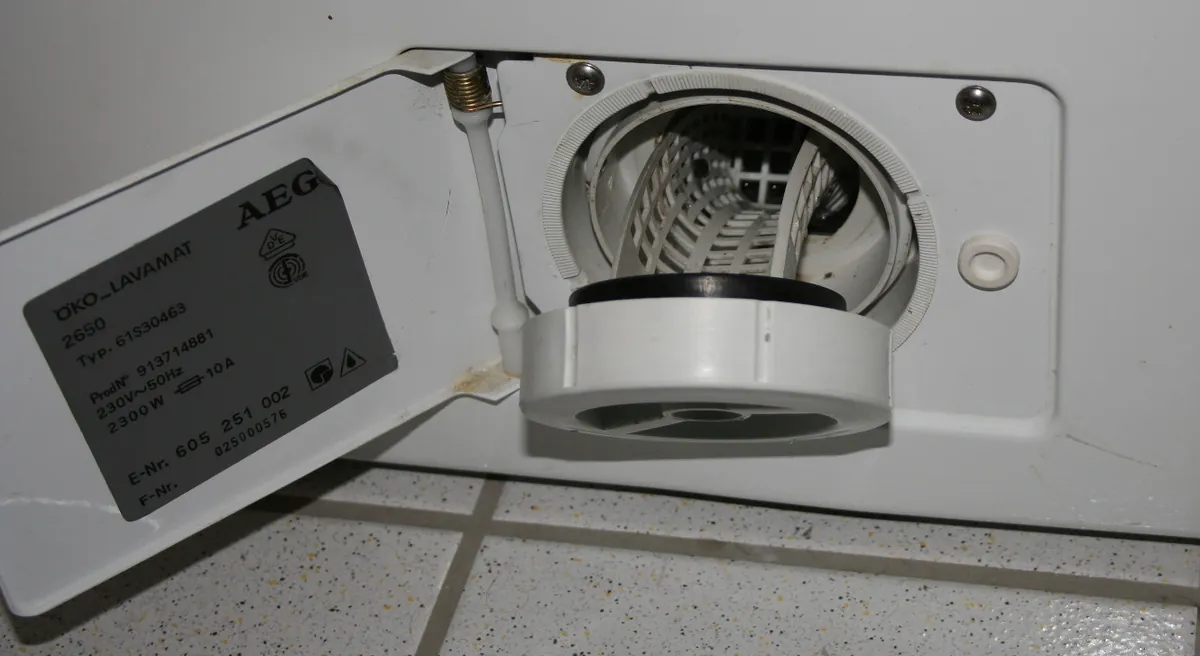
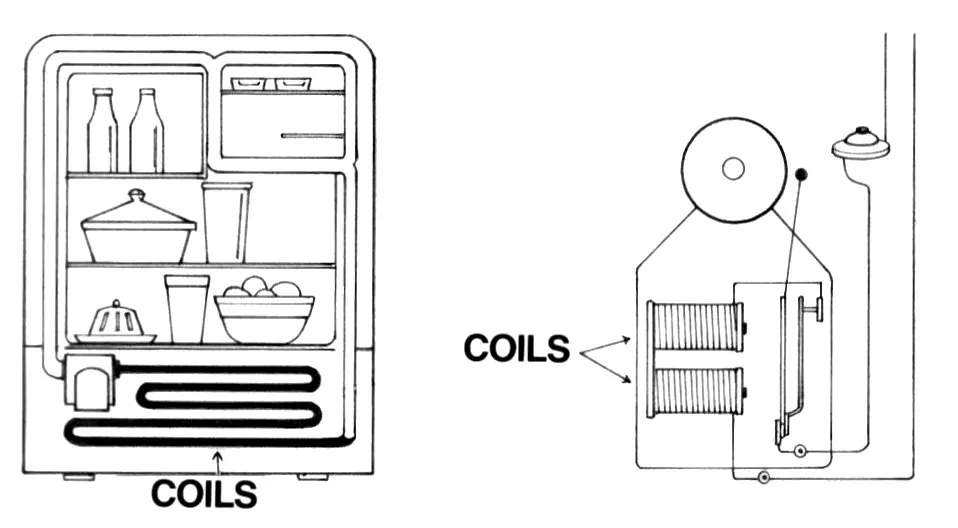
Maybe, and the manual decides. GE says most of its refrigerators built since 2001 use a condenser that needs no cleaning, while compact and smaller top-freezer models still have coils to brush. Whirlpool calls routine cleaning usually unnecessary, then makes an exception for greasy, dusty or pet-heavy homes: every 2 to 3 months there, and some models can only be cleaned by a technician. Sub-Zero's general instruction is every six to twelve months. Dirty coils make the sealed system work less efficiently, which costs more on island power.
The owner tasks makers actually publish, with how often they say to do them. In a Honolulu home or anywhere else, your manual overrides any line here.
| Appliance | Owner task | How often | Who says so | Island note |
|---|---|---|---|---|
| Refrigerator | Wipe door seals with a damp cloth and dish soap | About monthly | Samsung | Dust pulls moisture onto surfaces |
| Freezer | Flush the defrost drain where the design allows | Once or twice a year | GE | Humid kitchens make more frost to melt |
| Washer | Run the cleaning cycle; leave the door open between loads | Monthly; after every load | Whirlpool, GE, Maytag | A shut, wet drum dries slowly in damp air |
| Dryer | Clean the lint screen; have the house vent cleaned | Every load; yearly per NFPA | CPSC, NFPA | Vent outdoors where possible, says EPA |
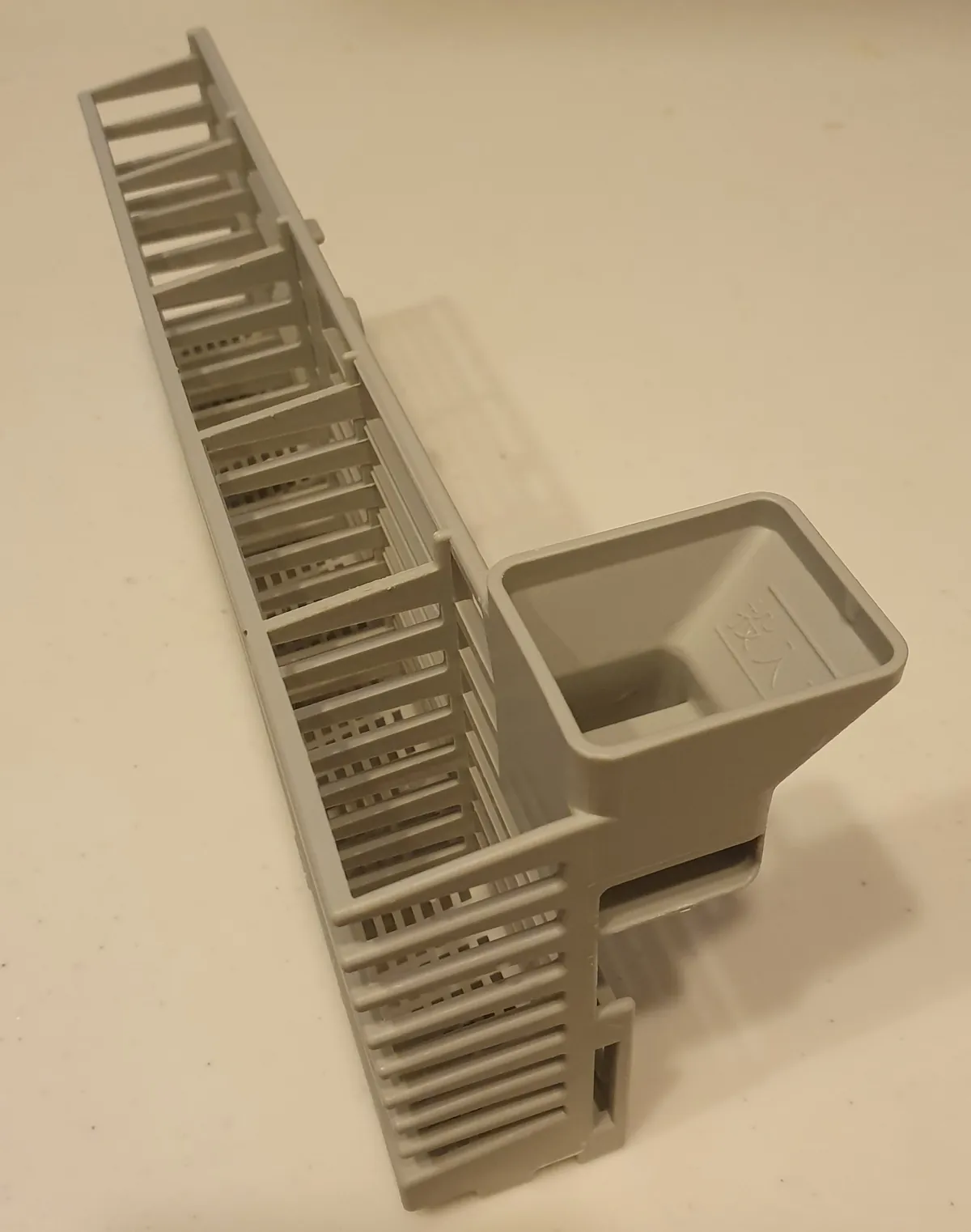
| Dishwasher | Rinse the filter; clear the spray arm holes | Monthly; every few months | Whirlpool, GE, Bosch | Descale only if your water runs hard |
Most of the routine is yours, and it takes minutes. A visit covers what sits behind panels: coils that only come clean with the unit pulled out, lint packed inside a dryer cabinet, a defrost drain that will not flush, a range bracket that never got re-engaged. You get a written note of what was found and what can wait.
There is no off season here. Only about 6 F separates the warmest and coolest months in Honolulu, so fridges, washers and dryers work under the same warm, damp conditions all year. GE says a refrigerator compressor is designed to run 80 to 90 percent of the time and can approach 100 percent in hot, humid rooms, which is exactly where dirty coils and tired gaskets hurt most. Damp air also means a front-loader left shut stays wet, and a lint-choked dryer runs longer. None of that needs a technician to prevent. It needs the five-minute habits in the table above, done on schedule, with the manual open.
| Appliance | Owner job | Technician job |
|---|---|---|
| Refrigerator coils | Vacuum coils you can reach, if the manual calls for it | Models Whirlpool says only a technician can clean |
| Freezer frost | Defrost a manual compact at 1/4 to 1/2 inch of frost | Heavy frost or ice on a frost-free unit, per GE |
| Dryer lint | The lint screen, every load | Lint inside the cabinet, periodically, per CPSC |
| Dishwasher | Filter, spray arm holes, rinse aid | Door latch and lock, which Bosch leaves to a pro |
| Gas range and dryer | Dry burner caps fully and seat each on its own head | A yearly check of fuel-burning appliances, as CPSC advises |
Tell us which appliances are in your Honolulu home, their brands and model numbers, and anything odd you have noticed, from a sweating fridge door to slow drying.
Each machine is checked against its maker's care list, plus the parts behind panels that owners cannot easily reach.
You get a short written note per appliance: what was cleaned, what looks worn, and what can safely wait until next time.
Before leaving, the technician walks you through the owner tasks for your exact models, so the routine fits your manuals.
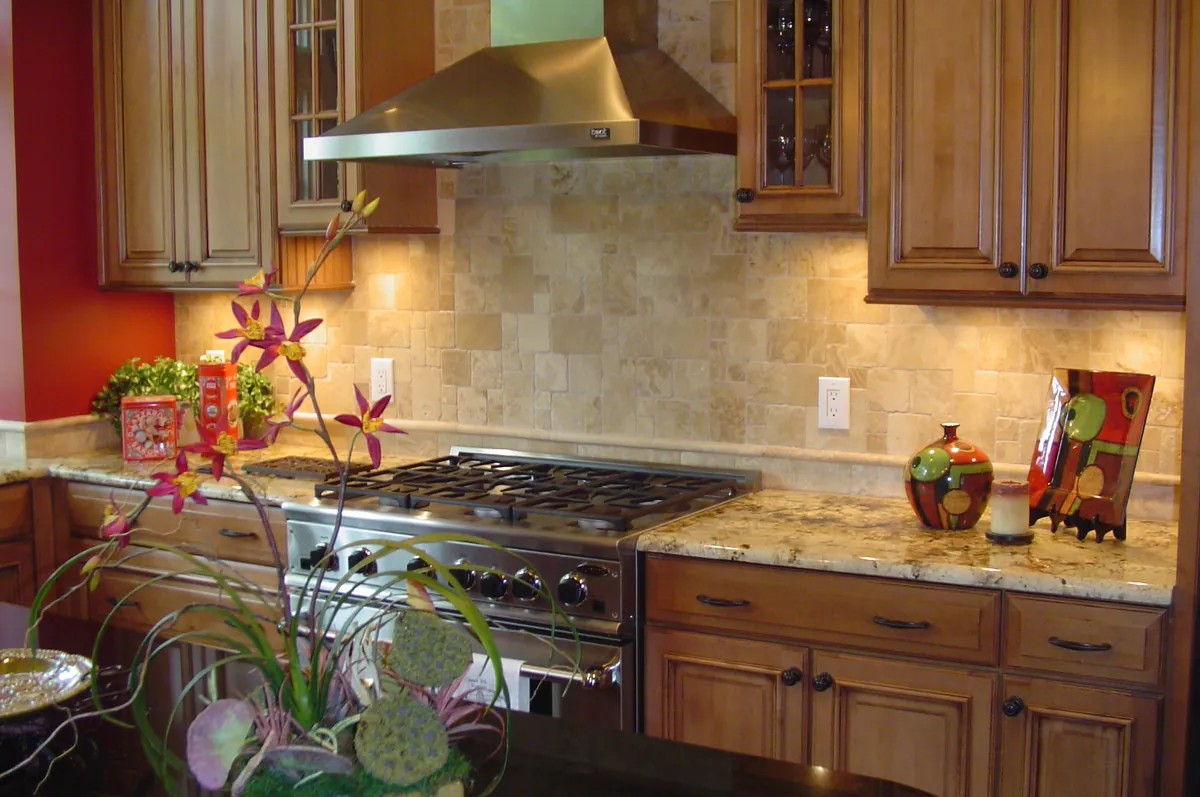
The six machines island kitchens and laundry rooms lean on hardest, each with its own page on causes, parts and cost.
Warm sections, frost walls, leaks and noisy fans on top-freezer, side-by-side and built-in units.
More on Refrigerator Repair →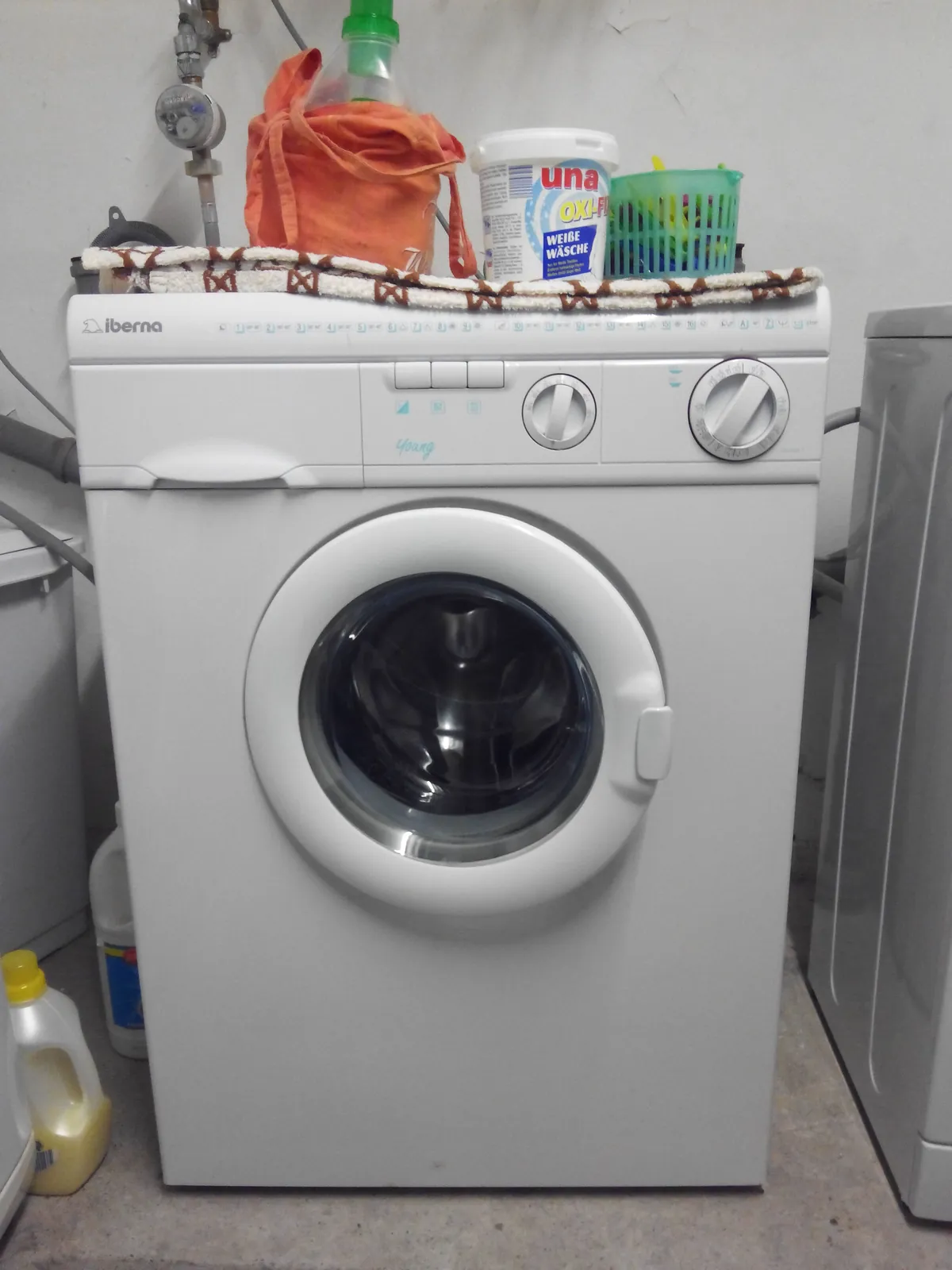
Top-load and front-load washers that will not drain, spin, fill or stop walking across the floor.
More on Washer Repair →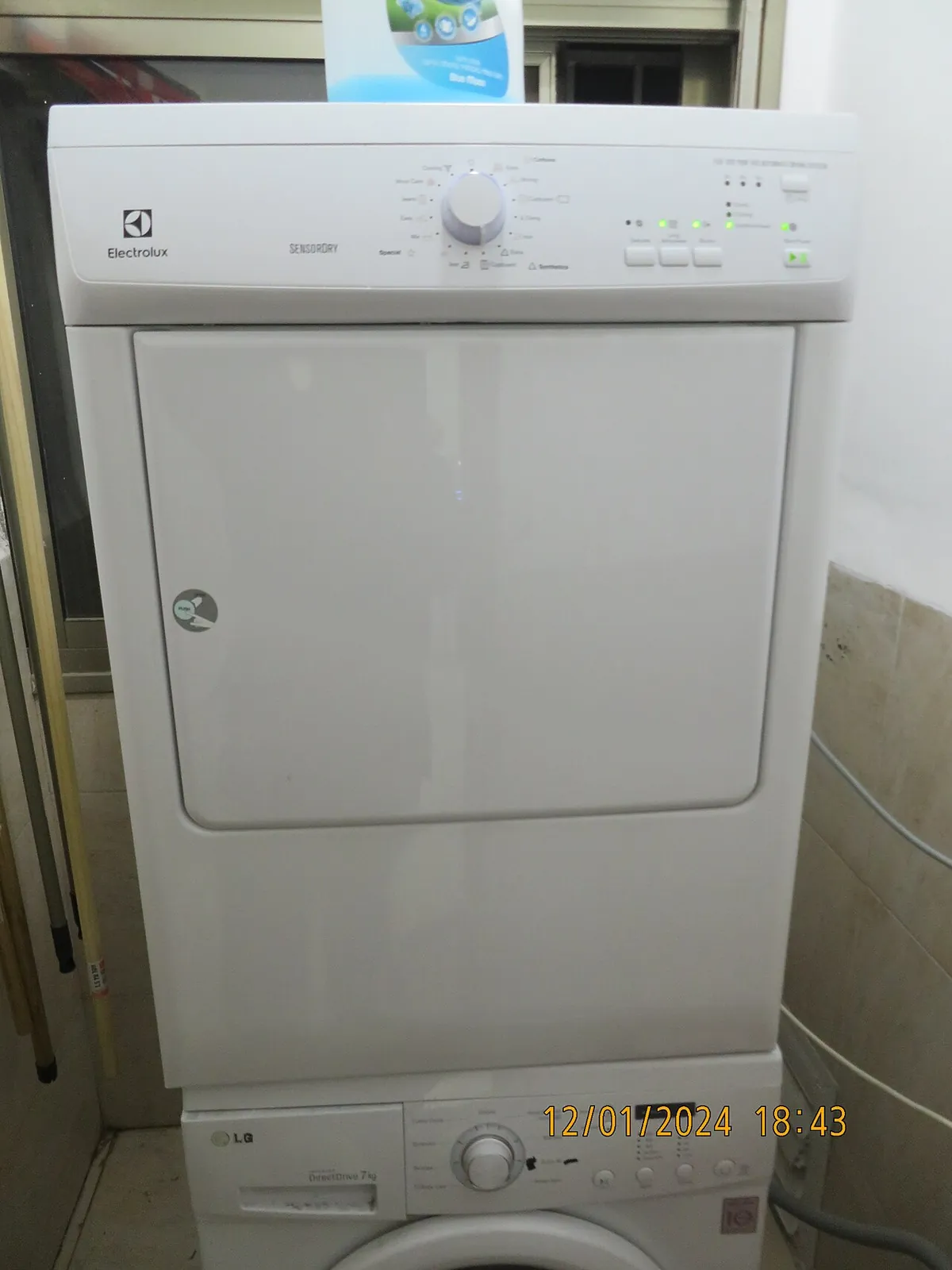
Gas and electric dryers that tumble cold, squeal, stop mid-cycle or never start at all.
More on Dryer Repair →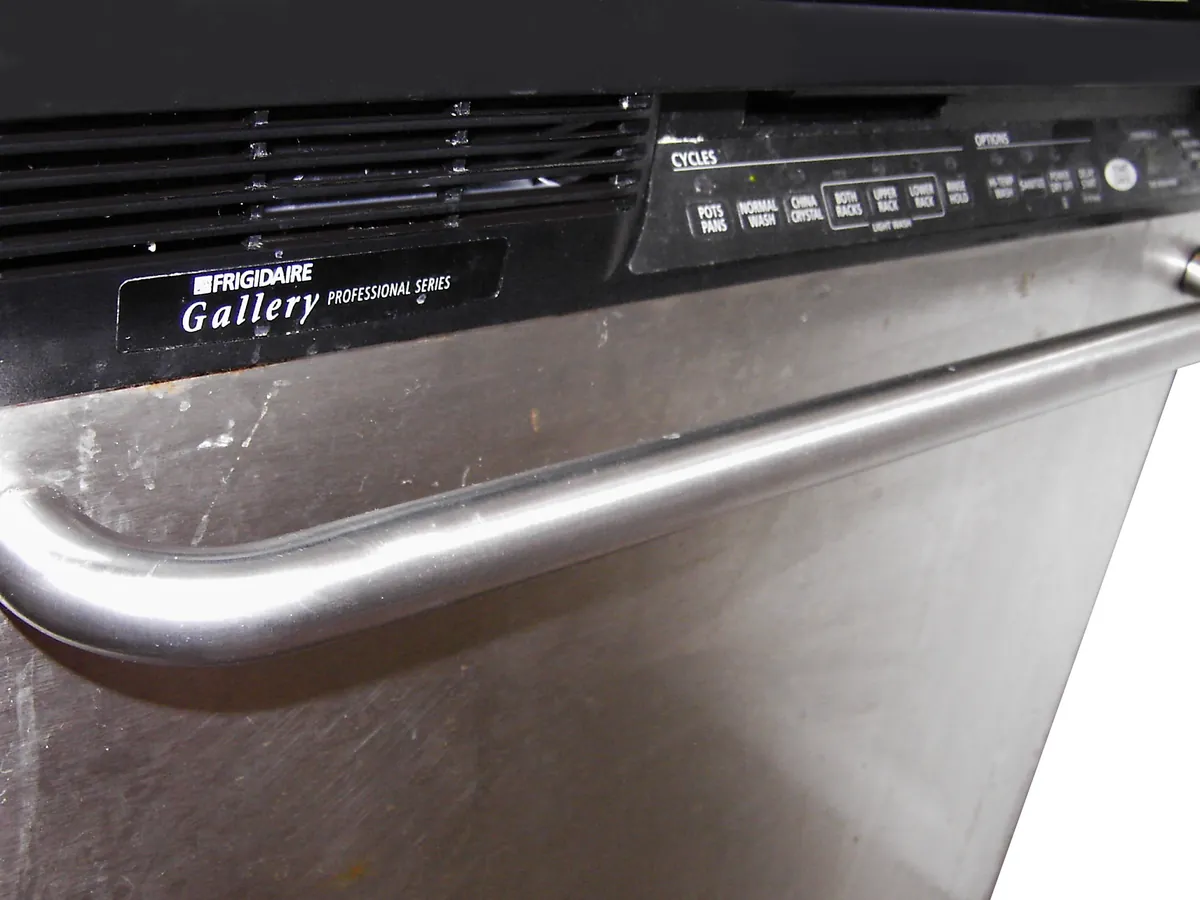
Standing water, cloudy glasses, leaks at the door and racks that come out wet.
More on Dishwasher Repair →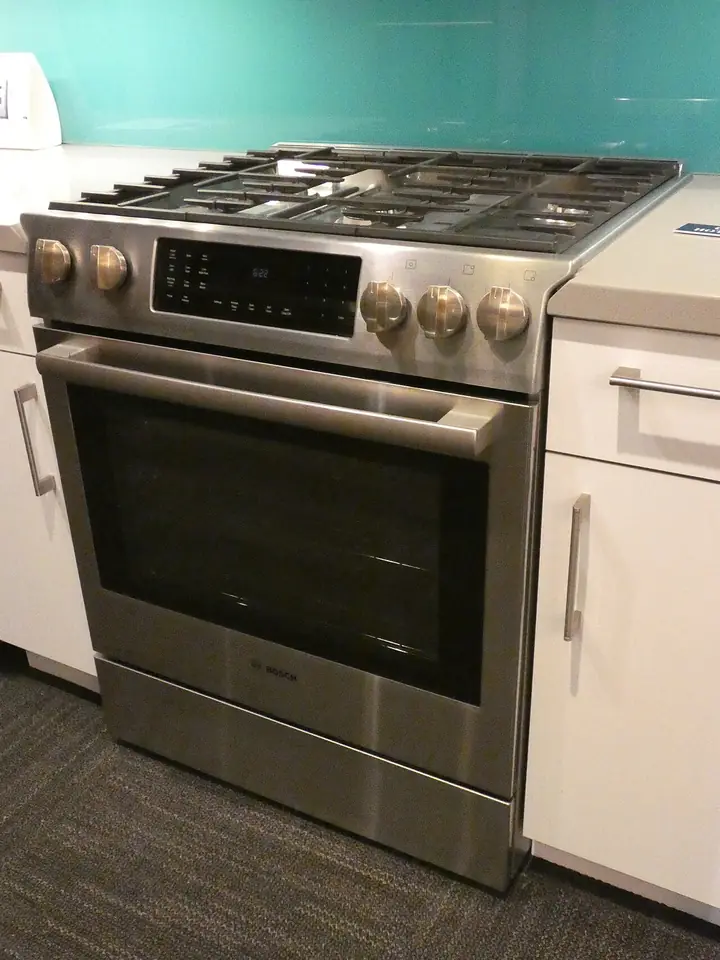
Ovens that run cold or hot, igniters that click without lighting, and dead surface burners.
More on Oven and Stove Repair →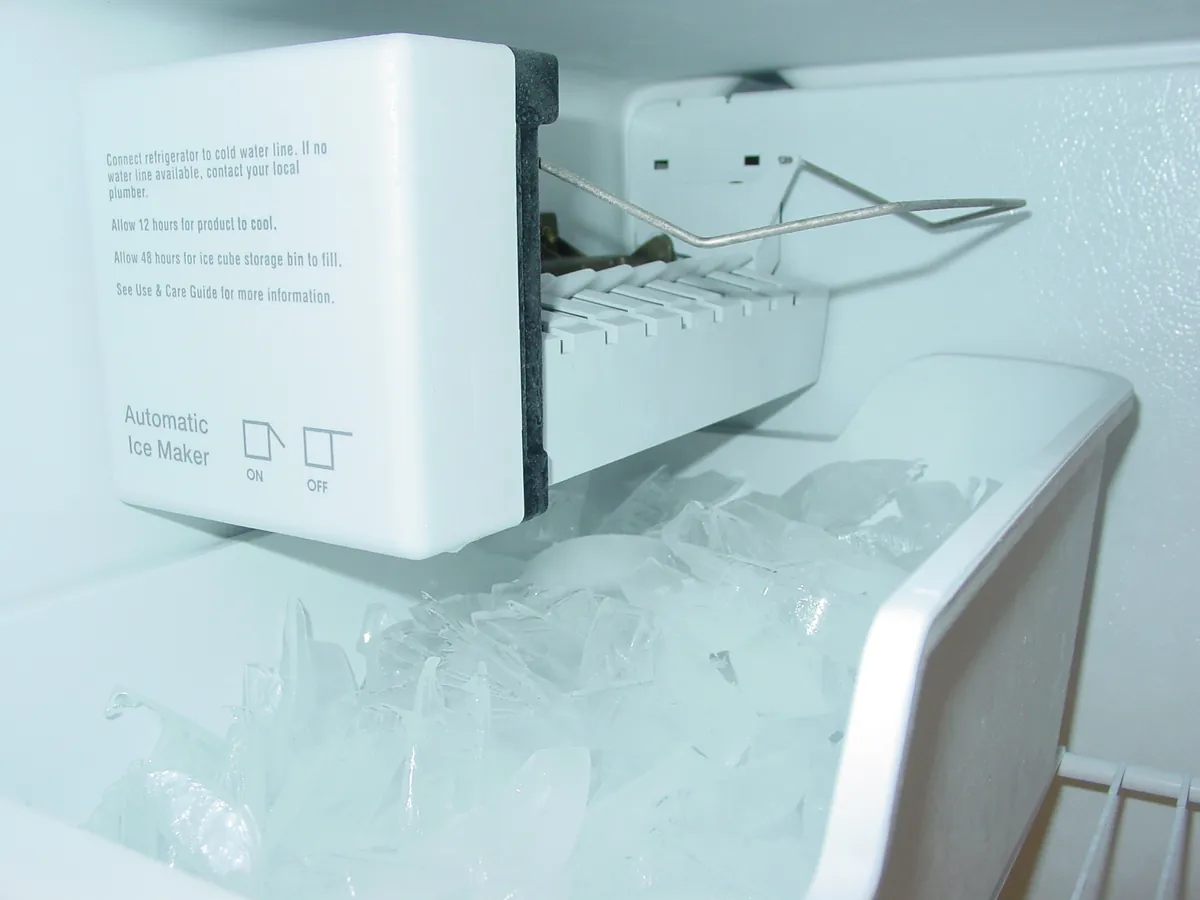
Built-in and freezer ice makers that stop filling, freeze up, leak or make hollow cubes.
More on Ice Maker Repair →