
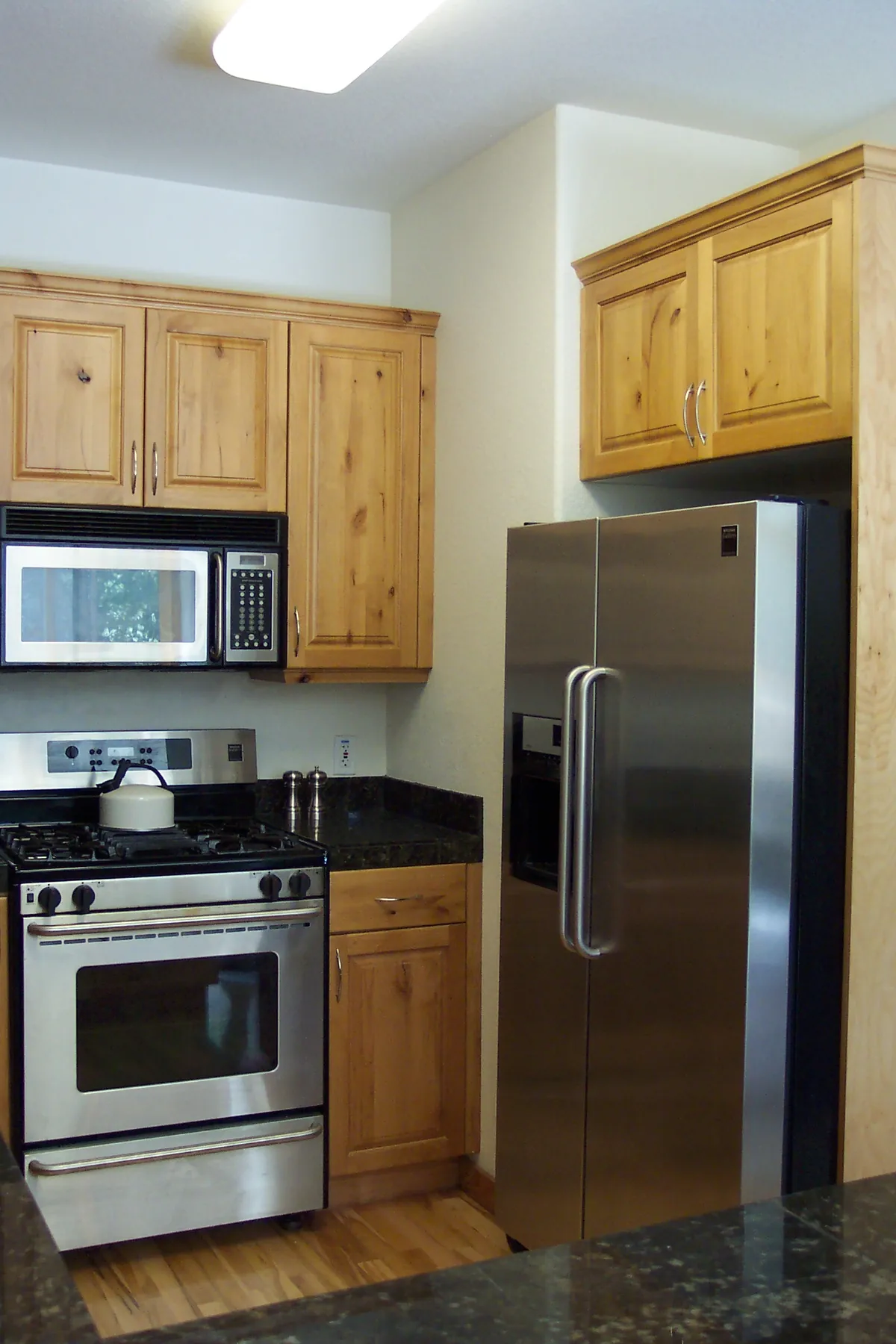
Refrigerator Repair
Warm sections, frost walls, leaks and noisy fans on top-freezer, side-by-side and built-in units.
More on Refrigerator Repair →Kailua has 14,672 homes, and about three in four are detached houses facing the northeast trades, which blow roughly 80 to 95 percent of the time from May to September. Here is what that means for a fridge, washer or dryer on this side of the island.
All of the 96734 ZIP area, from the beach streets to the valley. The notes below cover what changes from one part to the next.
The first homes the trade-wind spray reaches, so stainless doors and lanai units show pitting soonest.
Oceanfront streets inside the windward coast's heavy salt band, the hardest spot for an outdoor fridge.
Mostly detached houses, many from before 1970, with original supply valves and outlets still in service.
Inland valley homes farther from the surf. Salt drops with distance; the damp does not.
On-base housing repairs usually run through the housing operator rather than the resident.
Because salt, damp air and older houses all stack up here at once. A University of Hawaii chloride study ranked the windward coast among the two heaviest salt-deposition shores on Oahu, with the northeast trades carrying it in. Humidity in the windward lowlands typically sits between 70 and 80 percent, past the 60 percent mark where corrosion slows. And 60 percent of Kailua homes were built before 1970, so many kitchens and laundry corners were laid out for older machines. A fridge or washer on an open lanai faces all three. Sub-Zero itself says some rust may not be preventable in coastal homes, so corrosion gets noted on every visit.
Steady northeast wind pushes salt spray onto the shore day after day.
Rain returns, and a closed, wet front-loader dries slowly in the damp.
Southerly winds replace the trades for a while, and the breeze that dries a laundry room drops off.
The six machines island kitchens and laundry rooms lean on hardest, each with its own page on causes, parts and cost.
Warm sections, frost walls, leaks and noisy fans on top-freezer, side-by-side and built-in units.
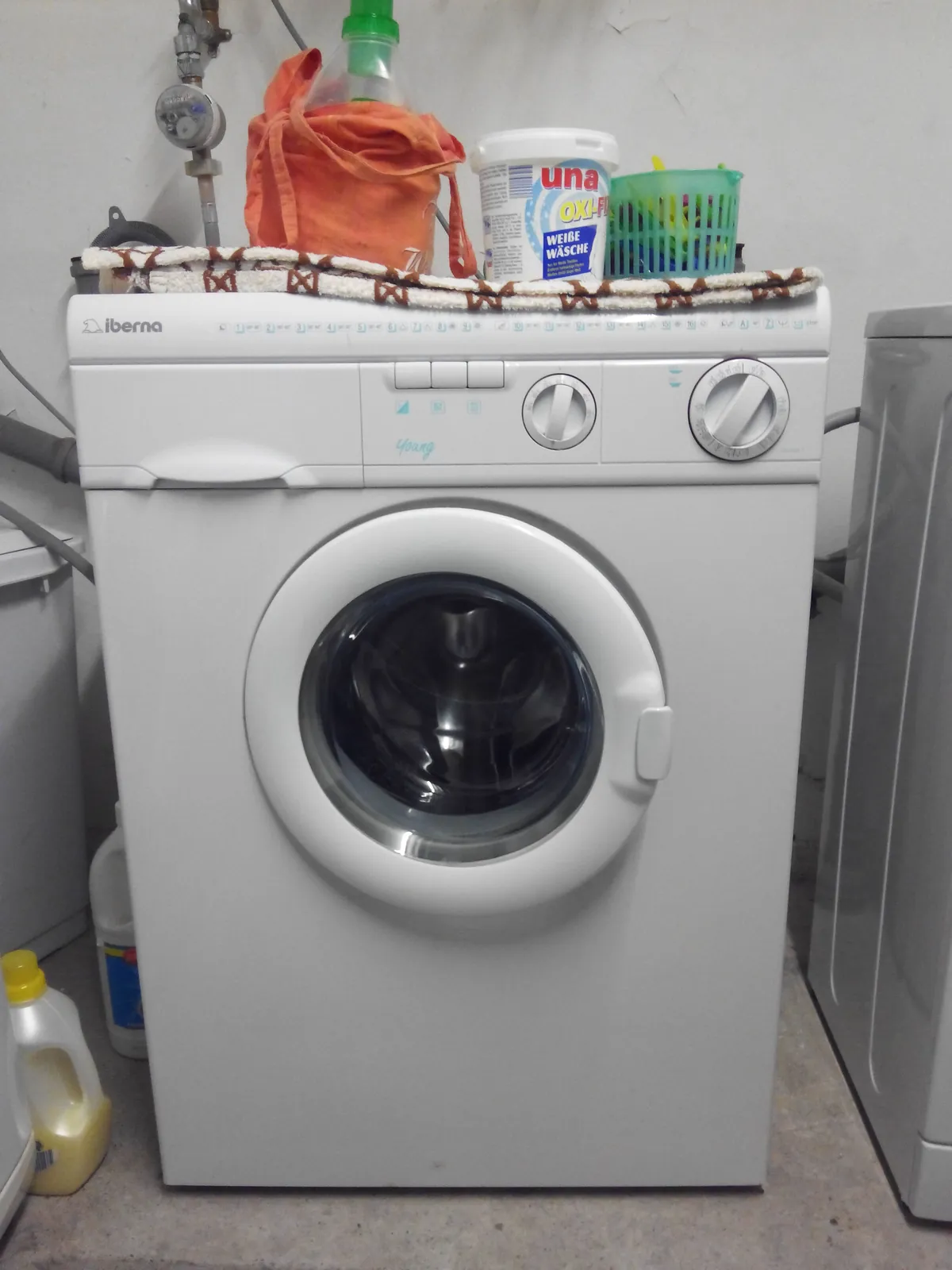
More on Refrigerator Repair →Top-load and front-load washers that will not drain, spin, fill or stop walking across the floor.
More on Washer Repair →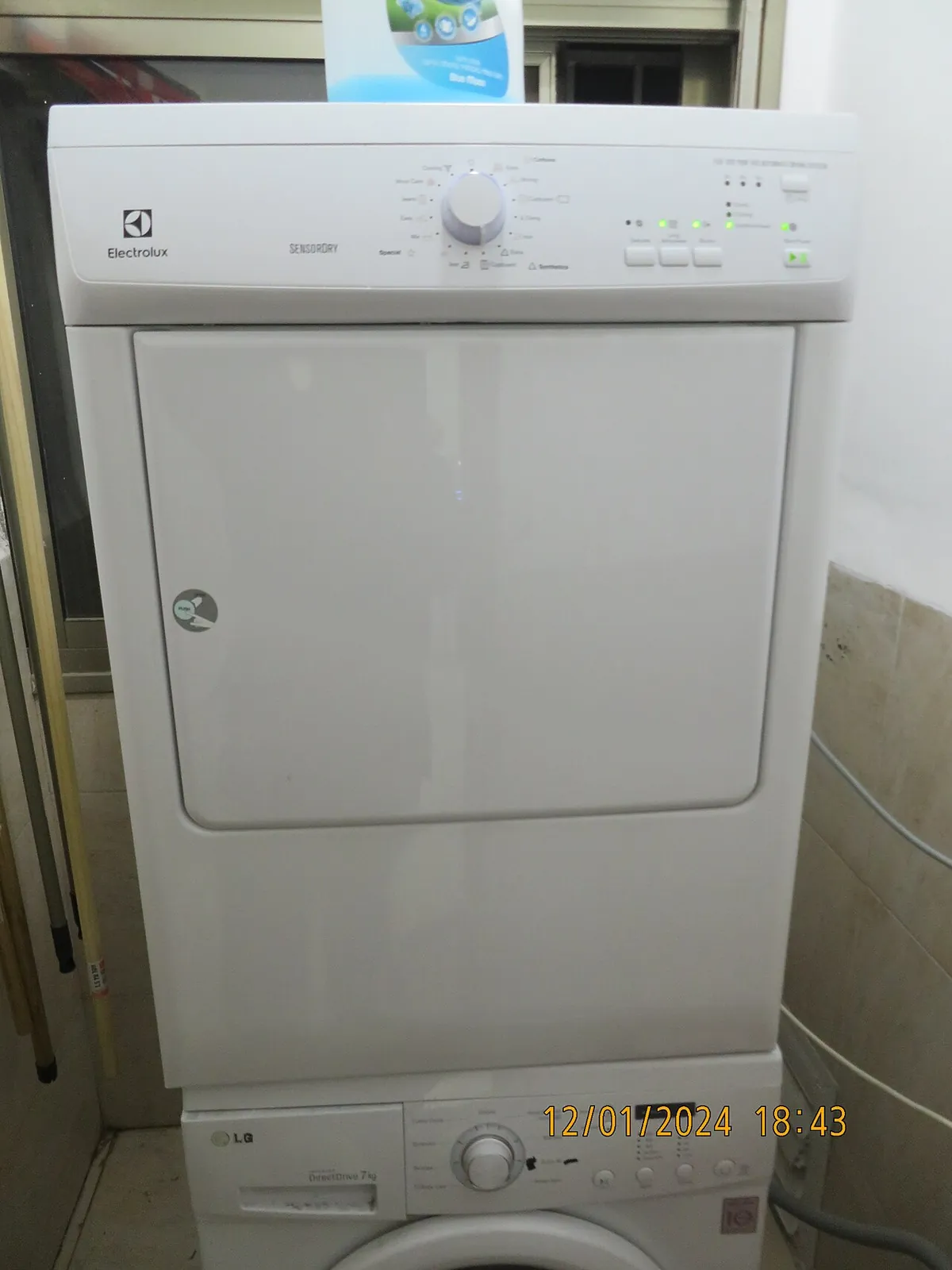
Gas and electric dryers that tumble cold, squeal, stop mid-cycle or never start at all.
More on Dryer Repair →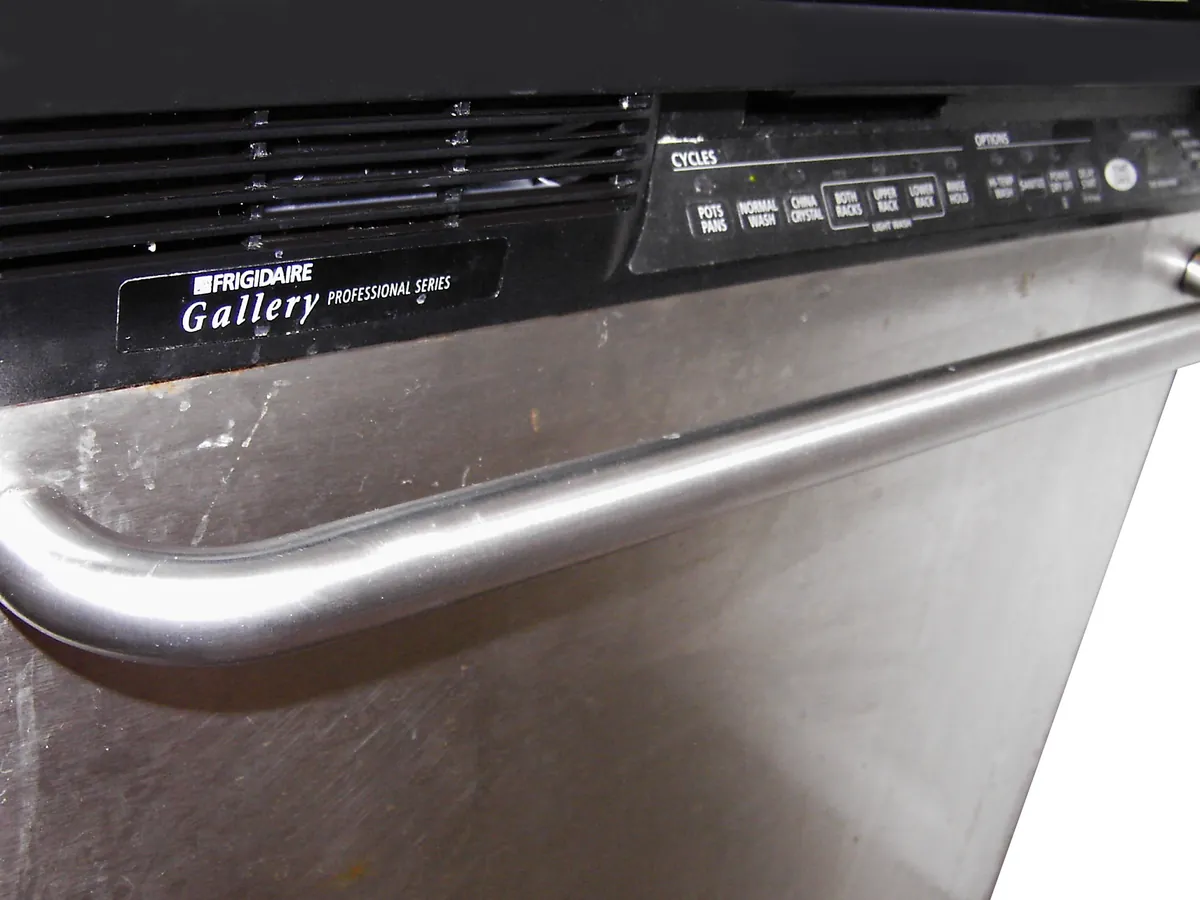
Standing water, cloudy glasses, leaks at the door and racks that come out wet.
More on Dishwasher Repair →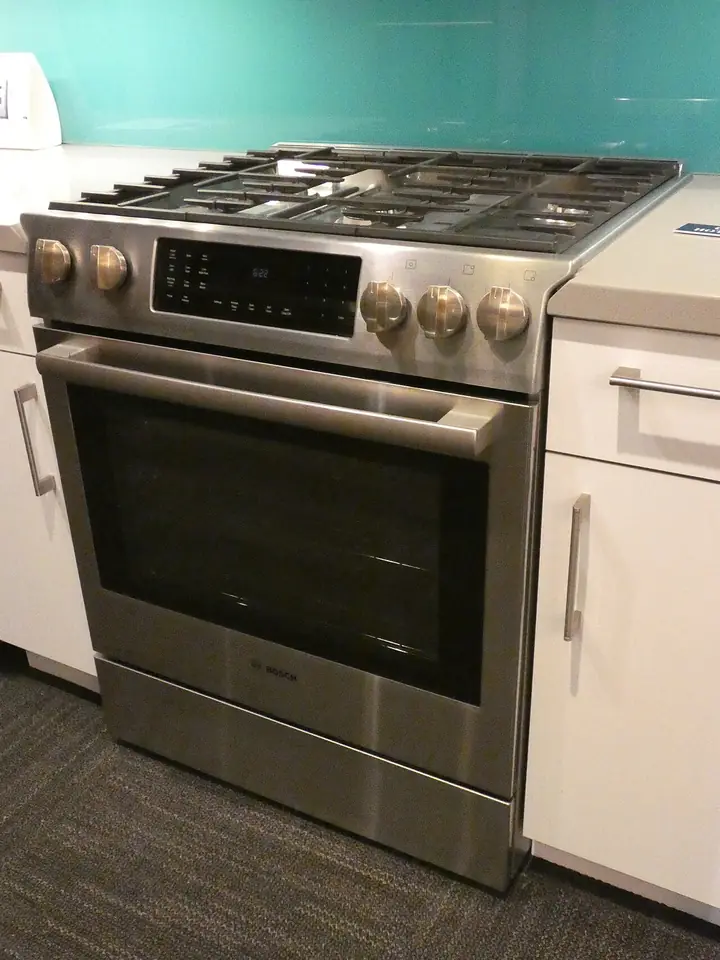
Ovens that run cold or hot, igniters that click without lighting, and dead surface burners.
More on Oven and Stove Repair →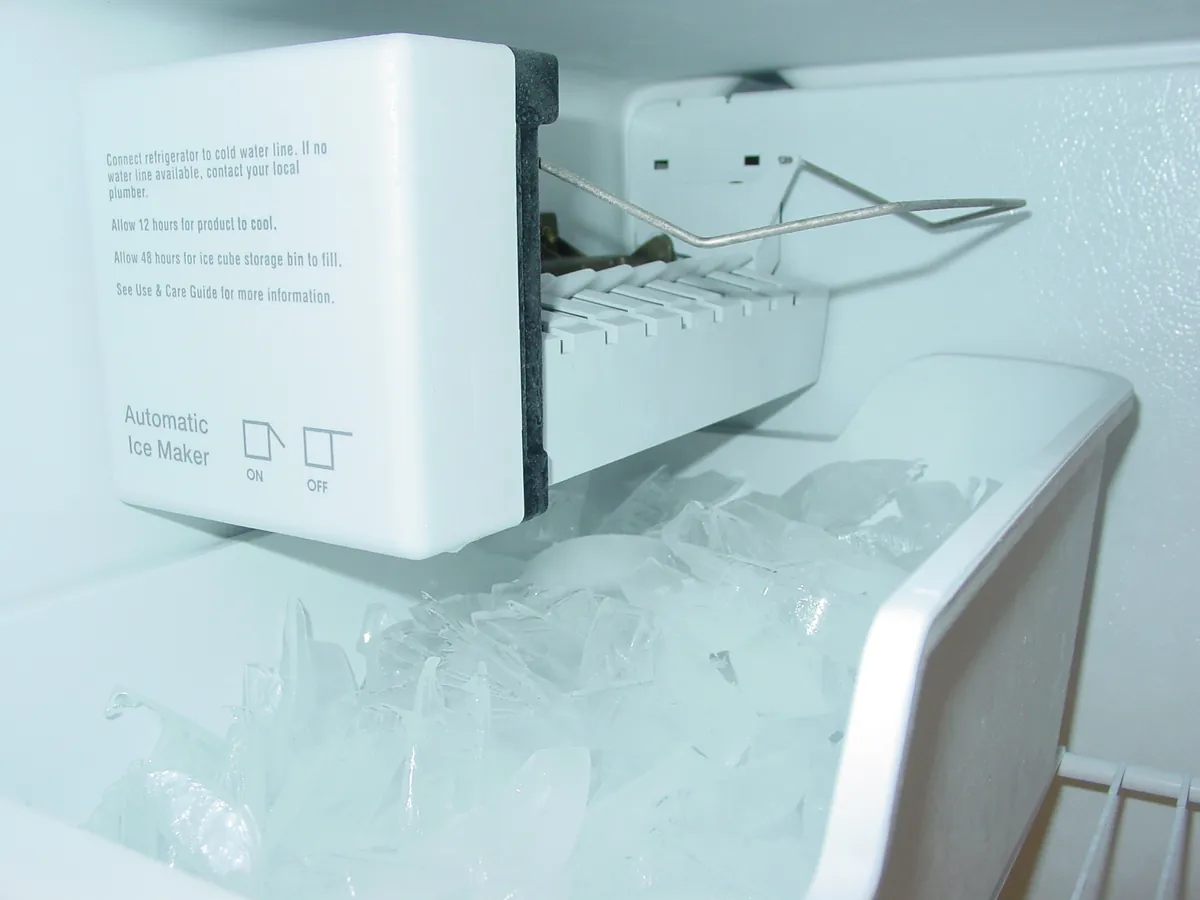
Built-in and freezer ice makers that stop filling, freeze up, leak or make hollow cubes.
More on Ice Maker Repair →Three homes in five on this side of the Pali were built before 1970, and only 9 percent date from 2000 or later. That age shows up behind the machines. Supply valves that have not been turned in decades, laundry corners sized for an older washer, and outlets placed for appliances long gone are all routine finds. A new part works best on a sound connection, so those get looked at before anything is ordered.
Most of these homes are owner-occupied, about one in four rented, and only 8 percent are in large 20-plus-unit buildings. So condo boards rarely enter the picture, and the owner can usually approve the estimate in person. Service families are part of the mix too. Census figures make this the main windward pocket of off-base military households, close to the Marine Corps base on the bay.
Source: Hawaii State Data Center workbook of ACS 2019-2023 figures for the Kailua CDP
Up the coast, Kaneohe and Kahaluu are next; Waimanalo is just south. Over the Koolau range, visits go on to town, the central plateau, the Ewa plain, the Waianae coast and the North Shore.