
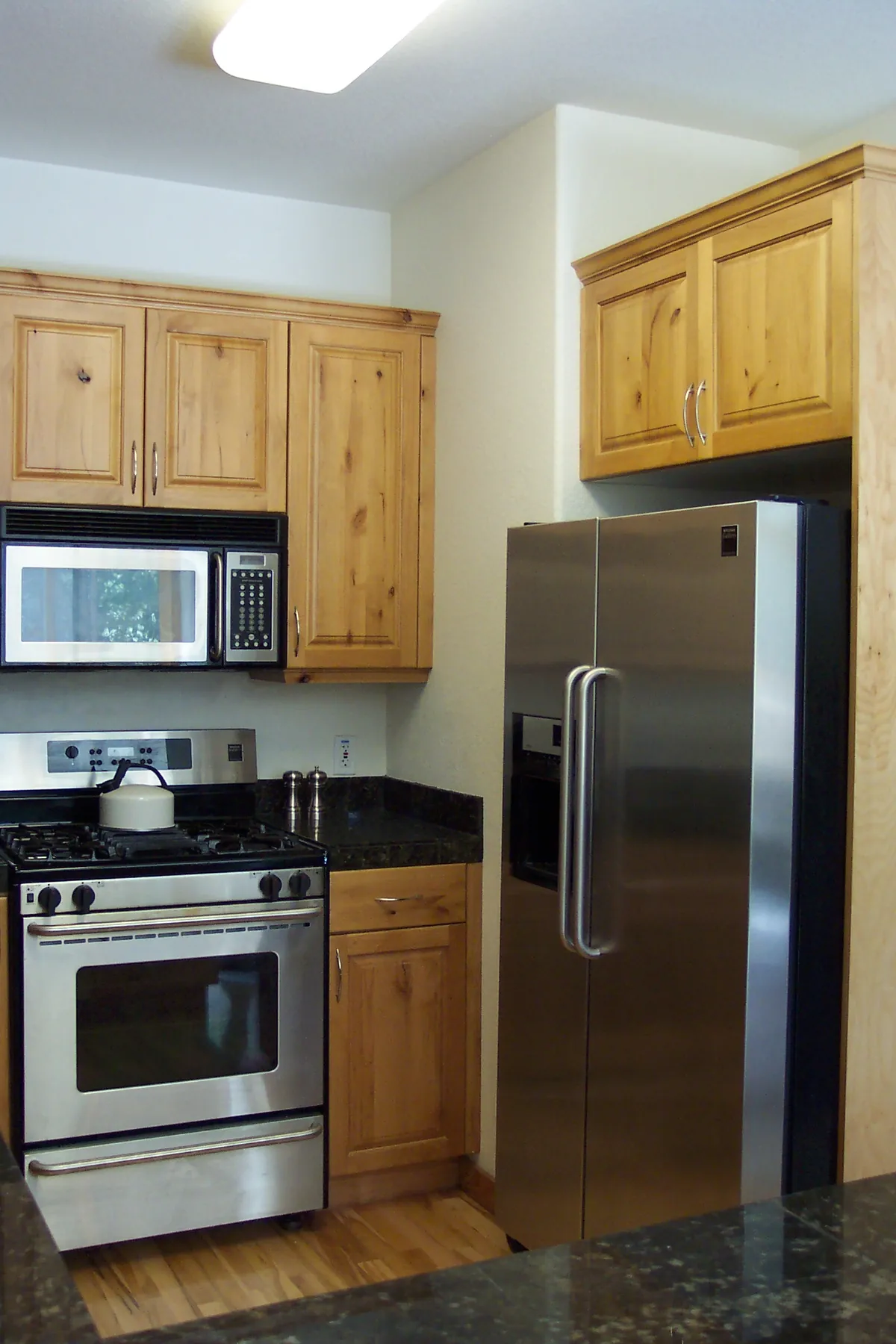
Refrigerator Repair
Warm sections, frost walls, leaks and noisy fans on top-freezer, side-by-side and built-in units.
More on Refrigerator Repair →About 39 percent of Hawaii homes ran two or more refrigerators in 2020, against 34 percent nationally. Kitchen fridge or spare, a Honolulu repair visit starts with the symptom: warm milk, a frost wall, a puddle.
Sources: DOE refrigerator rule, Federal Register 2024; ENERGY STAR refrigerators
Because most Honolulu refrigerators sit in warm, damp kitchens all year. In 2020 only about one Hawaii home in eight used central air conditioning, so the cabinet fights room heat and humidity that a mainland unit meets mainly in summer. That shows up as long compressor runs, sweat on the door frame and frost wherever humid air slips past a tired gasket. Many fridges carry small anti-sweat heaters for exactly this, and in a home that stays humid the Energy Saver switch that turns them off is best left off. Power is the other pressure. Hawaii paid 48.00 cents per kWh in July 2026, against 18.31 cents nationally.
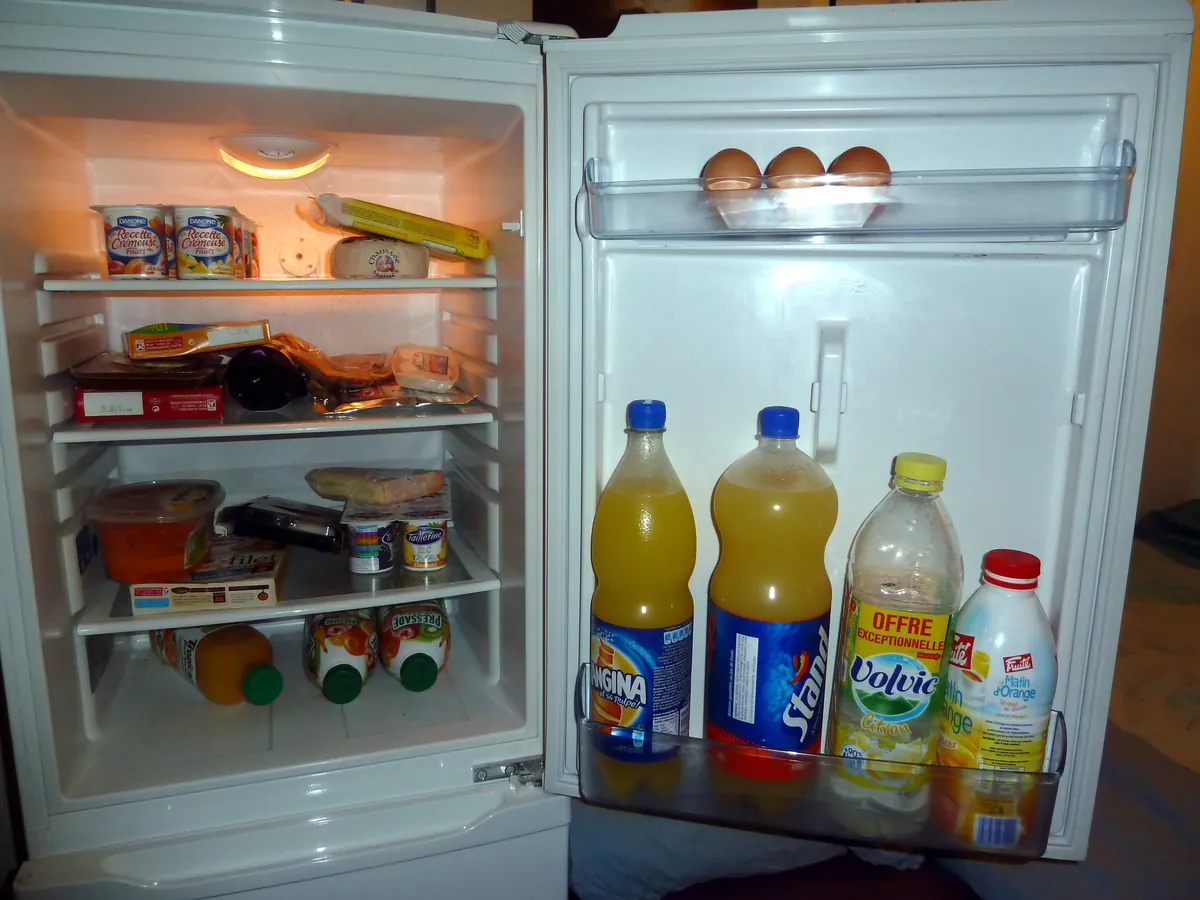
The six below do, because each points at a part that has stopped working. Plenty of fridge noise is normal: a gurgle as refrigerant moves, a red glow during defrost, clicks for a few minutes after a power cut.
Cold air is made in the freezer and blown down through vents. A dead evaporator fan or a stuck damper starves the lower section. See refrigerator not cooling.
Heavy frost on a frost-free model means the defrost heater, its control or the timer has quit.
Melt water should drain to a pan under the cabinet. Ice on the freezer floor means the defrost drain has clogged.
Water behind the cabinet points to the inlet valve or the supply line. A valve stuck open can flood a floor.
A sound like a card in bicycle spokes is something hitting the condenser fan, or a freezer fan blade striking ice.
After ruling out demo mode, suspect a failed temperature control, start relay, overload or the compressor itself.
Call with the brand, the model and serial number, and what changed. Leave the fridge plugged in so the fault is still there to diagnose.
Settings and modes first, then door seals and airflow, then the fans, defrost parts and controls. You get a written estimate before any part is ordered.
Many refrigerator parts still reach Honolulu from the mainland by ship or air. The estimate says plainly whether the repair needs a second trip. More on parts lead time.
A repaired cabinet needs hours to pull down. Wait at least 24 hours before changing a setting, and judge by the food, not the air.
Usually one of five non-sealed parts, each with its own tell. Here is what each one does and what you can safely check first.
| Part | What it does | How it fails | Owner check | Who fixes it |
|---|---|---|---|---|
| Evaporator fan | Pushes freezer air into the fresh-food side | Quiet freezer, warm lower section | Keep food 2 inches off the vents | Technician |
| Defrost heater | Melts coil frost on a schedule | Frost wall, weak airflow | None beyond spotting it | Technician |
| Damper | Meters cold air between sections | Too warm or freezing food | Warm the control one step | Technician if it persists |
| Water inlet valve | Feeds the dispenser and ice maker | Sticks open, leaks behind | Close the supply valve | Technician |
| Door gasket | Seals the cabinet | Sweat, frost at the opening | Dollar-bill drag test, clean the seal | Owner or technician |
A refrigerator call is mostly detective work, and long compressor run time on its own is not a fault. If the power, settings, door closure and leveling all check out, the fault usually sits in the fans, the defrost system, the controls or the water parts, and those are repairable on almost any brand. The sealed system, meaning the compressor, coils and refrigerant, is the costly end. You hear that before you spend anything. Brand quirks have their own pages: Samsung refrigerators, LG refrigerators, Whirlpool refrigerators and Sub-Zero built-ins.
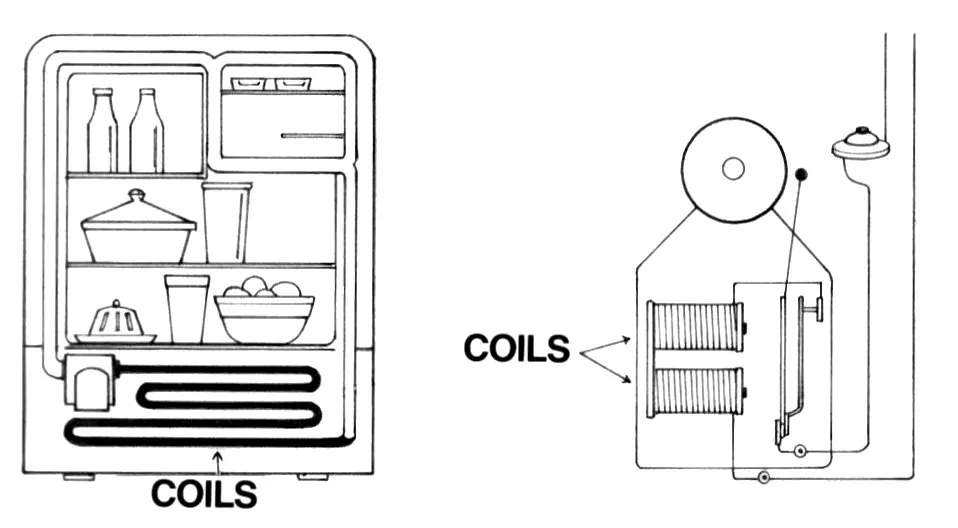
The six machines island kitchens and laundry rooms lean on hardest, each with its own page on causes, parts and cost.
Warm sections, frost walls, leaks and noisy fans on top-freezer, side-by-side and built-in units.
More on Refrigerator Repair →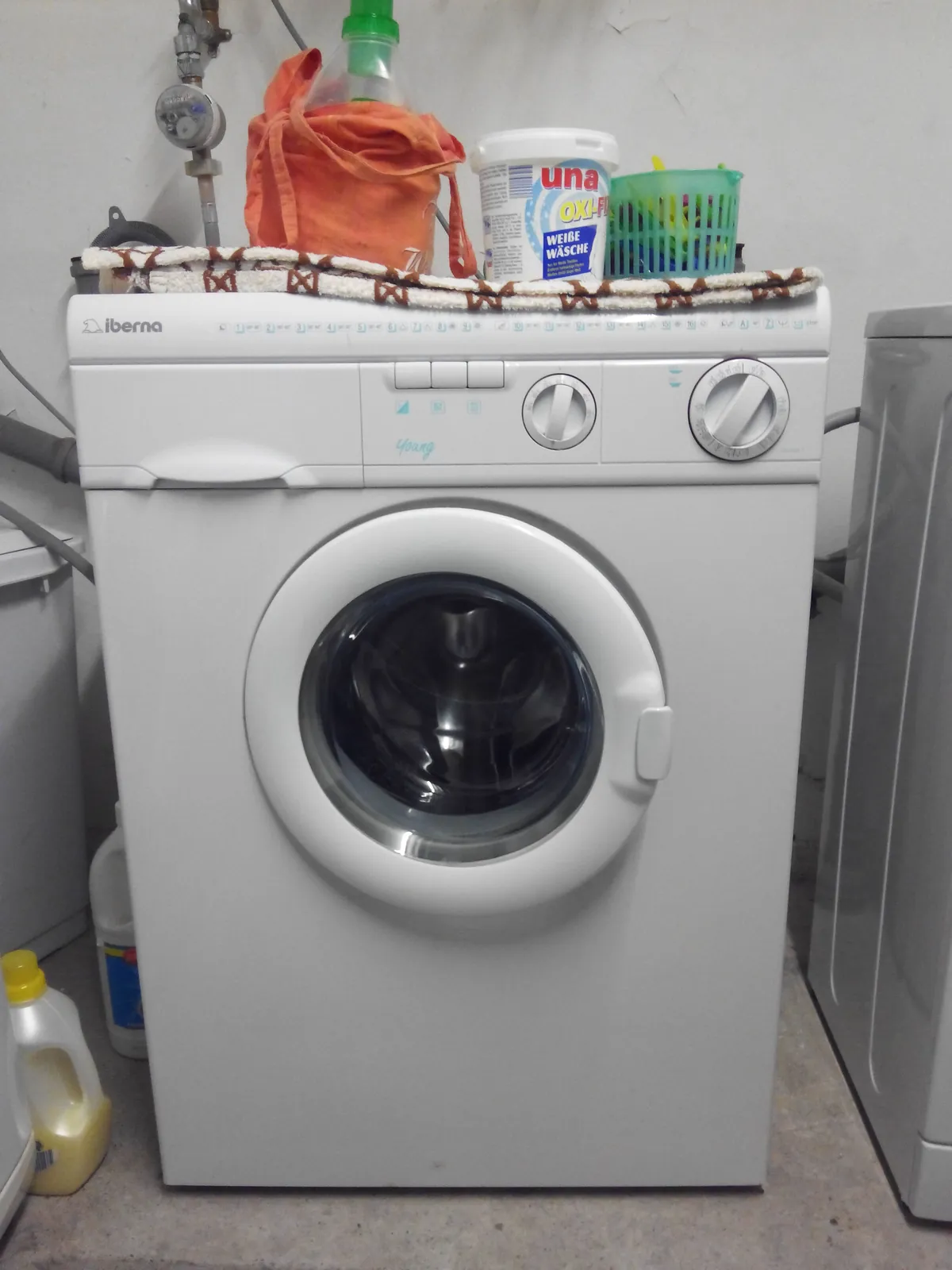
Top-load and front-load washers that will not drain, spin, fill or stop walking across the floor.
More on Washer Repair →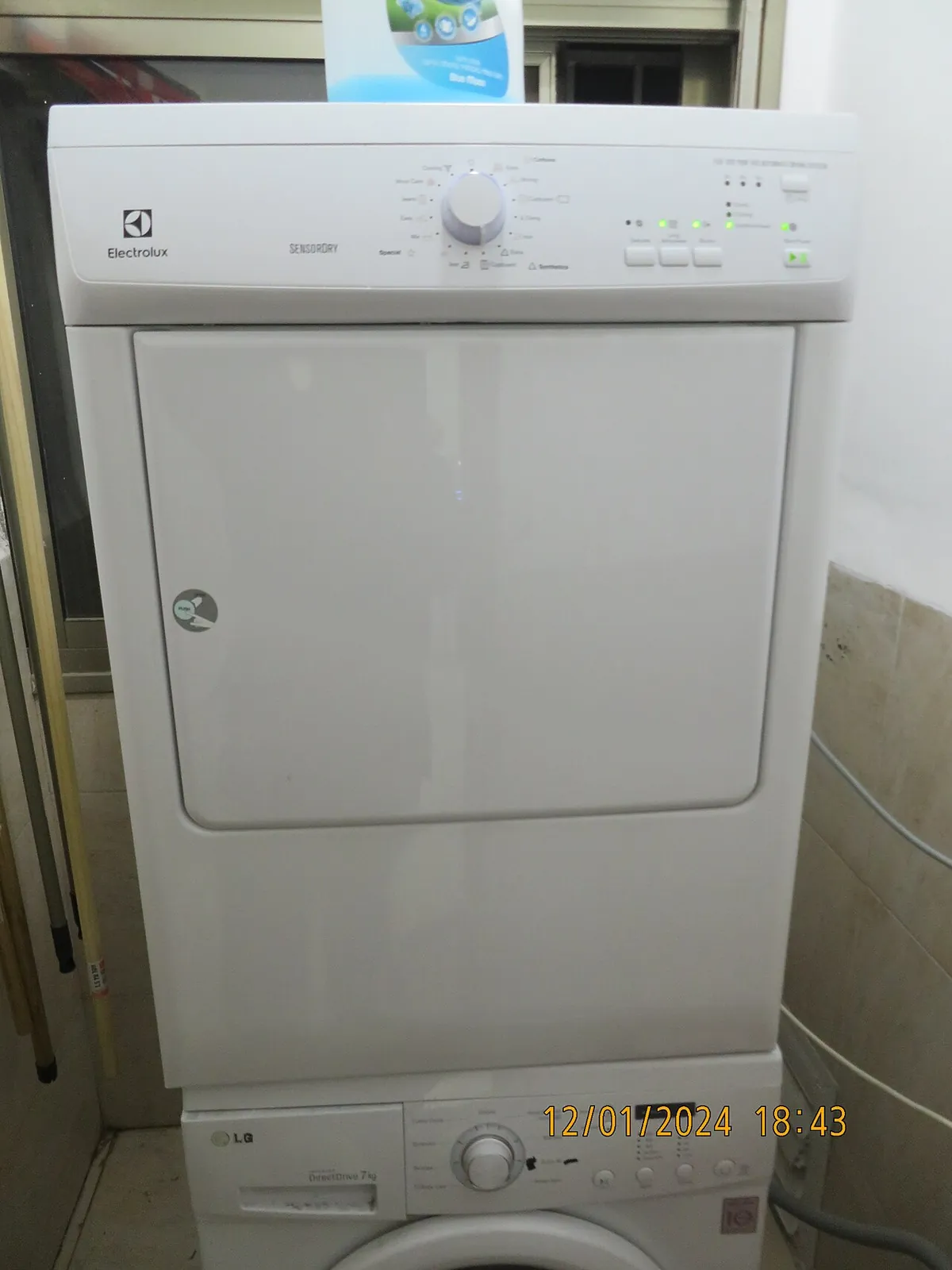
Gas and electric dryers that tumble cold, squeal, stop mid-cycle or never start at all.
More on Dryer Repair →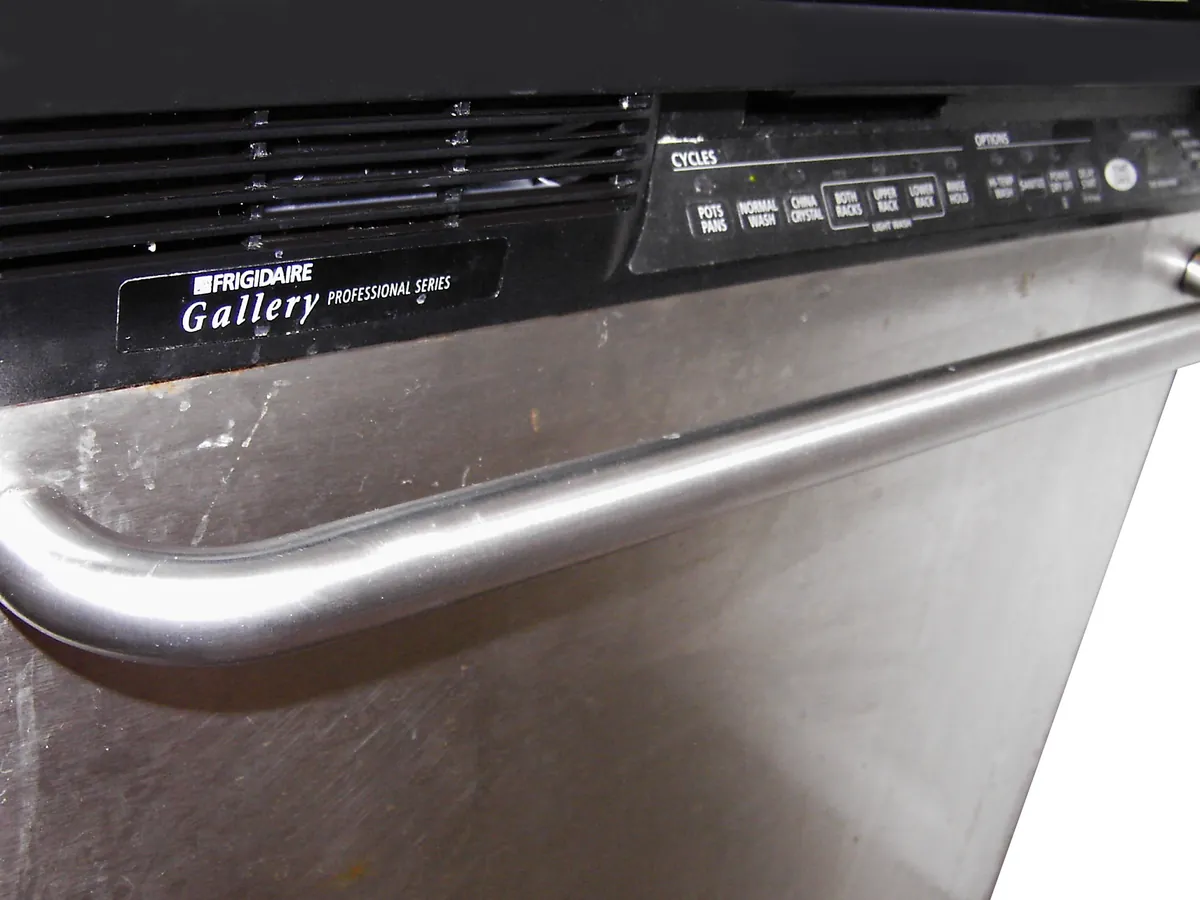
Standing water, cloudy glasses, leaks at the door and racks that come out wet.
More on Dishwasher Repair →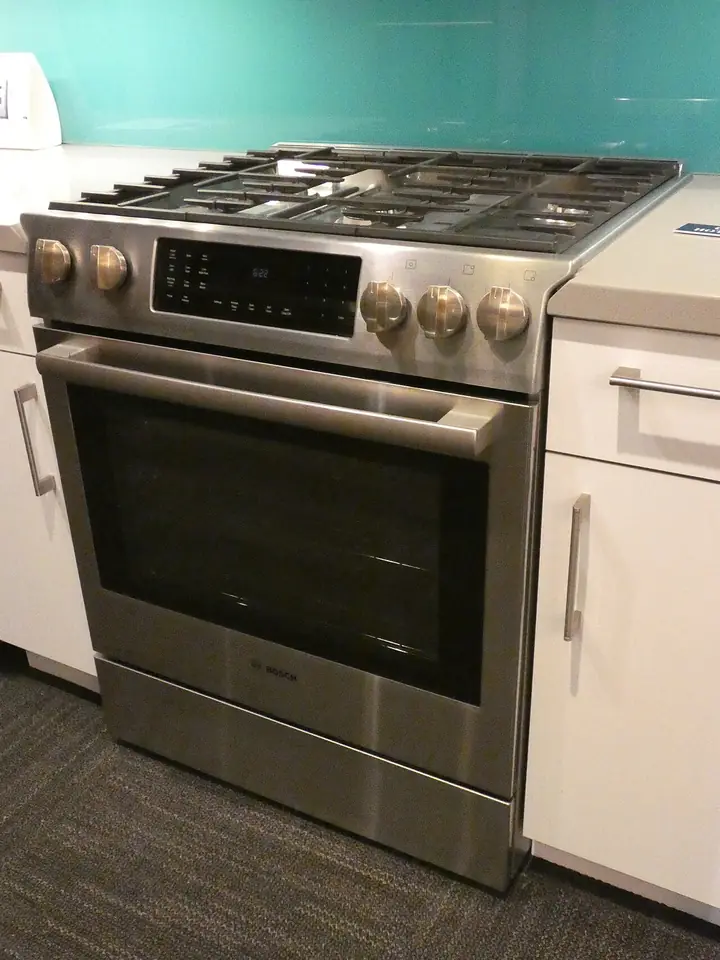
Ovens that run cold or hot, igniters that click without lighting, and dead surface burners.
More on Oven and Stove Repair →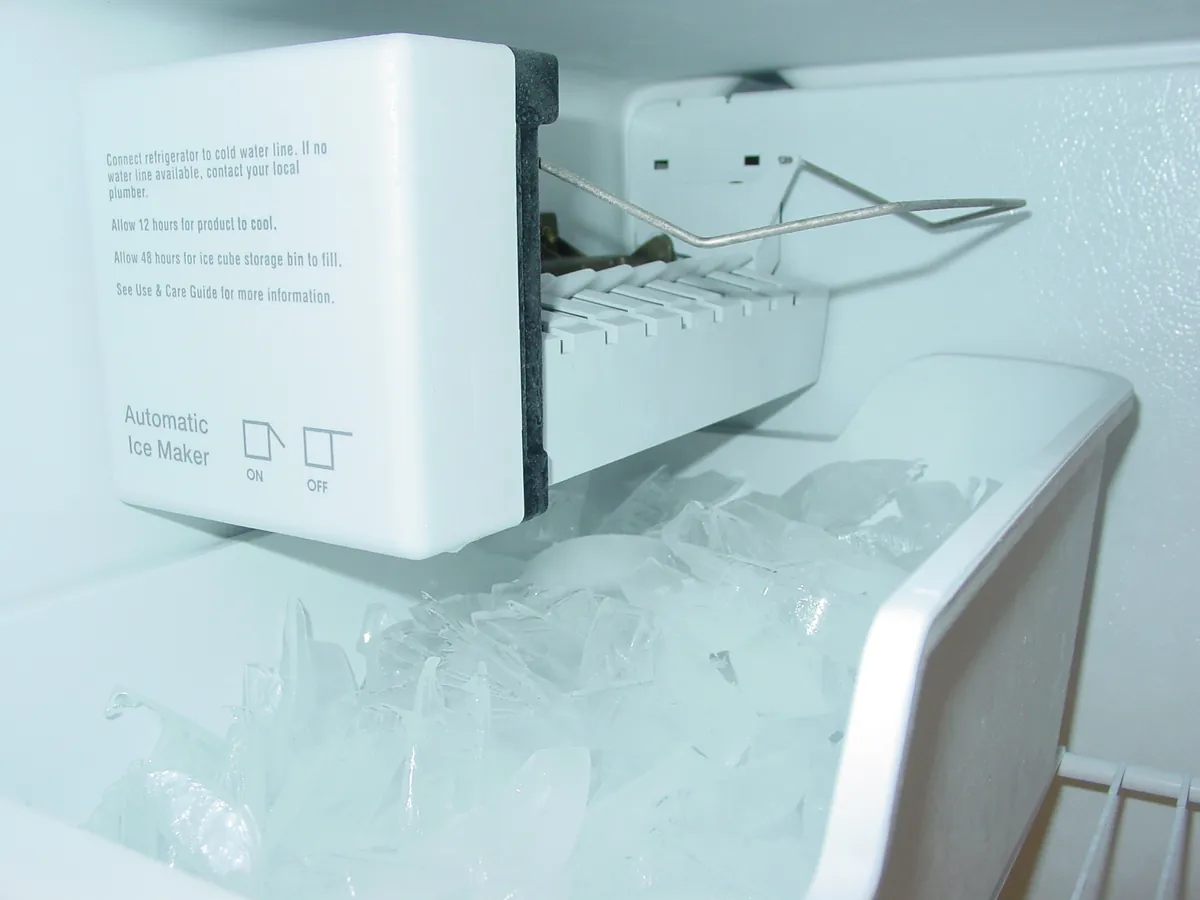
Built-in and freezer ice makers that stop filling, freeze up, leak or make hollow cubes.
More on Ice Maker Repair →