
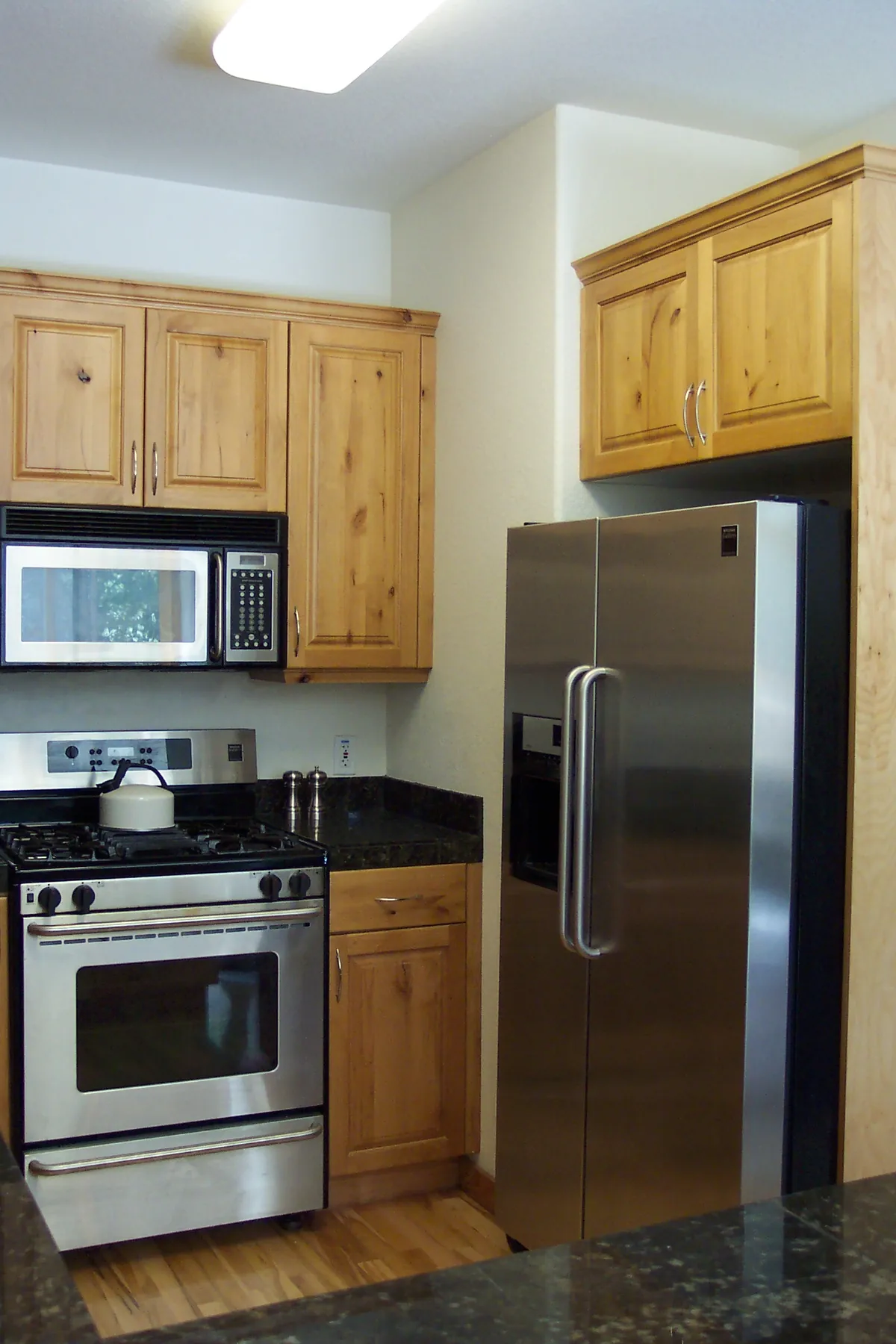
Refrigerator Repair
Warm sections, frost walls, leaks and noisy fans on top-freezer, side-by-side and built-in units.
More on Refrigerator Repair →In the census tract that covers Kahala, 236 homes, about 13 percent, are held for seasonal or occasional use. A fridge, ice maker or washer that sits idle for weeks fails in its own ways, and a leak can run with nobody home.
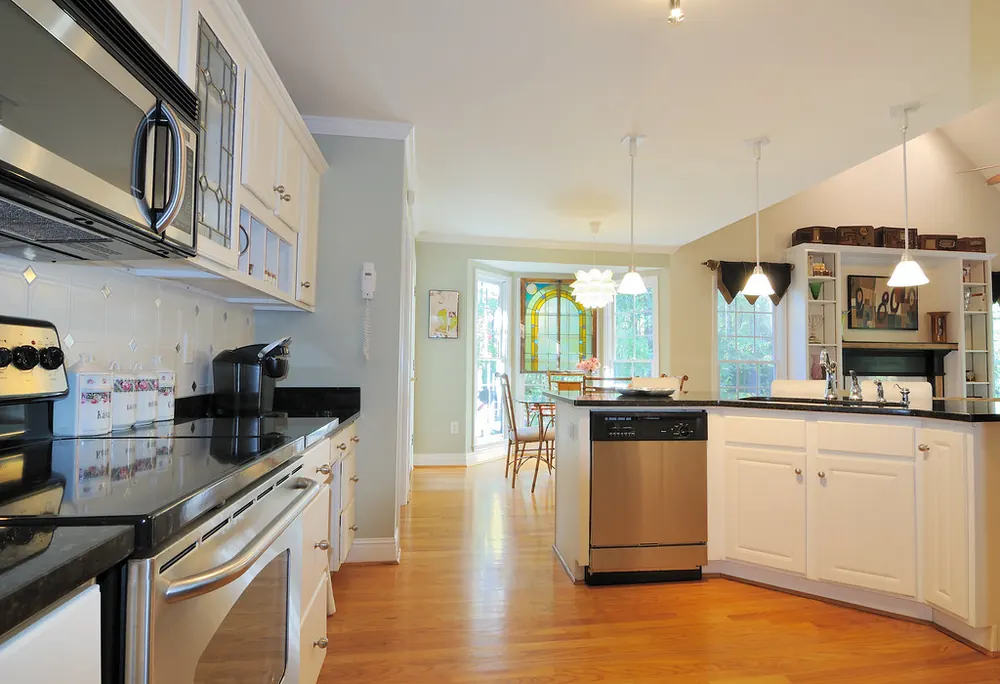
Visits go to the whole neighborhood board area, which runs from Wiliwilinui Ridge west to the Diamond Head crater rim. The cards show how its parts differ.
Census Tract 5, the board's Subdistrict 3, where three units in four are detached houses.
About one unit in six sits in a building of 20 or more units, where house rules set work hours.
The eastern edge of the board area, up past the Waialae Golf Course boundary.
The western end, out to the crater rim and 18th Avenue.
Shut the valves to the washer and to the fridge's ice maker before a long absence; GE notes that a refrigerator's water inlet valve can stick open and flood. Leave the fridge running if food stays in it, and swap the water filter on your return if it is past the roughly 6-month interval Whirlpool, GE and Samsung give. A dryer may thump for a few loads, since its drum rollers can take a flat spot after weeks of disuse. Any water found on return should be dried within 24 to 48 hours, EPA says, before mold starts.
These homes need a different visit because the houses are big, mostly mid-century, and not always lived in. In Census Tract 5, half of all units have four or more bedrooms, the median home has 6.5 rooms, and 58 percent date from before 1970 (Census ACS 2020-2024). Statewide, 39 percent of Hawaii homes run two or more refrigerators, against 34 percent nationally, and a large house is where the extra one tends to live. Then add the 24 percent of units that stood vacant when surveyed. A home closed through a summer can greet its owner with a dripping ice maker line, a warm freezer or a dryer that thumps on its first load.
The six machines island kitchens and laundry rooms lean on hardest, each with its own page on causes, parts and cost.
Warm sections, frost walls, leaks and noisy fans on top-freezer, side-by-side and built-in units.
More on Refrigerator Repair →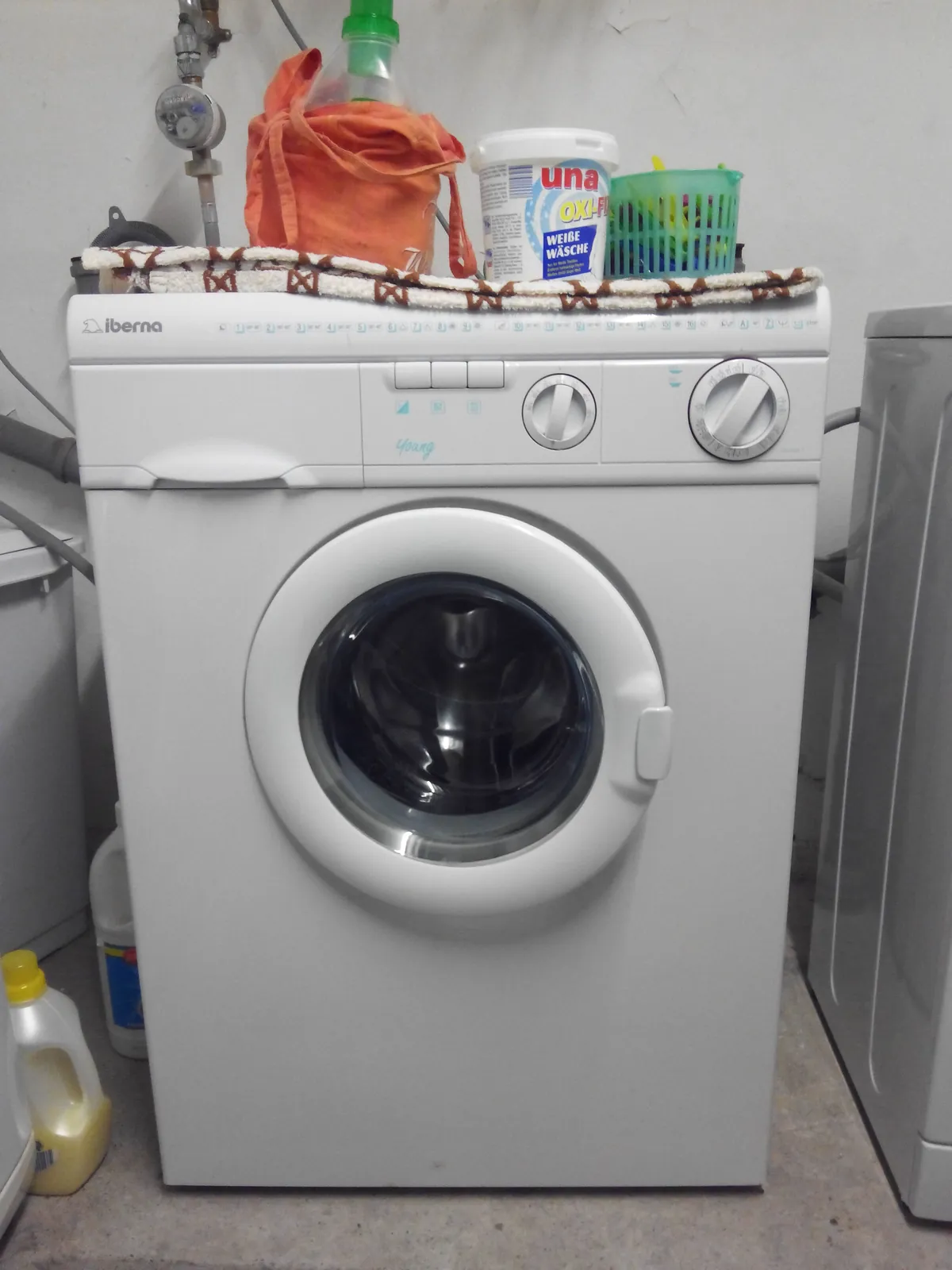
Top-load and front-load washers that will not drain, spin, fill or stop walking across the floor.
More on Washer Repair →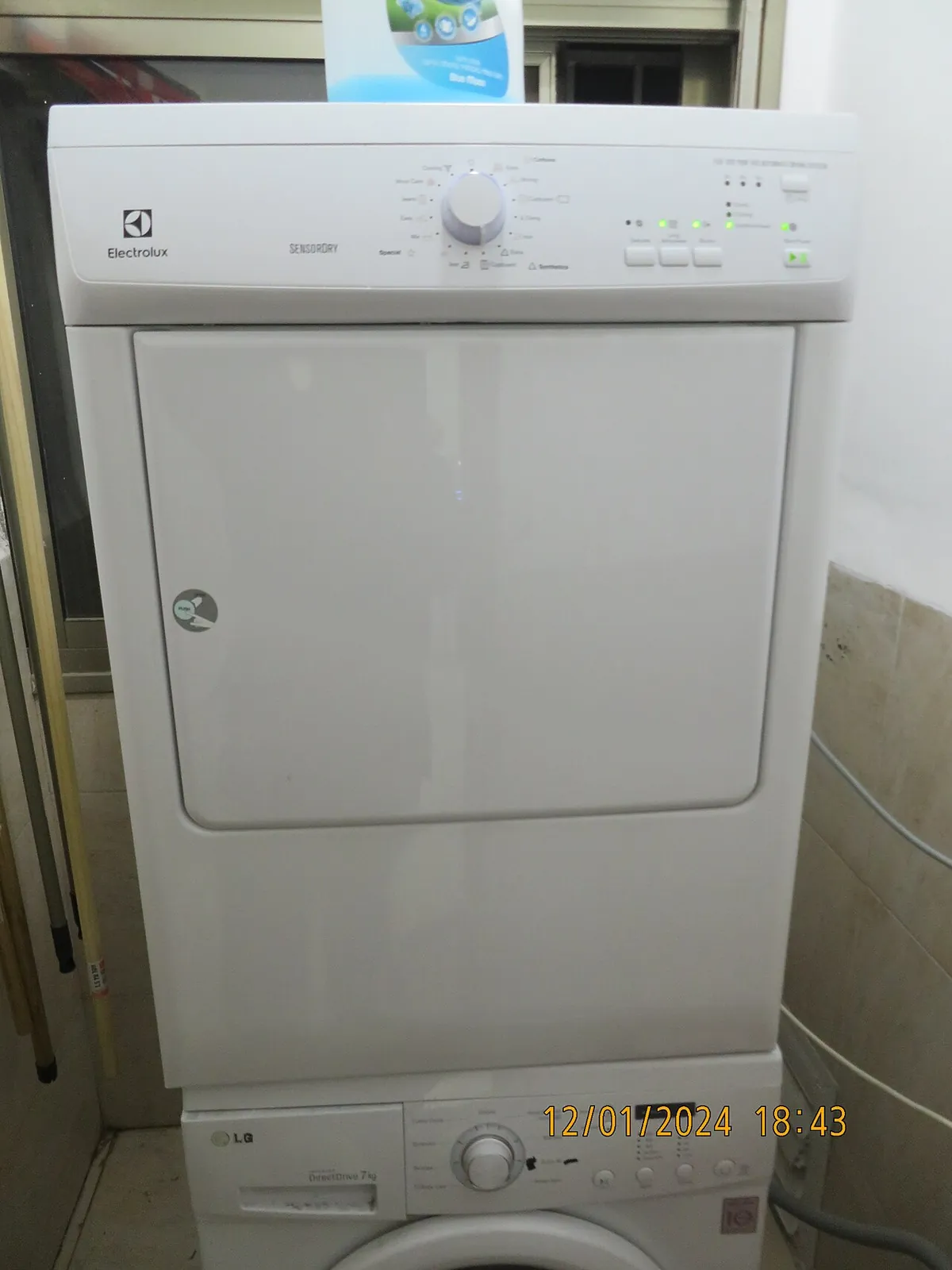
Gas and electric dryers that tumble cold, squeal, stop mid-cycle or never start at all.
More on Dryer Repair →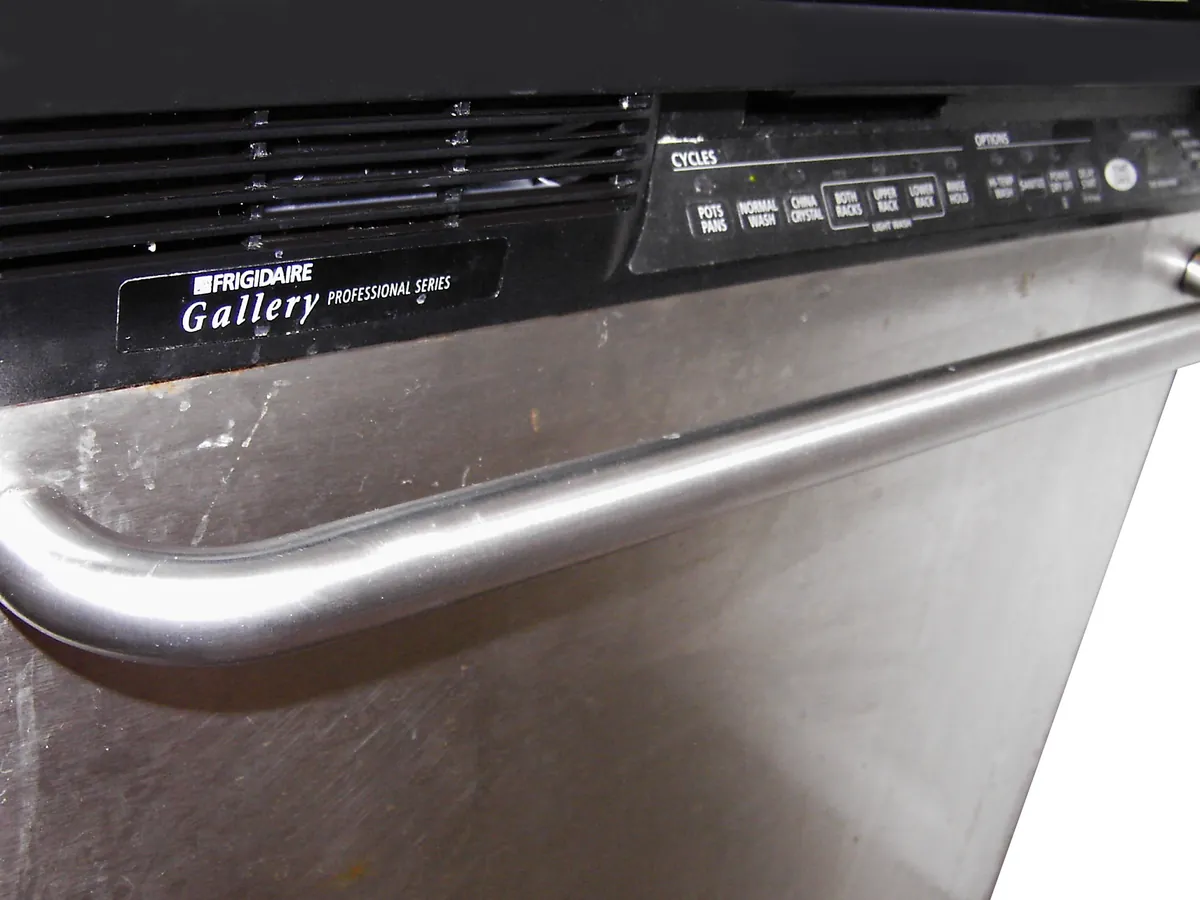
Standing water, cloudy glasses, leaks at the door and racks that come out wet.
More on Dishwasher Repair →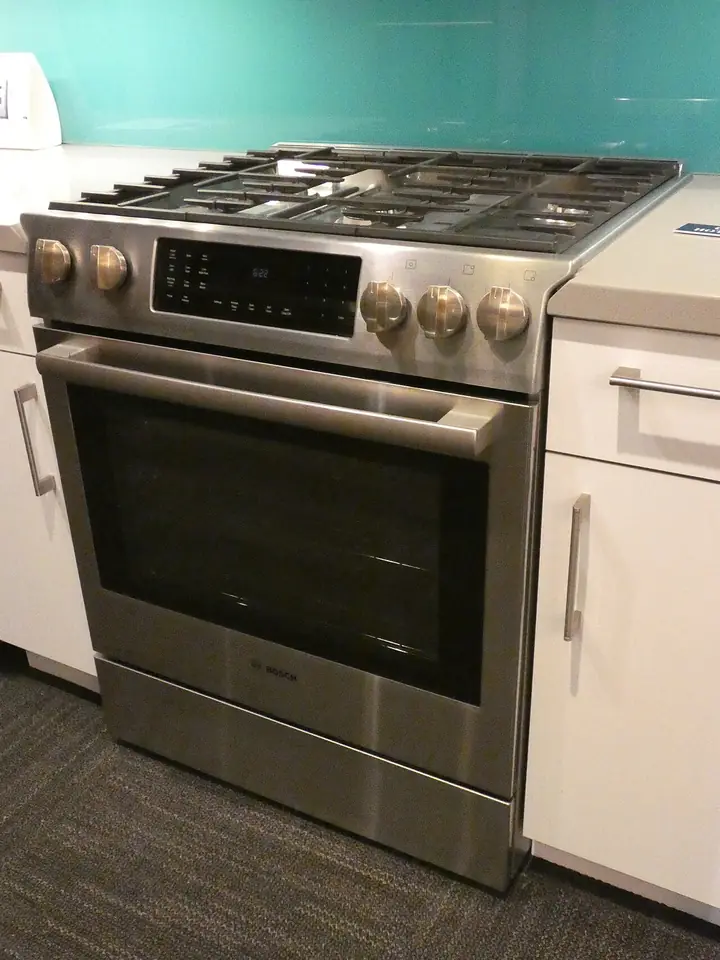
Ovens that run cold or hot, igniters that click without lighting, and dead surface burners.
More on Oven and Stove Repair →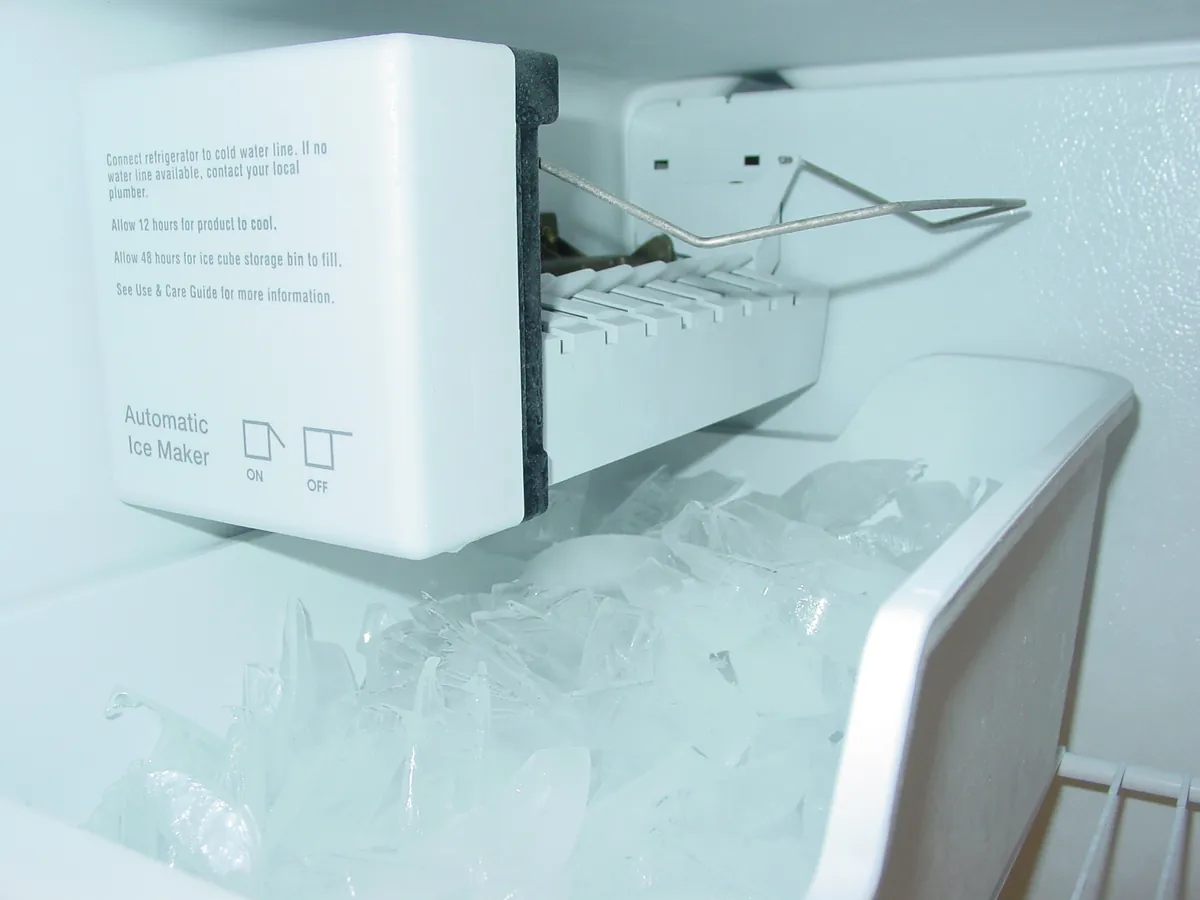
Built-in and freezer ice makers that stop filling, freeze up, leak or make hollow cubes.
More on Ice Maker Repair →Three units in four here are detached houses. The core is mid-century, with 23 percent of units from the 1950s and 27 percent from the 1960s, and the median year built is 1967. Yet 17 percent went up in 2000 or later, so a 1950s kitchen with its first outlets can sit two doors from a recent build with new built-ins. Before a part is ordered for an older house, the supply valve, the drain and the outlet behind the machine get a look.
Solar shows up more here than anywhere else in our area research: 13 percent of occupied homes name it as their heating fuel, beside 45 percent electricity. Utility gas comes in at 5 percent, a pointer to gas cooktops and ranges in some kitchens, though the Census question asks about heat, not cooking. Owners occupy 79 percent of homes, and households average 2.71 people.
Source: housing tables for Census Tract 5 (Honolulu County), ACS 2020-2024 5-year release, read through Census Reporter
Waialae and the Diamond Head side are next door, with Kuliouou and Hawaii Kai to the east along the coast. Westward the route runs through Waikiki and town, then over the Pali, up to Wahiawa and out to Ewa and Waianae.