
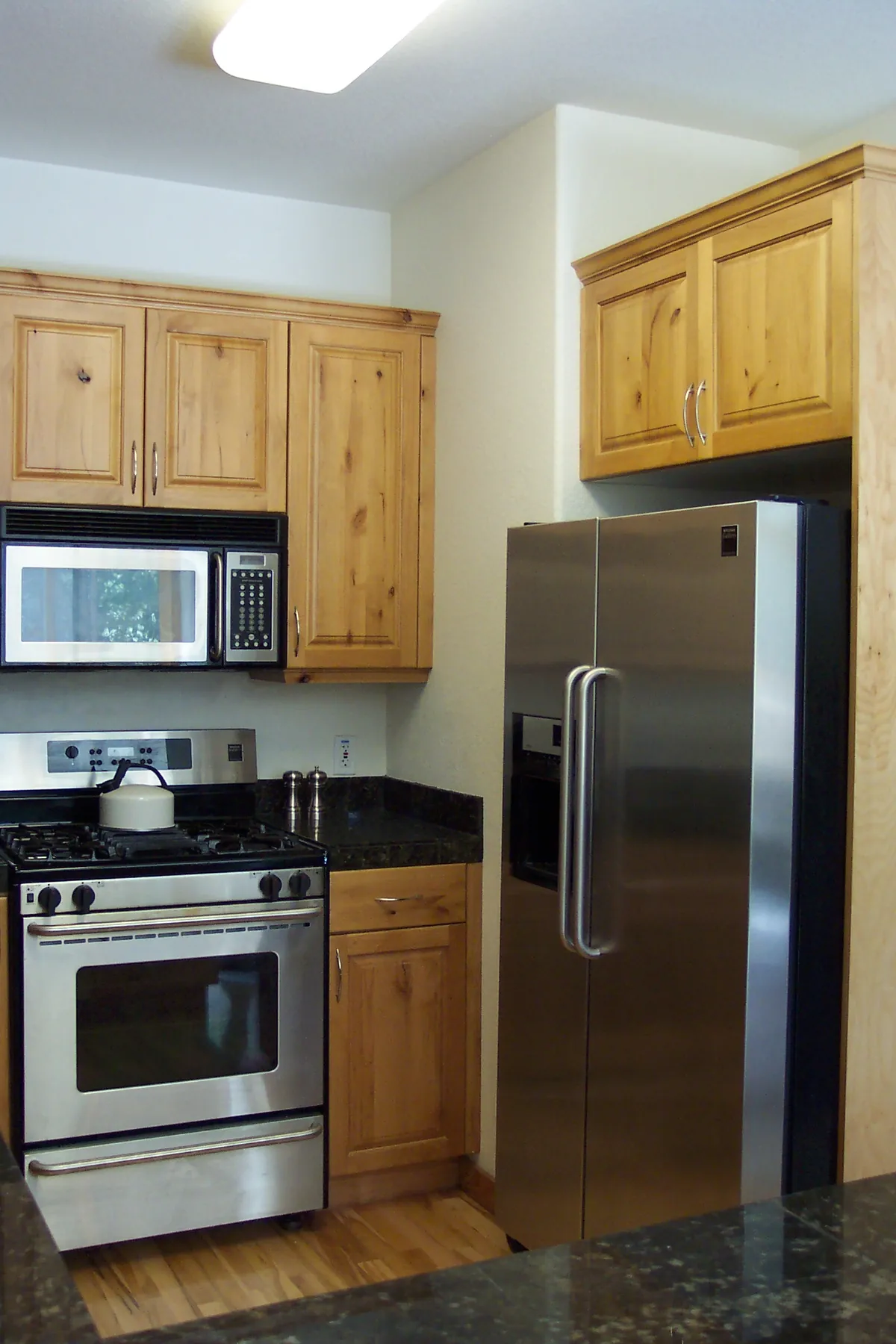
Refrigerator Repair
Warm sections, frost walls, leaks and noisy fans on top-freezer, side-by-side and built-in units.
More on Refrigerator Repair →One ZIP, 96792, covers the whole coast from Nanakuli to Makaha, about 15,688 homes in all. They share one long shoreline and one of the two saltiest exposures measured on Oahu, yet the housing changes from town to town.
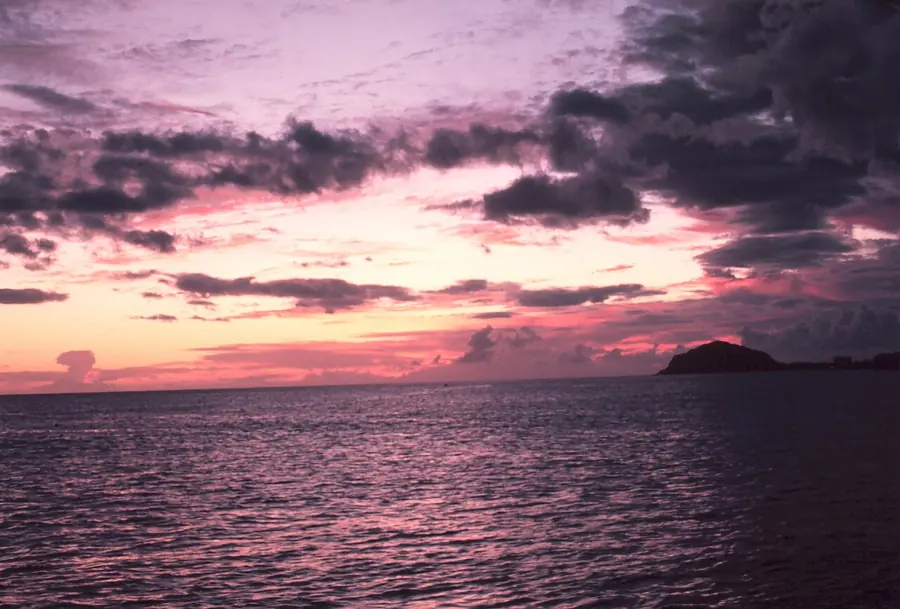
Because salt lands here harder than almost anywhere else on the island. Chloride sampled at 126 bus shelters, in University of Hawaii work, mapped the heaviest deposition along the windward and leeward coasts, and tied the leeward side to Kona winds from the south-southwest. Salt by itself does little; moisture lets it work, and the lowland air here still runs about 60 to 70 percent humidity. The weather is otherwise dry. The NOAA station near the shore records 17.92 inches of rain a year and only 1.69 inches from June to August. So the usual enemy is a fine salty film on metal, not rain.
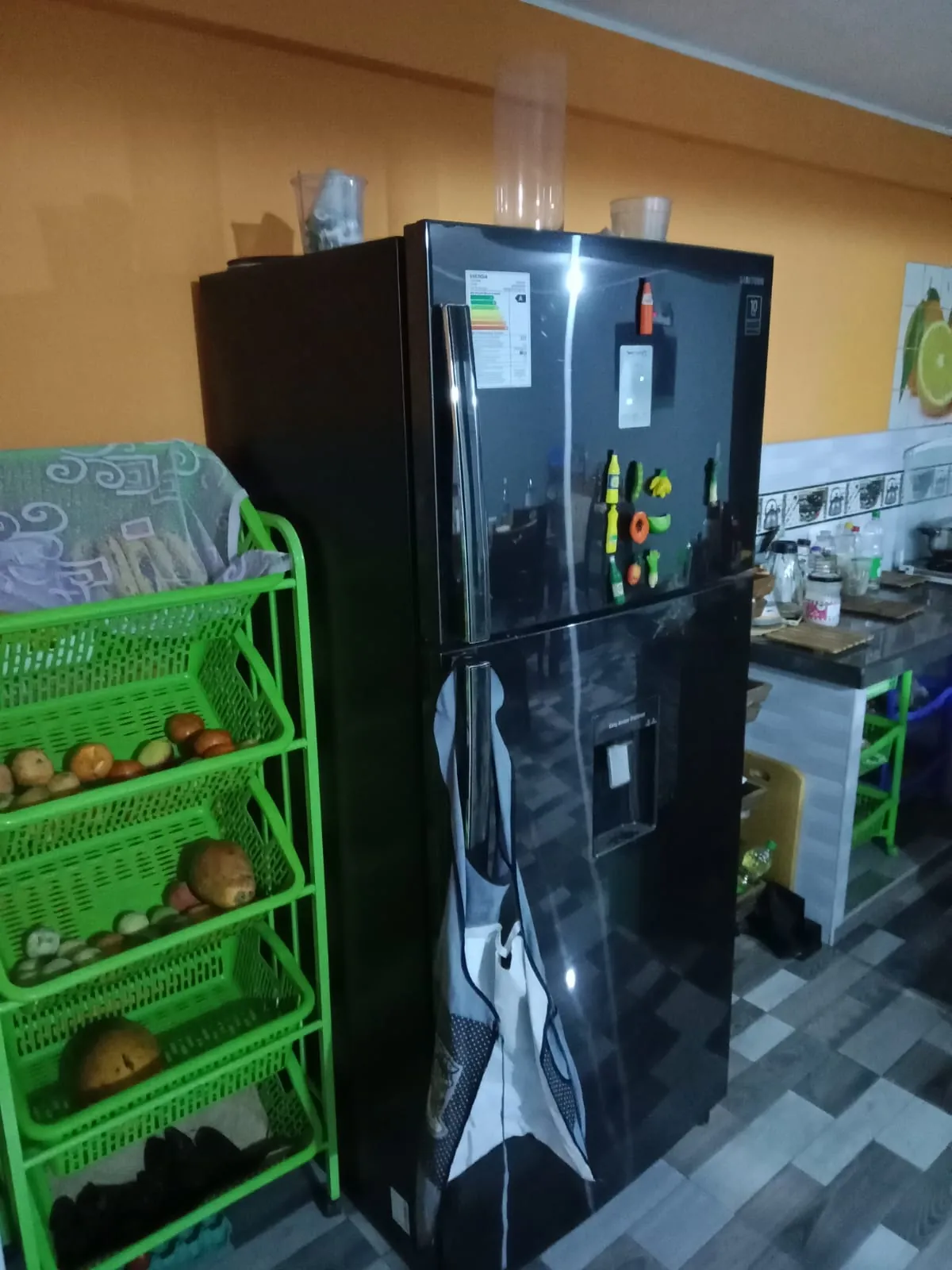
The six machines island kitchens and laundry rooms lean on hardest, each with its own page on causes, parts and cost.
Warm sections, frost walls, leaks and noisy fans on top-freezer, side-by-side and built-in units.
More on Refrigerator Repair →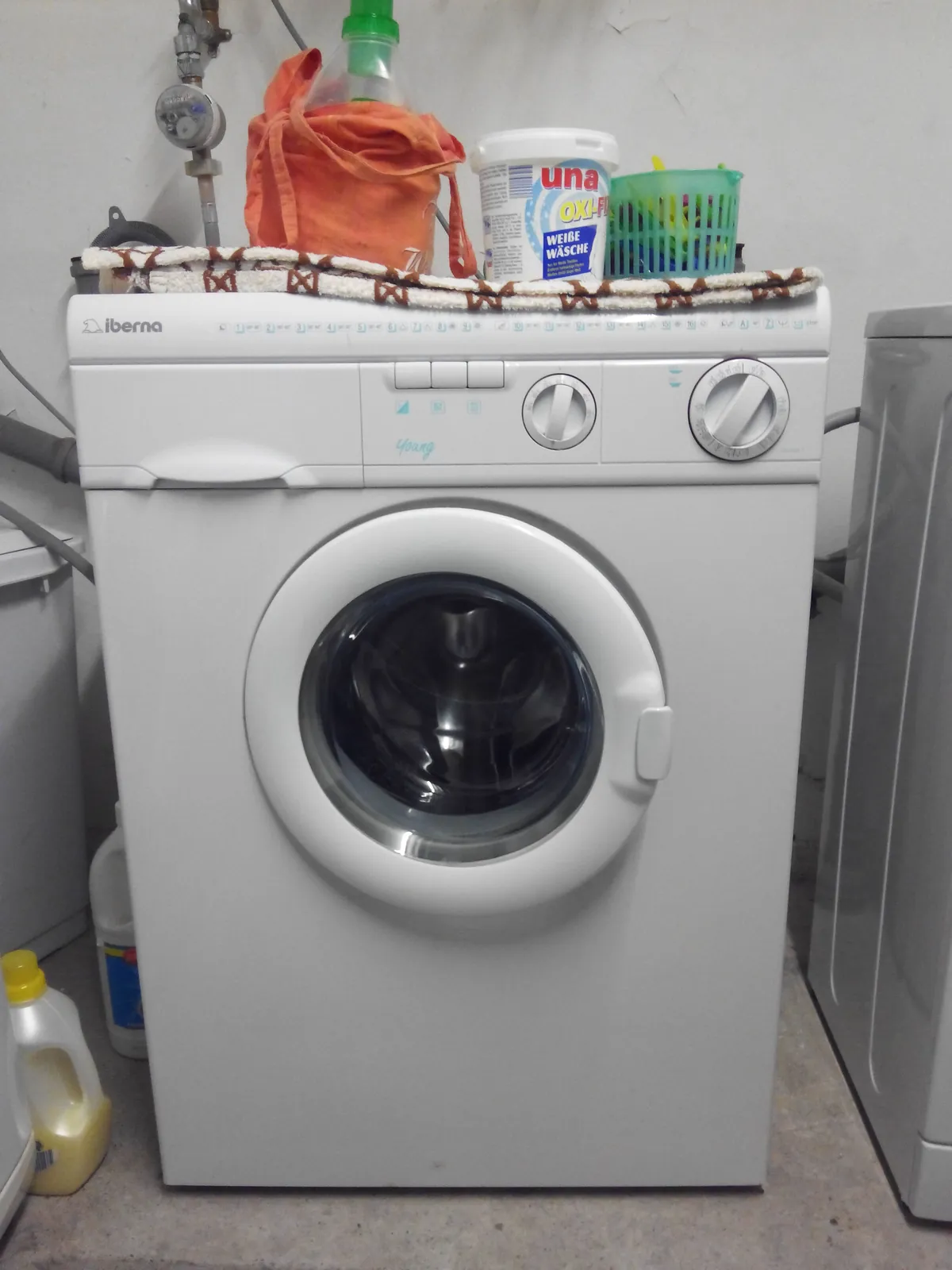
Top-load and front-load washers that will not drain, spin, fill or stop walking across the floor.
More on Washer Repair →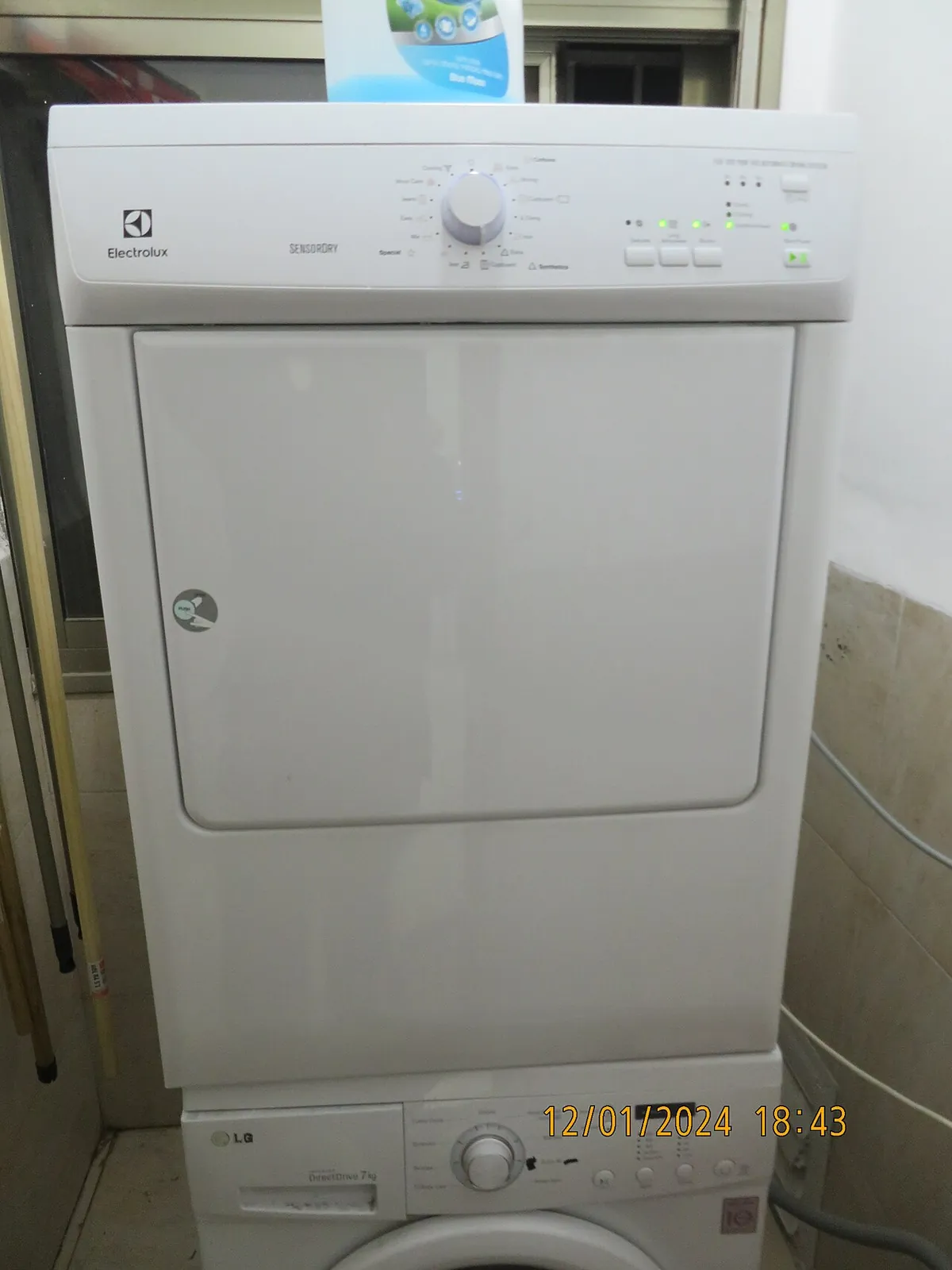
Gas and electric dryers that tumble cold, squeal, stop mid-cycle or never start at all.
More on Dryer Repair →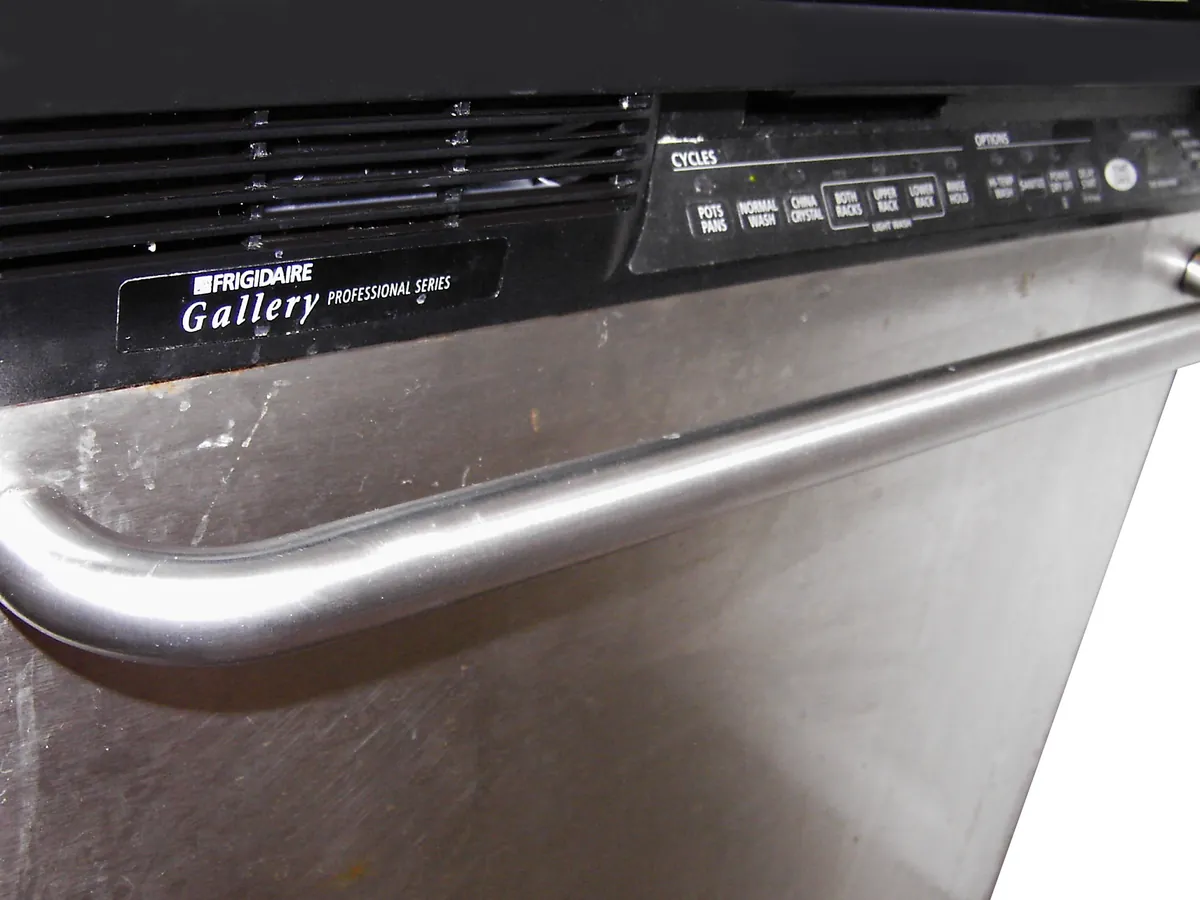
Standing water, cloudy glasses, leaks at the door and racks that come out wet.
More on Dishwasher Repair →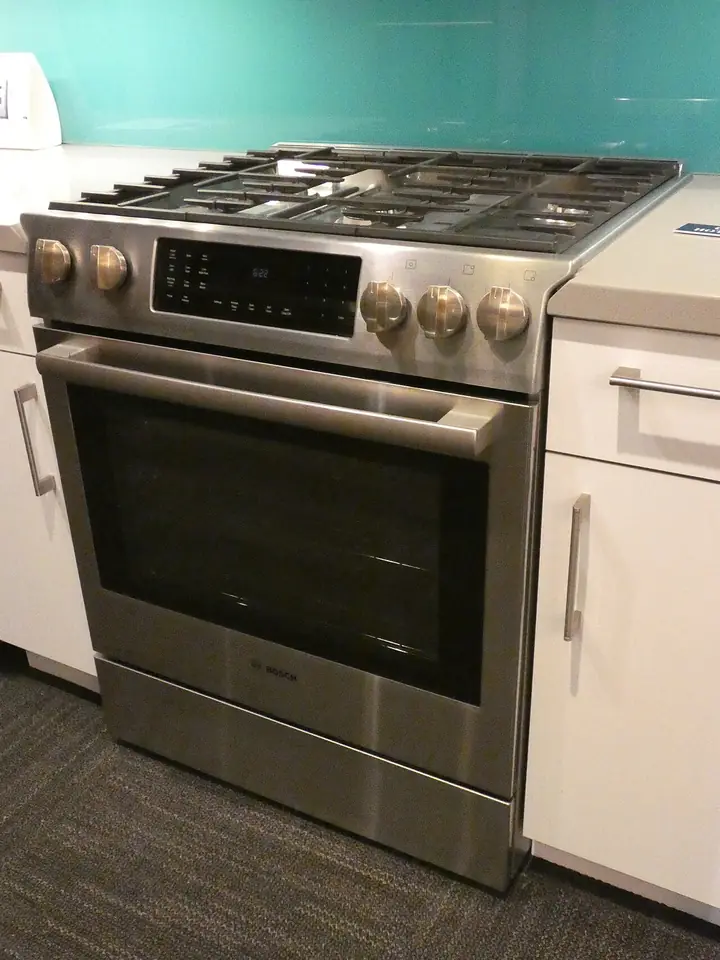
Ovens that run cold or hot, igniters that click without lighting, and dead surface burners.
More on Oven and Stove Repair →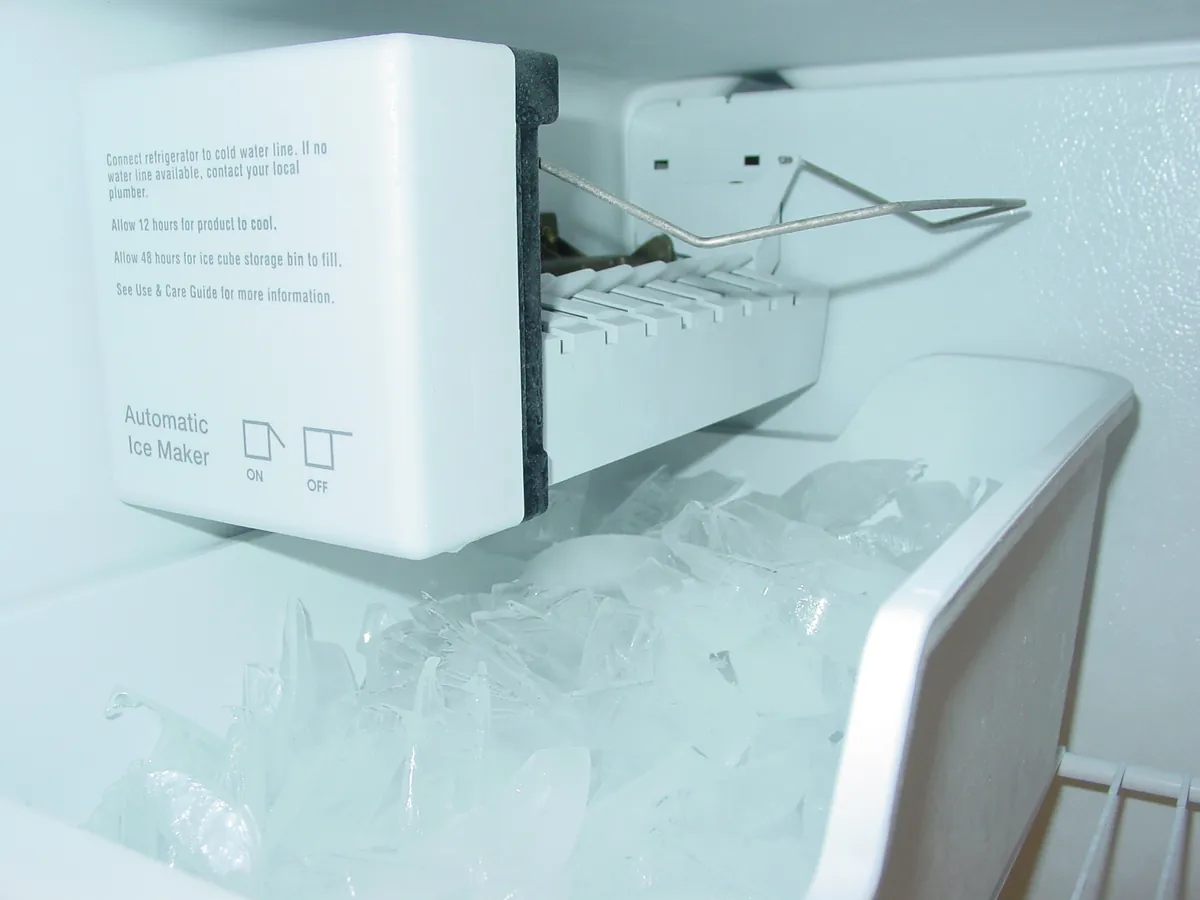
Built-in and freezer ice makers that stop filling, freeze up, leak or make hollow cubes.
More on Ice Maker Repair →Every town in the 96792 ZIP is covered, across both the Nanakuli-Maili board and the Waianae Coast board that runs north toward Kaena Point. Their homes differ more than the drive suggests.
Large family homes: households average 4.03 people, and 43 percent of units have four or more bedrooms.
The newest stock on the coast, with 42 percent of units built in 2000 or later.
A 1970s core, where the median home was built in 1979 and 35 percent date from that decade.
The coast's condo pocket, with 39 percent of units in buildings of 20 or more and 15 percent studios.
Inland and a little higher, where the country club gauge at about 250 ft logs 21.78 inches of rain.
The UH corrosion lab's rules are simple. Metal cannot corrode without moisture, dust pulls moisture onto a surface, and two different metals touching each other corrode faster. For a Waianae kitchen or laundry that means wiping cabinets and door edges dry, keeping lint and dust off the back of the dryer and washer, and replacing a rusted screw with one of the same metal rather than whatever is in the drawer. Sub-Zero says stainless resists rust without being immune, and that high salinity is one of the conditions that defeats it.
Across the 96792 ZIP, Waianae coast homes average 3.57 people and 36 percent are rented. Most are houses, but Makaha breaks the pattern: 35 percent of its units sit in buildings of 50 or more, and 54 percent of its homes are rented. About 751 units on the coast, 5 percent, lack a complete kitchen.
That range shapes the work. A Nanakuli house may run a full-size washer and dryer hard every day, while a Makaha studio may have only a compact fridge. Tell us which you have when booking, and for a tower, what the building requires.
Source: Census ACS 2020-2024 five-year estimates for ZCTA 96792 and the Makaha CDP
Sources: Census ACS 2020-2024 five-year release, ZCTA 96792 and Maili CDP; NOAA NCEI 1991-2020 normals, Waianae station
Kapolei and Ewa Beach are the first towns past Waimanalo Gulch, with Waipahu, Pearl City and Mililani beyond. Visits also run to town, the windward side and the North Shore.