
Refrigerator Repair
Warm sections, frost walls, leaks and noisy fans on top-freezer, side-by-side and built-in units.
More on Refrigerator Repair →About 85 percent of Hawaii homes have an electric cooking appliance, against 68 percent nationally. So most Honolulu oven calls are about elements and controls, with gas igniters and burners the smaller share.
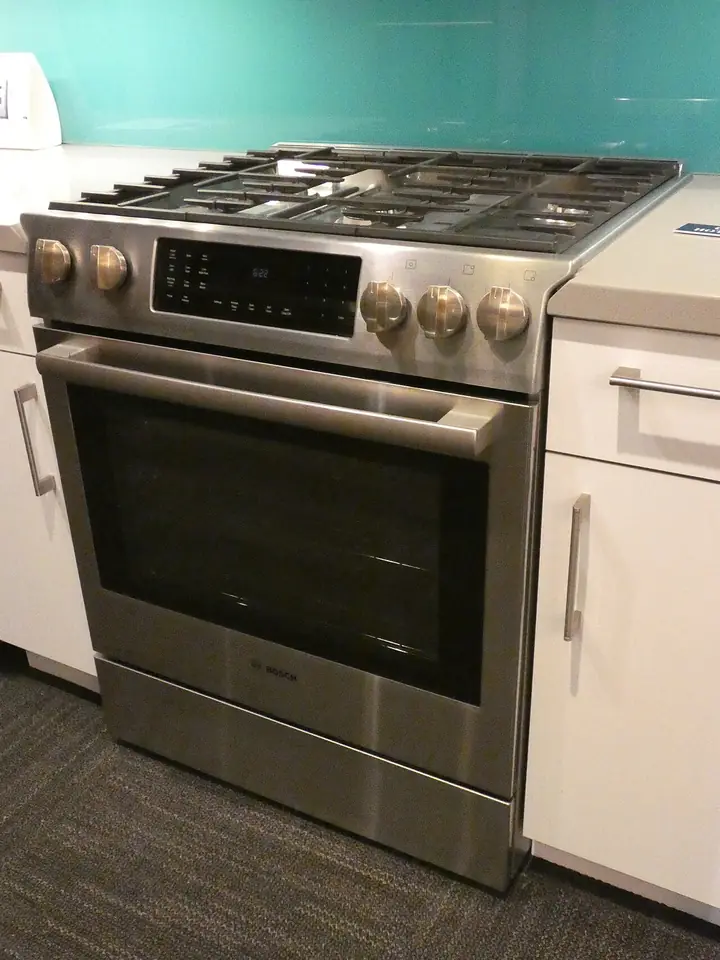
An oven or stove repair in Honolulu is two jobs at once: finding the failed part and putting the range back safely. The first means a bake test and a look for the element's red glow or the igniter's orange one. The second means a grounded outlet, a tight cord connection and an anti-tip bracket engaged again after the range comes out. Brand-specific notes are on Wolf ovens and the Whirlpool, Samsung and LG pages.
The six below need a technician once the simple causes are ruled out: control lock, a delay start, foil on the oven floor, a burner cap on the wrong head.
A bake element that no longer glows, or a gas igniter that never gets hot enough. See oven not heating.
A gas oven should light within 2 to 3 seconds. A boom or a door that blows open is delayed ignition.
An igniter that keeps sparking after the burner lights. Unplug or cut the breaker and shut the gas until it is serviced.
A failing element can spark, trip the breaker and smell of burning plastic. Stop using the oven.
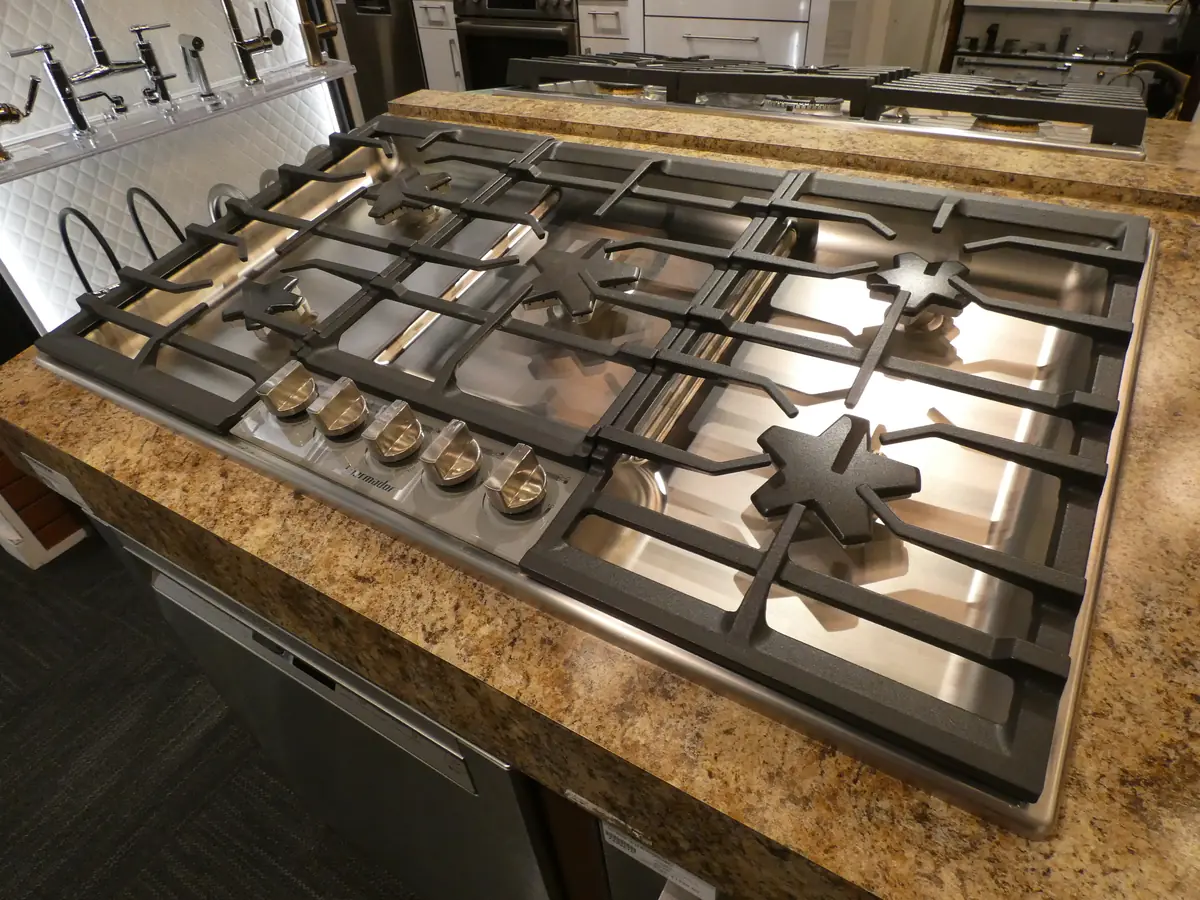
Wet or dirty ports or an unseated electrode; if no burner sparks but the oven works, the spark module needs service.
A torn door gasket or a weak element when results stay wrong after the control is offset.
Mostly on electricity. Only about one Hawaii home in ten has a natural gas cooking appliance, against 38 percent nationally, so a gas range here is the exception worth a careful check. Where gas does run, it comes two ways. Homes on the utility pipelines get a blend that includes synthetic natural gas made from naphtha, while homes off the pipelines run on propane tanks. Yellow flame tips are normal on propane. All-yellow or orange flames are not, and point to air, pressure or fuel problems. Every range, gas or electric, should sit on an engaged anti-tip bracket, and it has to be hooked again whenever the range is pulled out.
It depends on the fuel: electric ovens fail at the elements, gas ovens at the igniter and valve, and cooktops at the spark parts or coils.
| Part | Fuel | What it does | Failure sign | Owner check |
|---|---|---|---|---|
| Bake element | Electric | Heats the oven from below | No red glow during bake | Breaker off, look for cracks or breaks |
| Glo-bar igniter | Gas | Heats until the safety valve opens, then lights the gas | Glows but slow to light, or no glow | Grounded outlet, no two-prong adapter |
| Pressure regulator lever | Gas | Shuts off gas to the oven | Cooktop works, oven gets no gas | May need service to reach |
| Spark module and electrodes | Gas cooktop | Fires every electrode together | No click on any burner | Dry caps, seat each on its own head |
| Coil receptacle | Electric coil | Feeds power to the coil | One dead burner | Swap the coil to a same-size socket |
Sources: DOE 2024 cooking products rule; CPSC range tip-over safety alert; EPA indoor air carbon monoxide page
Range, wall oven or cooktop; electric, utility gas or propane; the brand and model; and what it does. If you smell gas, leave first and call the gas supplier.
Modes and the control first, then the glow test, the elements, the igniter and the valve. You get a written estimate before any part is ordered.
Elements, igniters, spark modules, gaskets and controls. Parts not on hand may ship to Honolulu from the mainland, and the estimate says so.
The oven runs a full preheat and the burners light in turn, then the range goes back with its anti-tip bracket hooked.
The six machines island kitchens and laundry rooms lean on hardest, each with its own page on causes, parts and cost.
Warm sections, frost walls, leaks and noisy fans on top-freezer, side-by-side and built-in units.
More on Refrigerator Repair →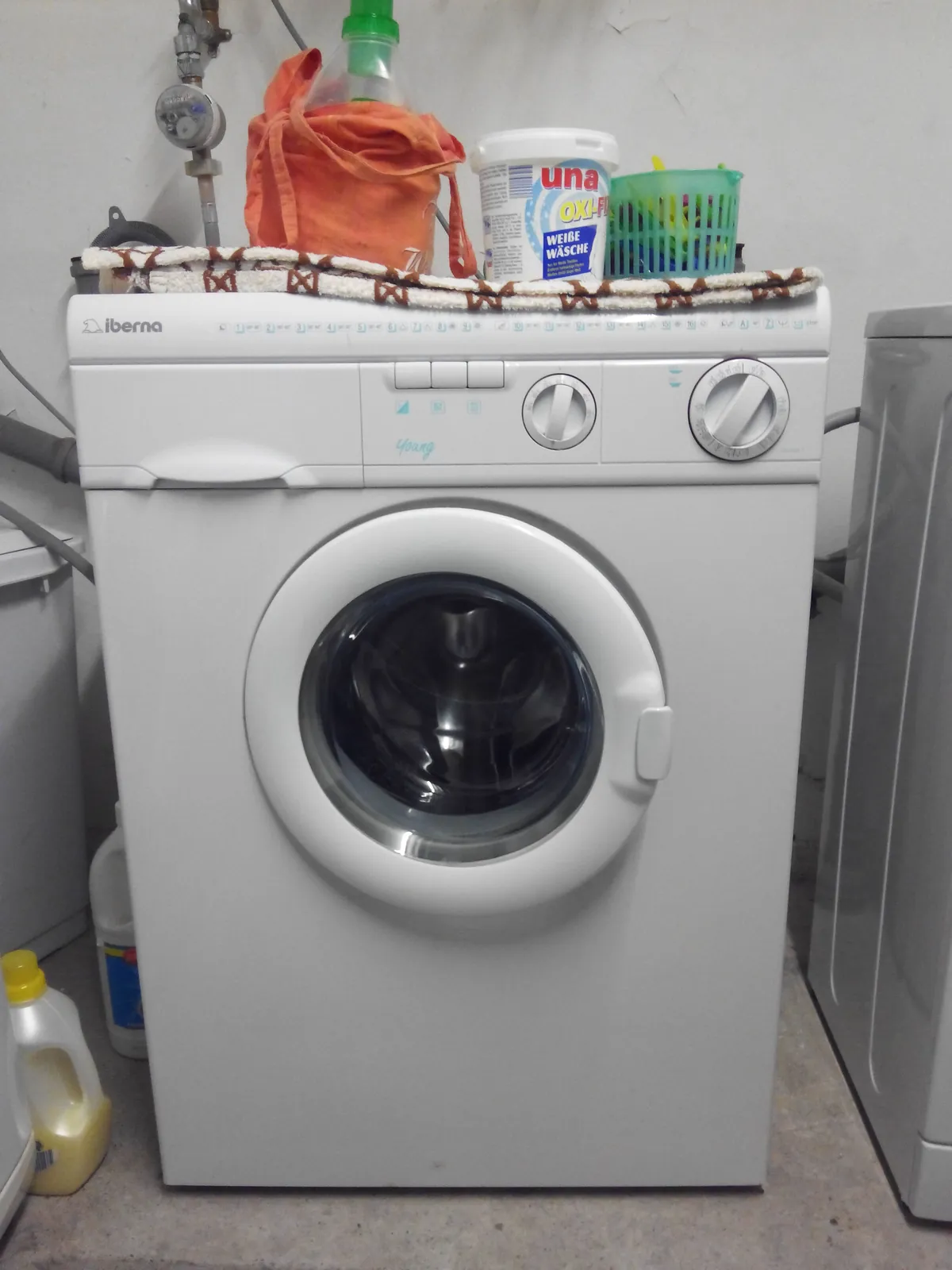
Top-load and front-load washers that will not drain, spin, fill or stop walking across the floor.
More on Washer Repair →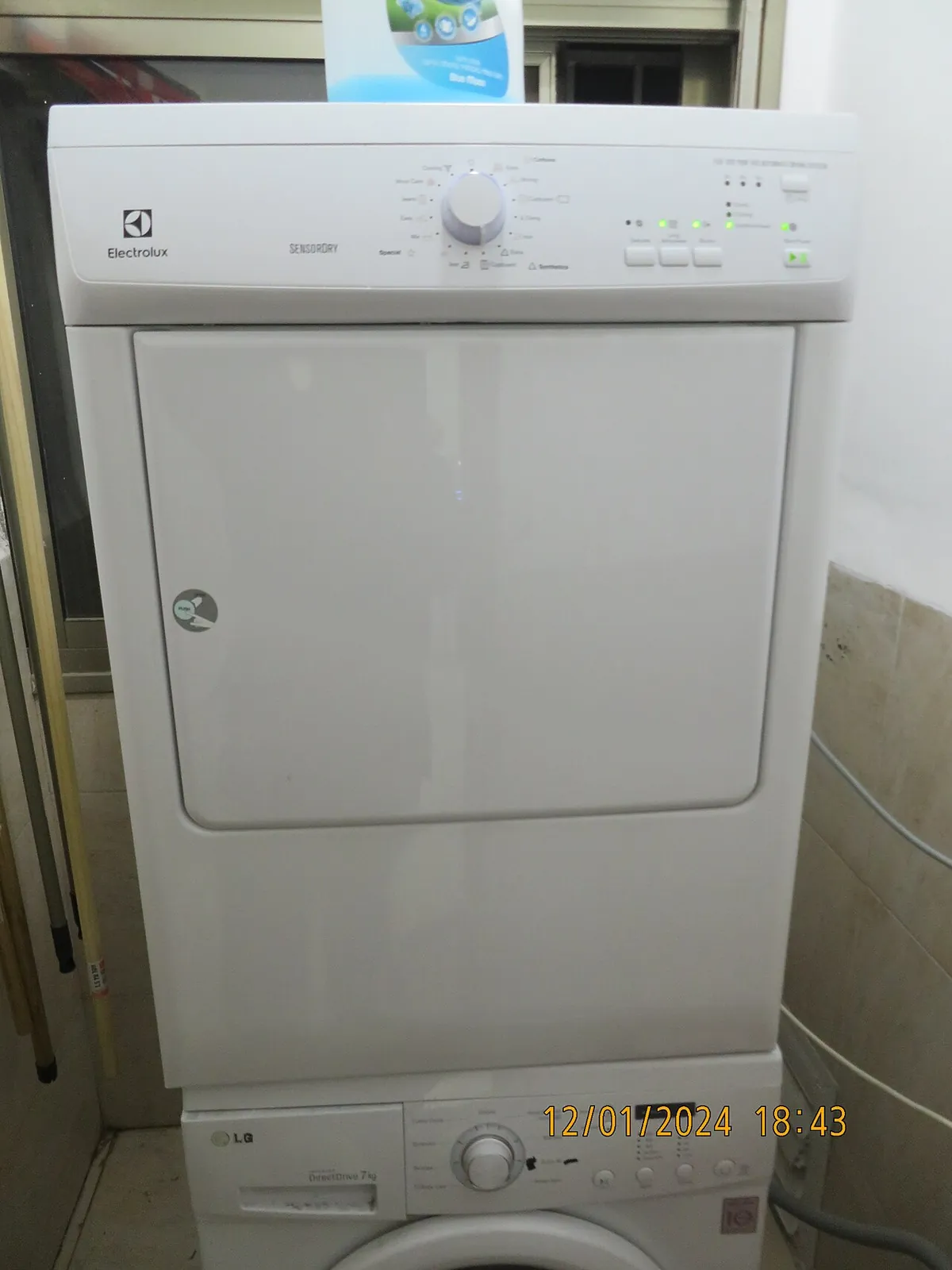
Gas and electric dryers that tumble cold, squeal, stop mid-cycle or never start at all.
More on Dryer Repair →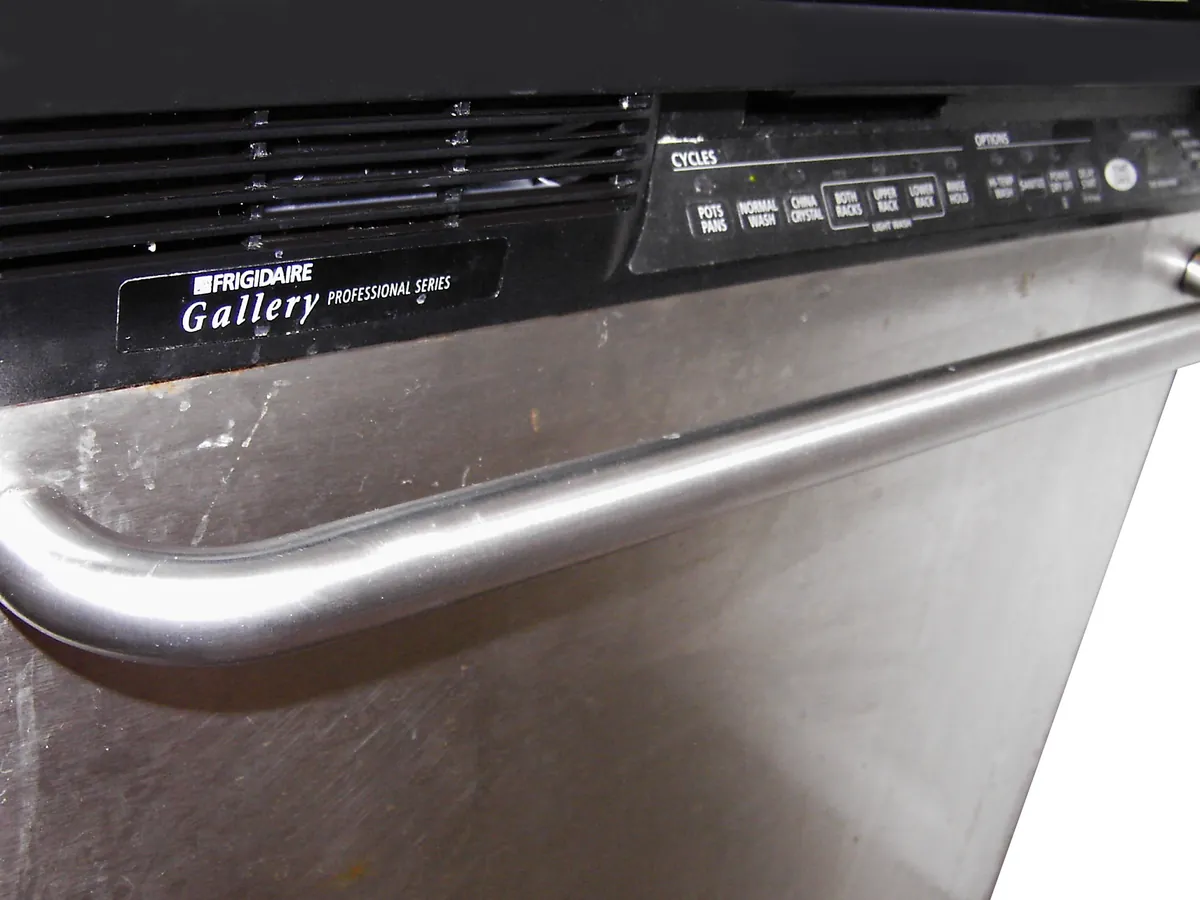
Standing water, cloudy glasses, leaks at the door and racks that come out wet.
More on Dishwasher Repair →Ovens that run cold or hot, igniters that click without lighting, and dead surface burners.
More on Oven and Stove Repair →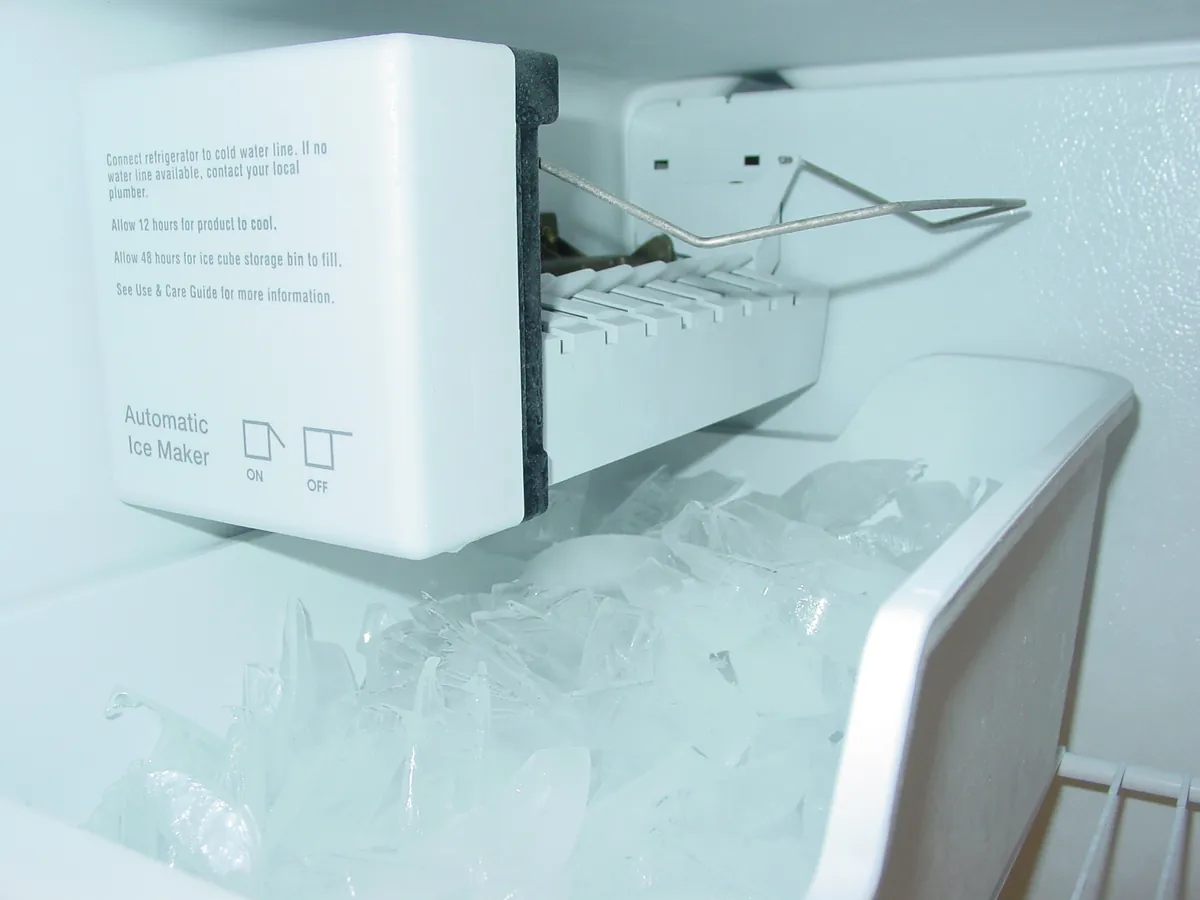
Built-in and freezer ice makers that stop filling, freeze up, leak or make hollow cubes.
More on Ice Maker Repair →