
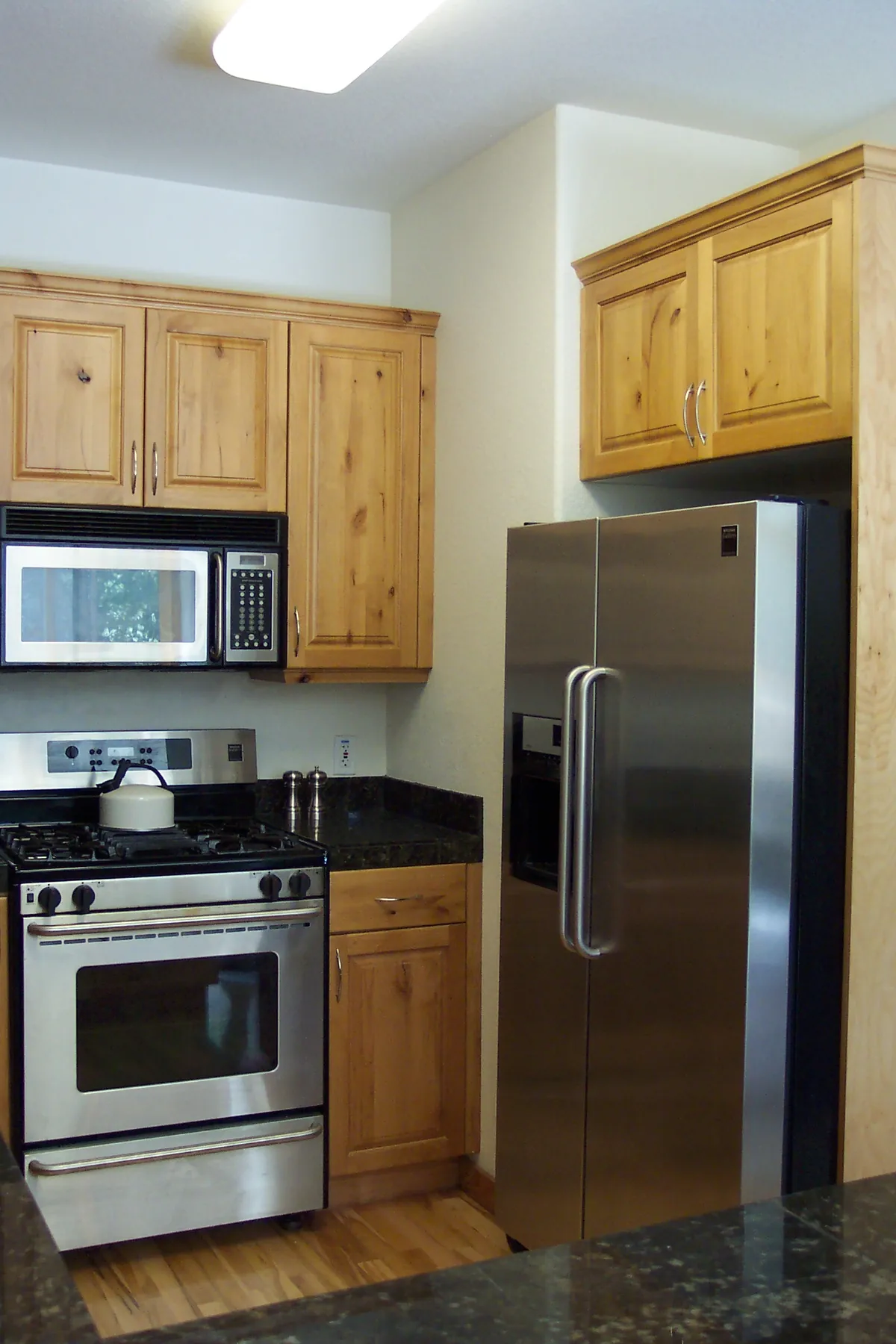
Refrigerator Repair
Warm sections, frost walls, leaks and noisy fans on top-freezer, side-by-side and built-in units.
More on Refrigerator Repair →A full wet load carries up to 1.5 gallons of water, and every drop leaves as steam through the vent. When that air path chokes, a good dryer looks broken. Honolulu dryer calls start there.
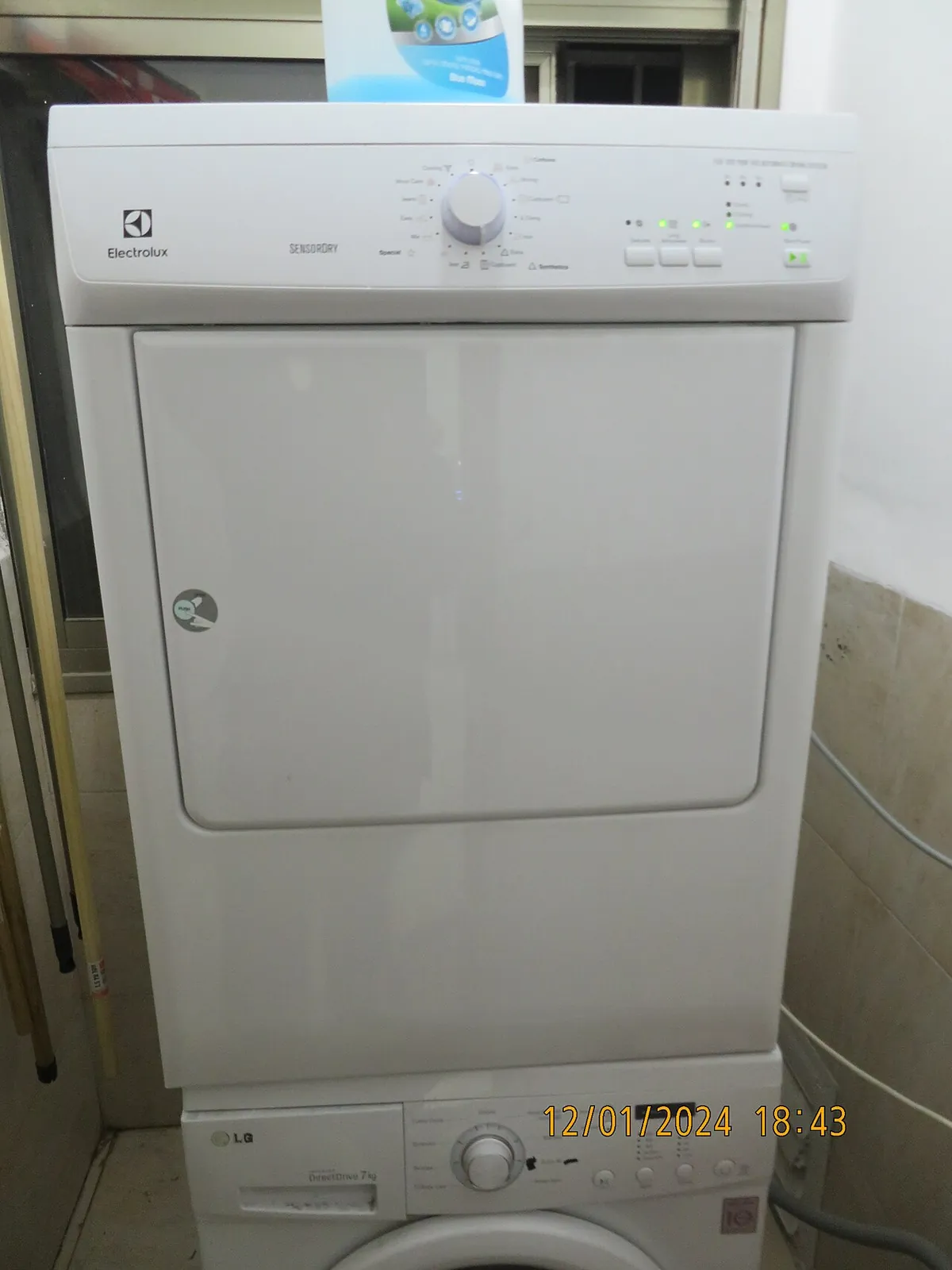
Because the dryer protects itself by cutting its own heat. CPSC staff who blocked the exhaust 75 to 100 percent saw dryers cycle on their high-limit thermostat, the normal reaction to a choked vent, not a bad part. Clothes come out damp and the cycle runs long. Replace the thermostat and the problem returns. If the high-limit itself fails while the vent stays blocked, a one-shot thermal limiter cuts the element, and that part cannot be reset. So any heating repair here is read together with the vent.
Gas or electric, brand and model, whether it heats at all, and how the vent runs outside. A photo of the outdoor hood helps.
After 5 to 10 minutes of running, air at the outdoor hood should feel at least as strong as a hair dryer on high.
Heating parts, belts, rollers, door switches or the terminal block, with a written estimate first. Parts not on hand may ship to Honolulu from the mainland.
A timed heated cycle confirms heat at the drum, and lint found inside the cabinet is cleared before the panels go back on.
Mostly fuel and buildings. In 2020, 72 percent of Hawaii homes were all-electric, so the typical Honolulu dryer is a 240-volt electric model, and a gas unit is the exception. Many sit in stacked condo closets that vent into a shared riser, and under the state condo law that shared duct is usually the association's to clean, while the branch serving one apartment is tied to that unit. Then there is the power bill. A dryer cycling on a half-blocked vent burns electricity that costs far more here than on the mainland, which is why some condo owners look at ventless heat pump models.
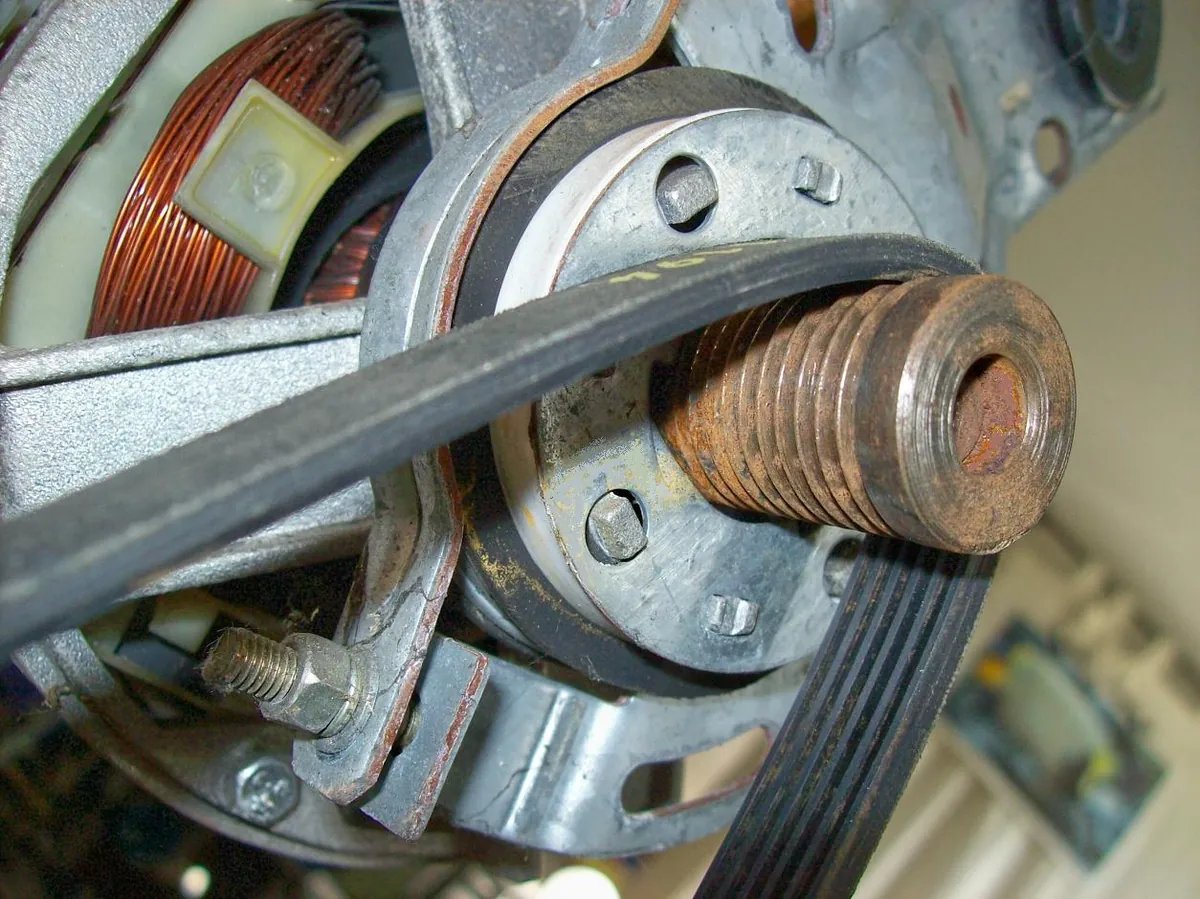
Each dryer part leaves its own clue. The table pairs the part with its usual symptom and says what an owner can safely check.
| Part | Found on | Symptom | Owner check | Fix |
|---|---|---|---|---|
| Heating element | Electric | Drum turns, no heat | Reset both breakers for 30 seconds | Technician |
| Glo-bar igniter | Gas | No glow, no flame | Gas shutoff lined up with the pipe | Technician |
| Thermal fuse or limiter | Both | Heat gone for good | Clear the vent before blaming it | Technician |
| Drive belt | Both | Motor hums, drum still | Power off: does the drum spin freely? | Technician |
| Door switch | Both | Will not start at all | Door fully latched, nothing caught | Technician |
A dryer that runs but does not dry has two suspects: the heat source and the airflow. Testing both on the same visit avoids paying for a part that was never the problem. When the washer is acting up too, say so, and both machines get looked at on one trip; our washer repair page covers that side. Brand notes sit on the Samsung, LG, Whirlpool and Maytag pages.
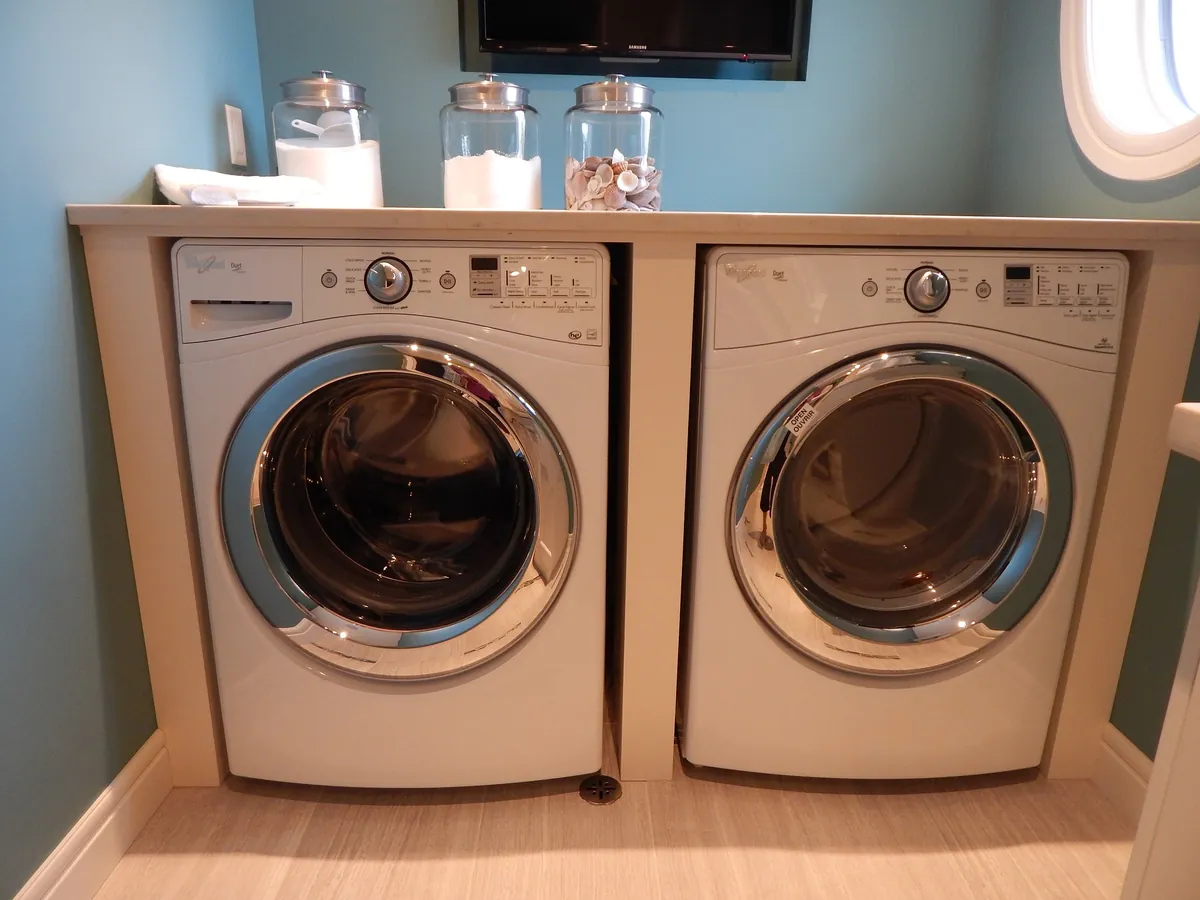
A short squeak at start-up, drum rumble and gas valve clicks are normal. These are not. Stop using a noisy dryer, because running it wears other parts and raises the bill.
One tripped breaker leg, an empty propane tank or a failed heating part. Start with dryer not heating.
Usually a restricted vent. Plastic or foil accordion duct should be swapped for rigid or semi-rigid metal.
Rollers with flat spots after weeks of disuse, or a frayed belt slapping as it turns.
Something caught in the front drum seal, or worn drum slides. Stop running it.
A door that looks shut but has not latched, a scorched door switch, or a burned terminal block.
Dirty moisture sensor bars make the dryer think the load is dry after a couple of minutes.
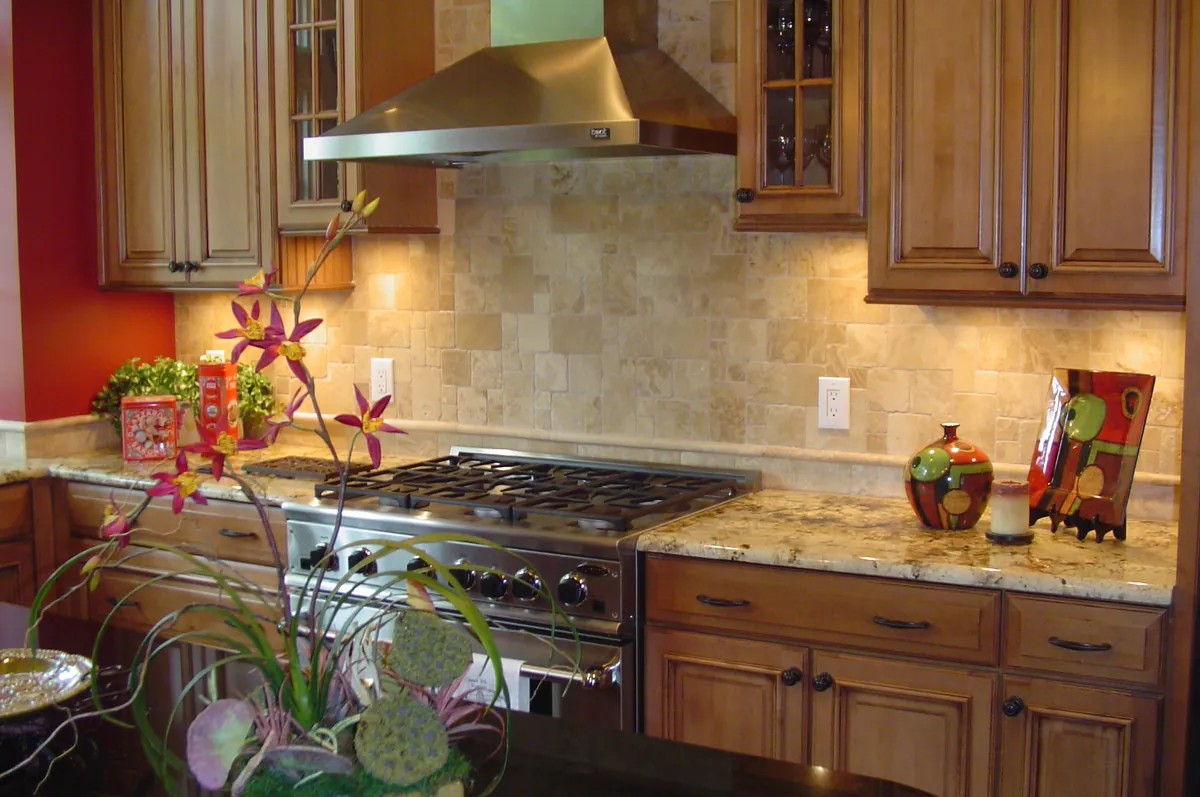
The six machines island kitchens and laundry rooms lean on hardest, each with its own page on causes, parts and cost.
Warm sections, frost walls, leaks and noisy fans on top-freezer, side-by-side and built-in units.
More on Refrigerator Repair →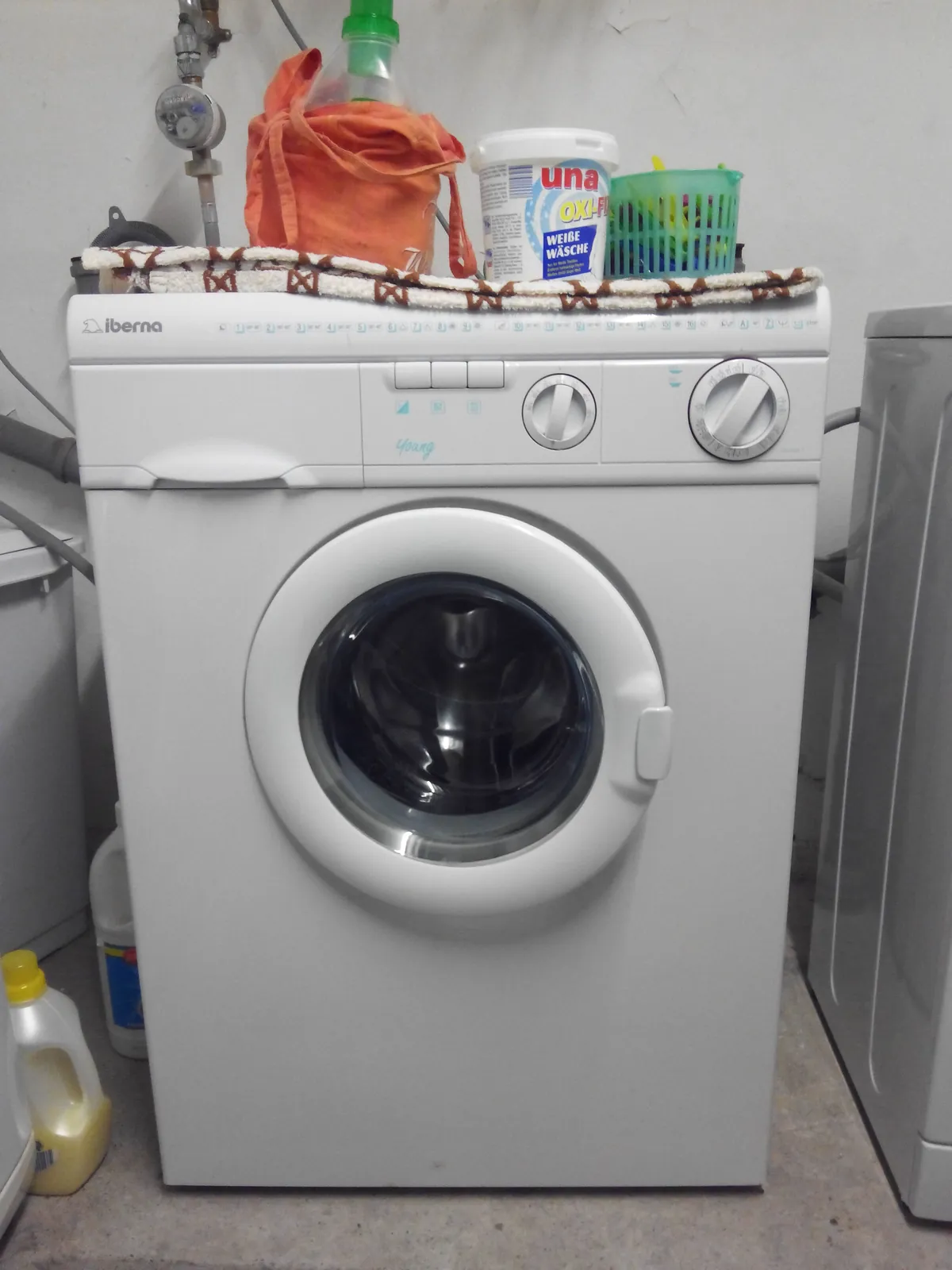
Top-load and front-load washers that will not drain, spin, fill or stop walking across the floor.
More on Washer Repair →Gas and electric dryers that tumble cold, squeal, stop mid-cycle or never start at all.
More on Dryer Repair →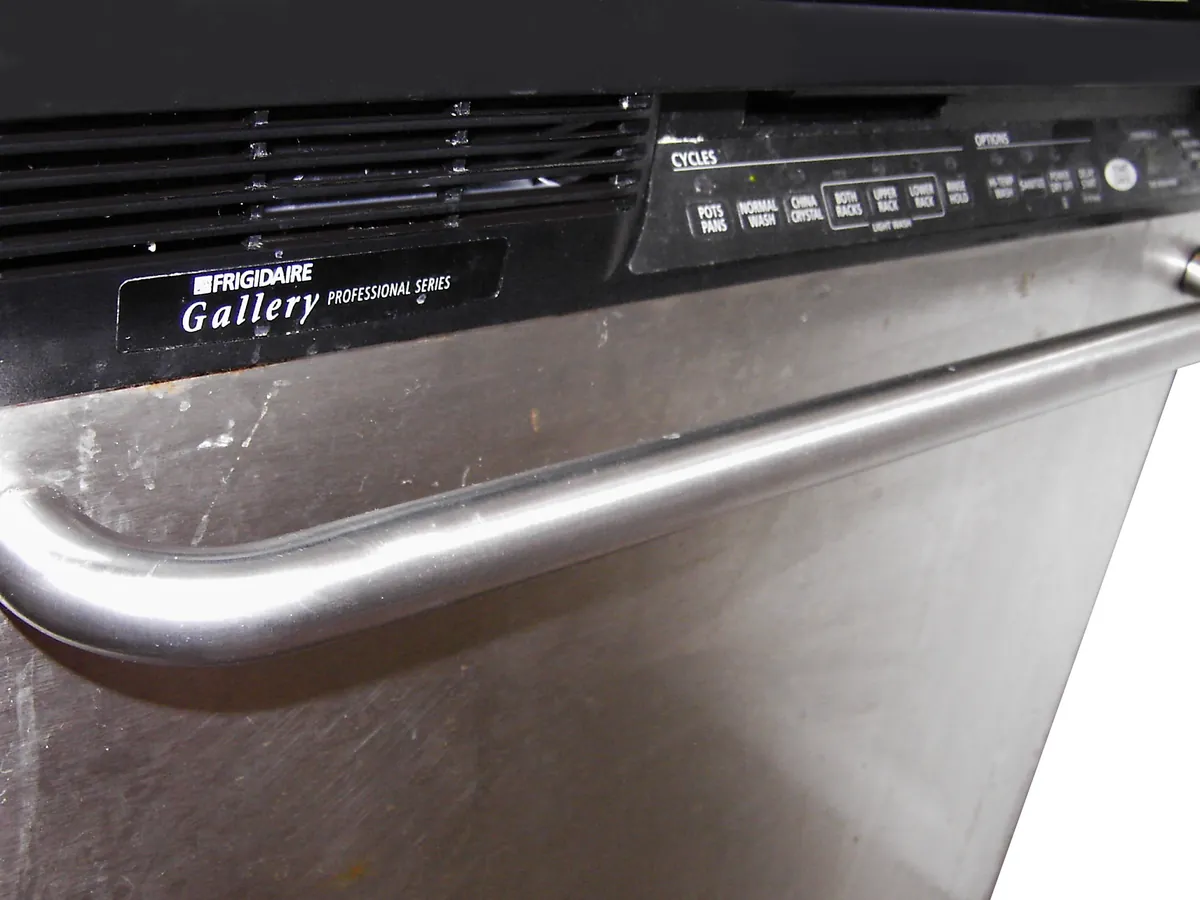
Standing water, cloudy glasses, leaks at the door and racks that come out wet.
More on Dishwasher Repair →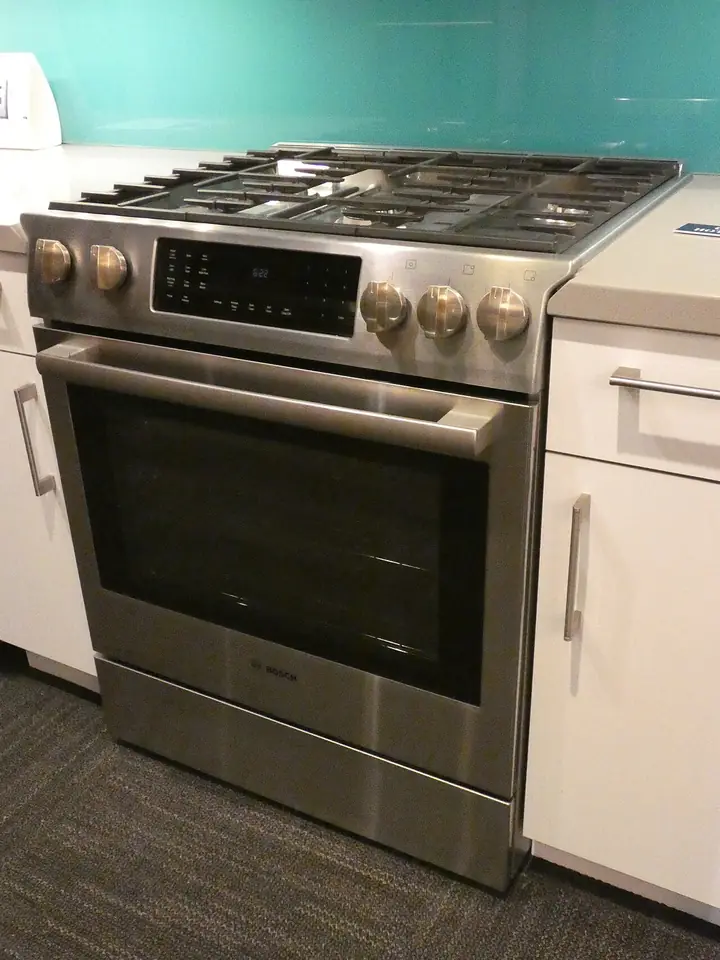
Ovens that run cold or hot, igniters that click without lighting, and dead surface burners.
More on Oven and Stove Repair →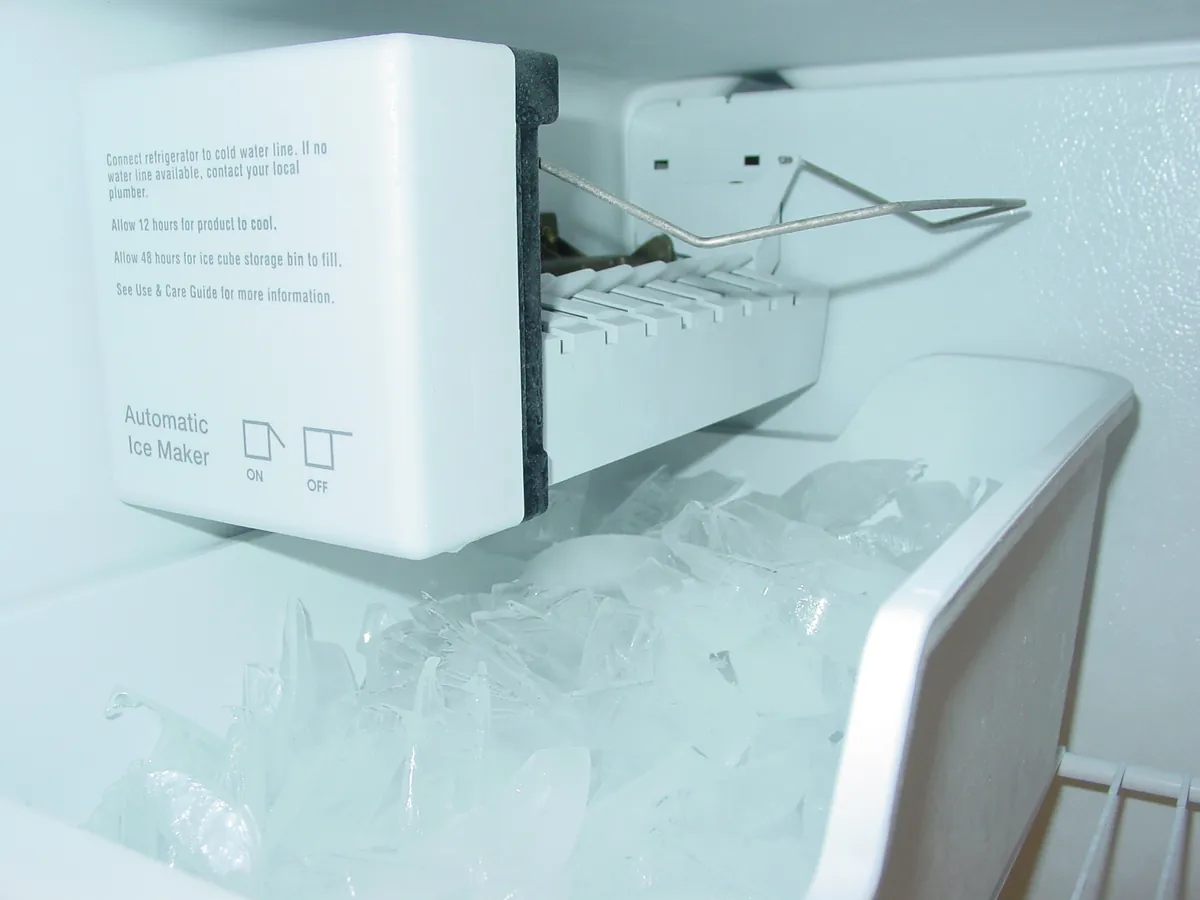
Built-in and freezer ice makers that stop filling, freeze up, leak or make hollow cubes.
More on Ice Maker Repair →