
Refrigerator Repair
Warm sections, frost walls, leaks and noisy fans on top-freezer, side-by-side and built-in units.
More on Refrigerator Repair →Up here, gas often comes in a tank rather than a pipe: in Pupukea, bottled or tank gas outnumbers utility gas about four to one. Add rain in every season and a long road from town, and a repair takes some planning.
The route takes in the towns of all five subdistricts the neighborhood board names, across the 96712 and 96791 ZIP areas. Each has a different mix of homes.
West of Waialua, about 954 homes, with 28 percent of units in buildings of 20 or more.
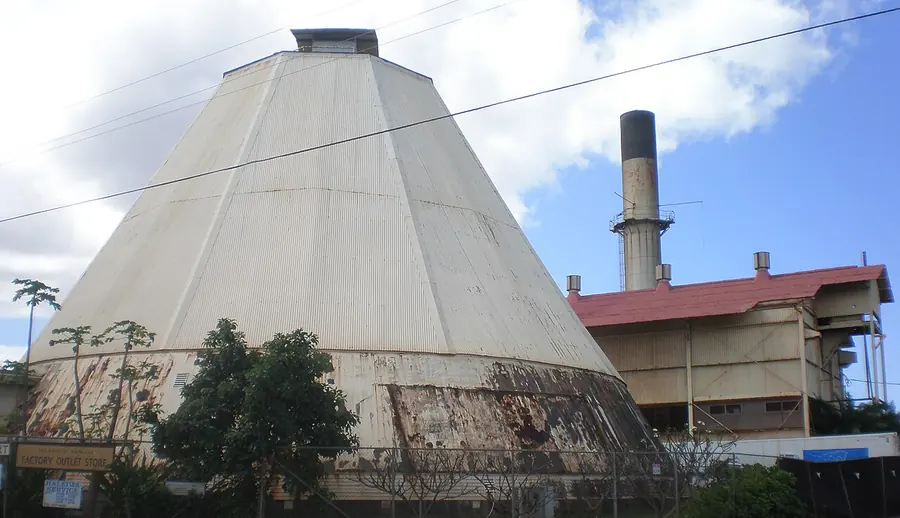
The old mill town, median build year 1965, with 9 percent of units from before 1940.
About 1,911 homes; 41 percent of occupied ones are rented, and renter households average 1.98 people.
Site of the City transfer station that takes large appliances, so a dead machine stays on this side of the island.
About 1,807 homes, 209 of them held for seasonal or occasional use, and gas mostly from tanks.
A North Shore visit takes more planning because of distance, weather and fuel. Many parts have to come from the mainland by ship or air, and this coast is far from the Honolulu harbor, so the model number you give on the phone decides whether the right part rides along on the first trip. The NOAA Waimea Valley station counts 122.1 days a year with a tenth of an inch of rain or more, and 10.68 inches fall even in June through August, so laundry rooms here get no real dry season. And where tank gas outnumbers piped gas, a gas dryer that will not heat may simply need a full tank.
In Pupukea, 79 percent of occupied homes report no heating fuel and 4 percent report bottled or tank gas, a hint that gas appliances here run on tanks rather than a main. Hawaii Gas pipes utility gas to its pipeline customers and delivers propane in tanks to those off the lines. Before calling about a cold gas dryer, check that the tank is not empty and that the shutoff handle lines up with the pipe. Yellow tips on an LP flame are normal; an all-yellow or orange flame on a converted range is not.
The six machines island kitchens and laundry rooms lean on hardest, each with its own page on causes, parts and cost.
Warm sections, frost walls, leaks and noisy fans on top-freezer, side-by-side and built-in units.
More on Refrigerator Repair →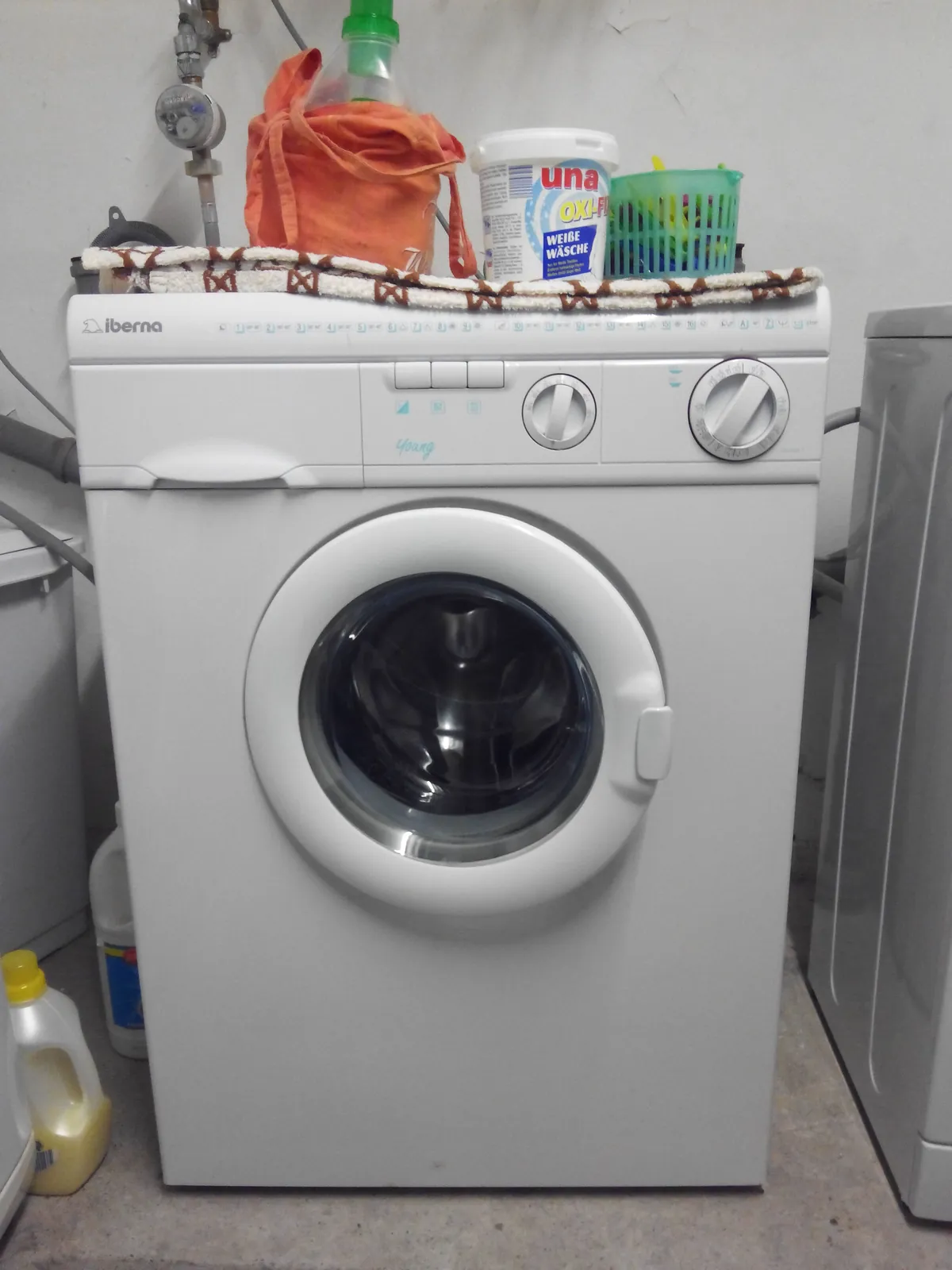
Top-load and front-load washers that will not drain, spin, fill or stop walking across the floor.
More on Washer Repair →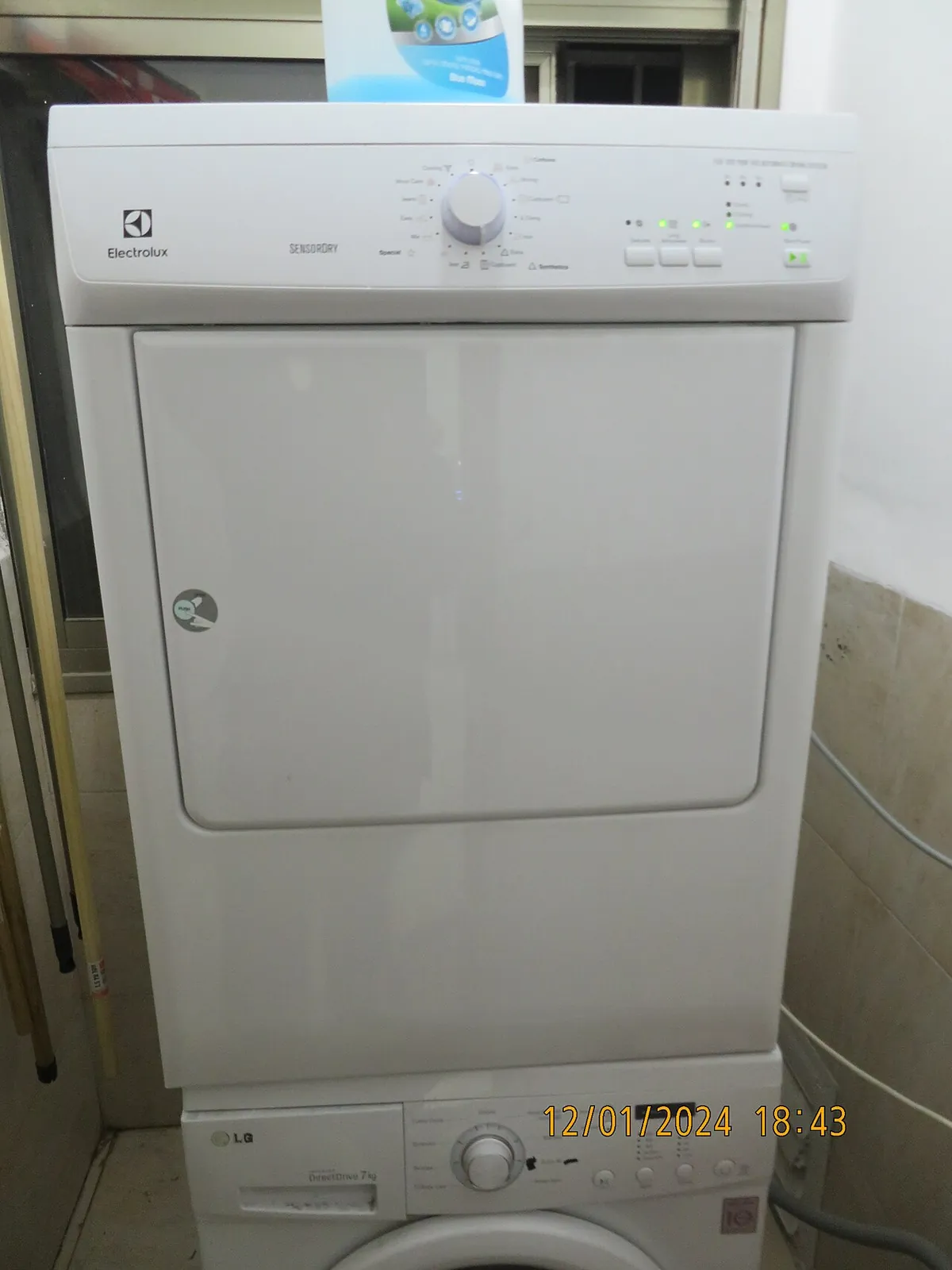
Gas and electric dryers that tumble cold, squeal, stop mid-cycle or never start at all.
More on Dryer Repair →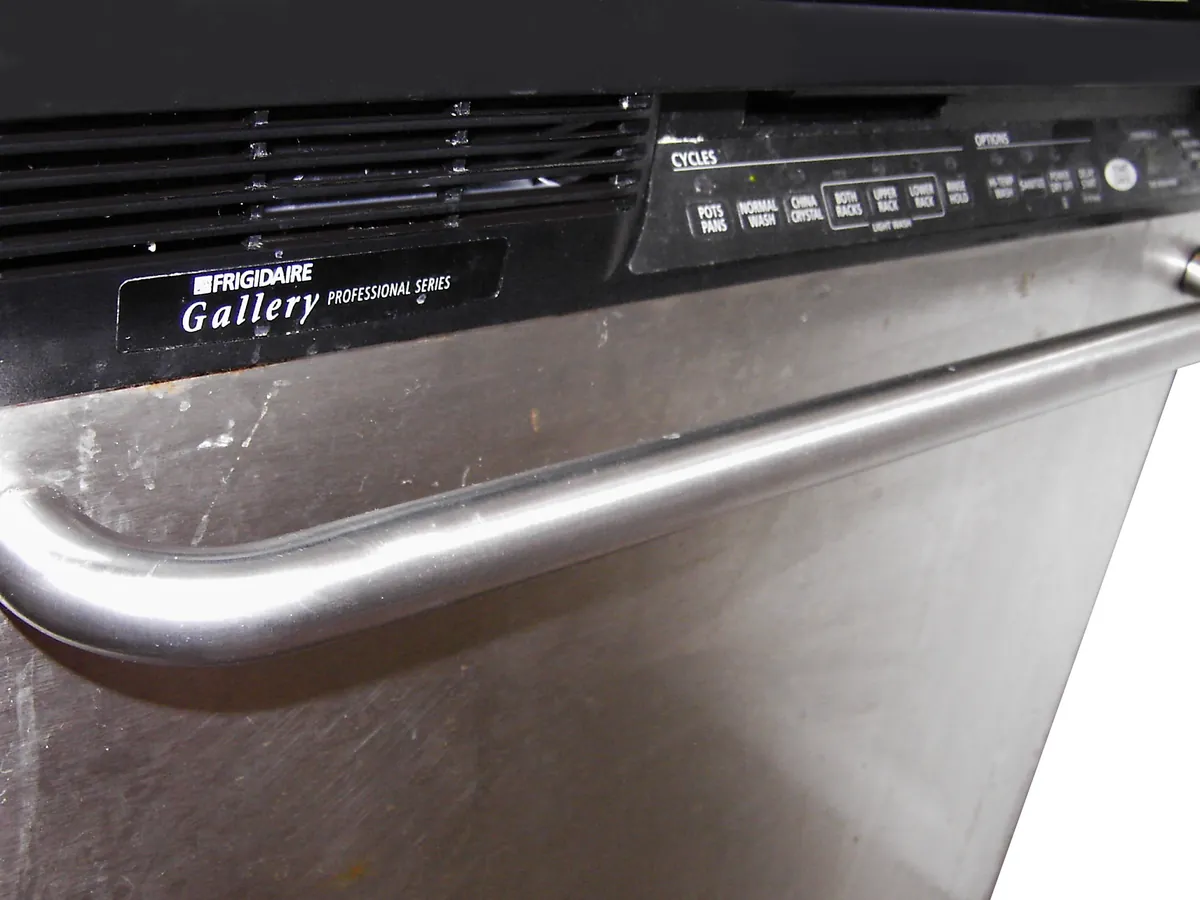
Standing water, cloudy glasses, leaks at the door and racks that come out wet.
More on Dishwasher Repair →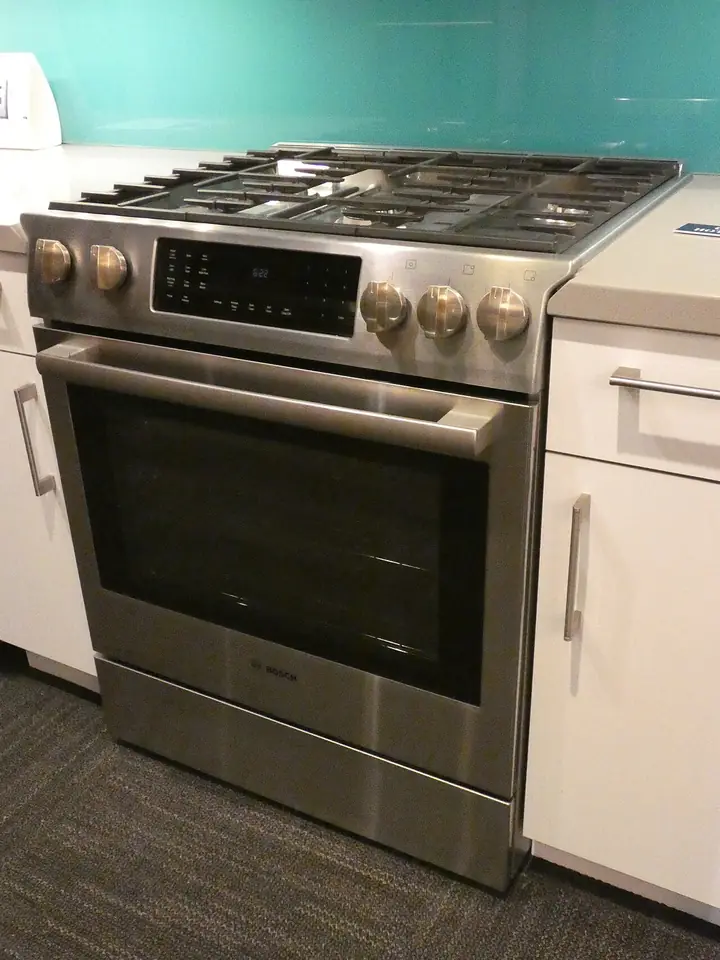
Ovens that run cold or hot, igniters that click without lighting, and dead surface burners.
More on Oven and Stove Repair →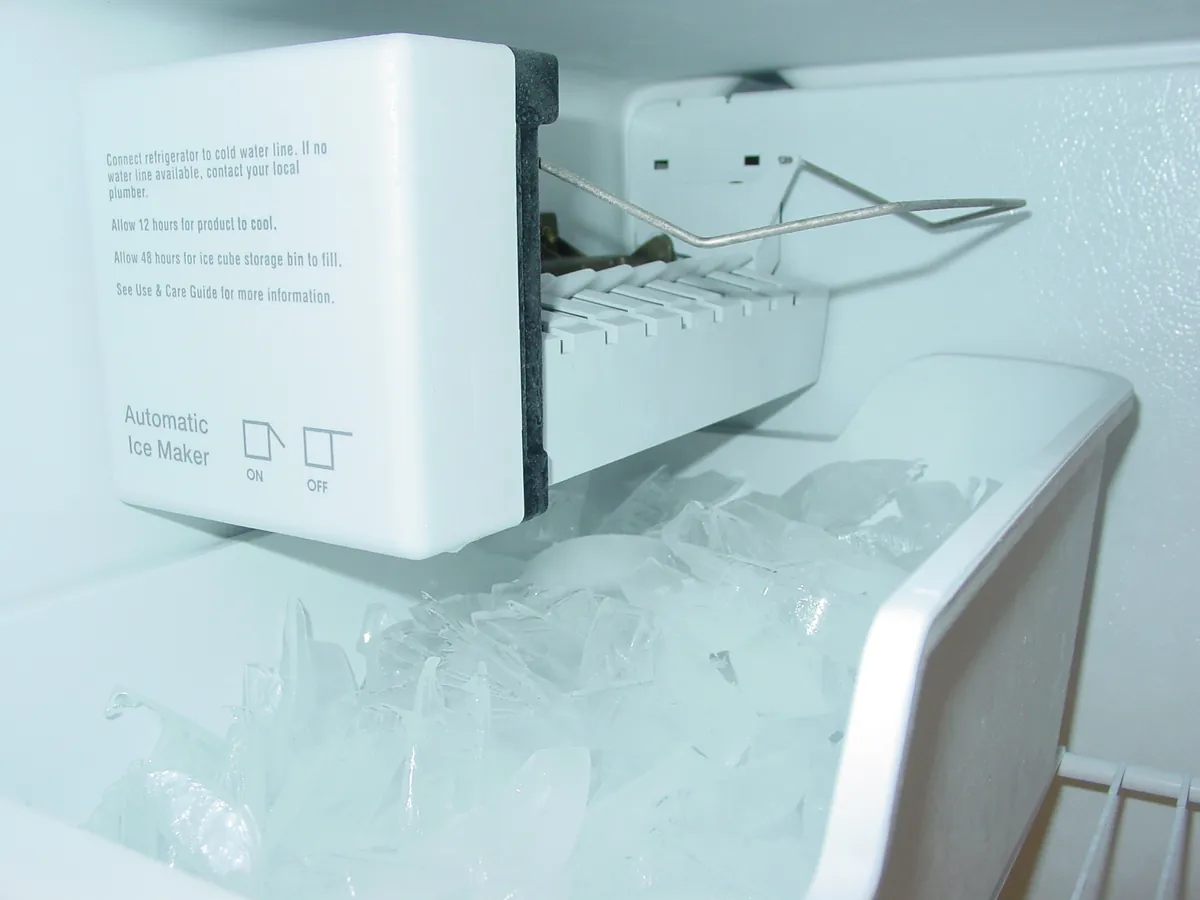
Built-in and freezer ice makers that stop filling, freeze up, leak or make hollow cubes.
More on Ice Maker Repair →Waialua carries some of the oldest homes on this coast. Its median build year is 1965, 28 percent of units date from the 1950s, 58 percent predate 1970, and half of all units have three bedrooms. Haleiwa is different again: 10 percent of its units sit in buildings of 50 or more, and 102 units, about 5 percent, lack complete kitchen facilities. So a visit can mean a 1950s laundry porch one hour and a compact kitchen in an apartment block the next.
Renting is common, at 45 percent of occupied homes across ZIP 96712, and 9 percent of units there are held for seasonal use. Mokuleia has 114 such units and Pupukea 209. When the owner lives elsewhere, a property manager usually books the visit and approves the estimate, and a machine that sat idle for weeks may show faults that a daily-use one would not.
Source: ACS 2020-2024 five-year tables for the Haleiwa, Waialua, Pupukea and Mokuleia census places and ZCTA 96712, via Census Reporter
Sources: NOAA NCEI 1991-2020 normals, Waimea Valley station; Census ACS 2020-2024 tables for ZCTA 96712 and the Waialua census place
Wahiawa and Mililani sit up the slope to the south, and Kahuku and Laie lie east around the point. From there the route runs on to town, the windward towns and the leeward side.