
Refrigerator Repair
Warm sections, frost walls, leaks and noisy fans on top-freezer, side-by-side and built-in units.
More on Refrigerator Repair →More than half of the homes in the Aiea census area went up in just two decades, the 1950s and the 1960s. Kitchens and laundry corners of that age hold modern machines on old valves, old drains and old circuits, and that shapes almost every visit.
Figures: Aiea CDP, Census ACS 2020-2024 five-year release; ridge rain from NOAA NCEI 1991-2020 normals, station at about 780 ft
Mostly the age of the houses, then the rain up the slope. The Census ACS 2020-2024 estimate puts the median home here at 1967, with 59 percent of units built before 1970, so a new washer often hangs off a valve nobody has turned in decades. The houses are big for Oahu too: 43 percent have four or more bedrooms and households average 3.11 people, which means full laundry rooms and hard-working fridges. Higher up, the Aiea Heights gauge at about 780 ft logs 56.86 inches of rain a year over 119.4 wet days. Damp air like that keeps metal from ever drying out.
The route takes in all four neighborhoods of the Aiea Neighborhood Board, from Halawa Stream west to the ridge above Waiau. Each one brings a different kind of home to the door.
The eastern edge of the board area, where hillside streets climb from the stream toward the Koolau.
The old core and the slope above it, mostly detached houses from the 1950s and 1960s.
The condo towers of the board area, where building rules set the work hours and the access.
The western side up to Kaahumanu Street, with larger family homes on the ridge.
Navy family housing on the bay shore, where repairs normally go through the housing office.
| What to compare | The census area | Whole 96701 ZIP |
|---|---|---|
| Housing units | about 3,117 | about 15,276 |
| Share in towers of 20+ units | 2 percent | 23 percent, mostly the Pearlridge and Waimalu towers |
| Median year built | 1967 | 1975 |
| Usual laundry setup | full-size pair in a garage, carport or utility room | a mix, with stacked units and shared exhaust in the towers |
| First thing checked | the house side: valve, drain, breaker | the building side: rules, risers, access |
The six machines island kitchens and laundry rooms lean on hardest, each with its own page on causes, parts and cost.
Warm sections, frost walls, leaks and noisy fans on top-freezer, side-by-side and built-in units.
More on Refrigerator Repair →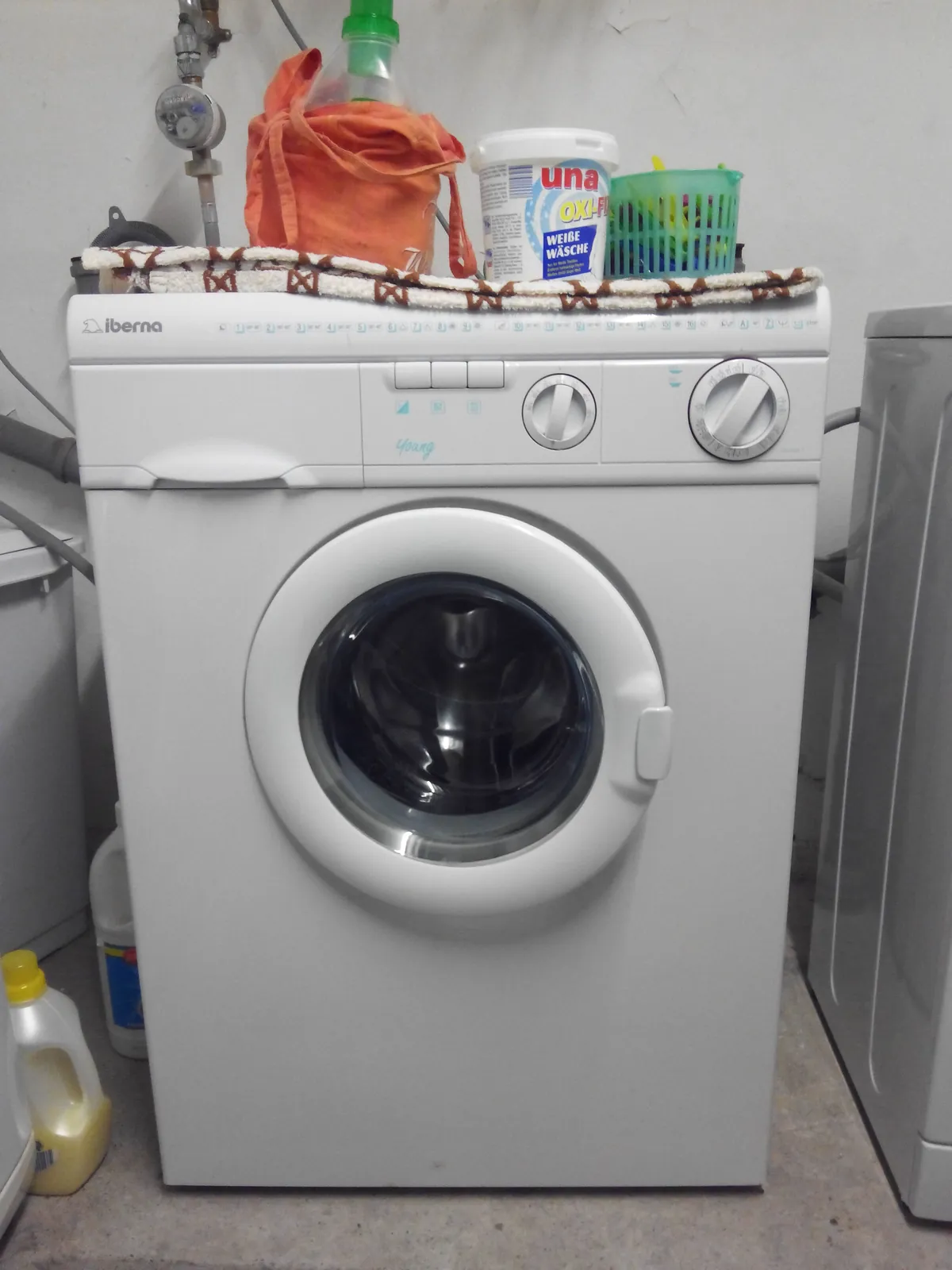
Top-load and front-load washers that will not drain, spin, fill or stop walking across the floor.
More on Washer Repair →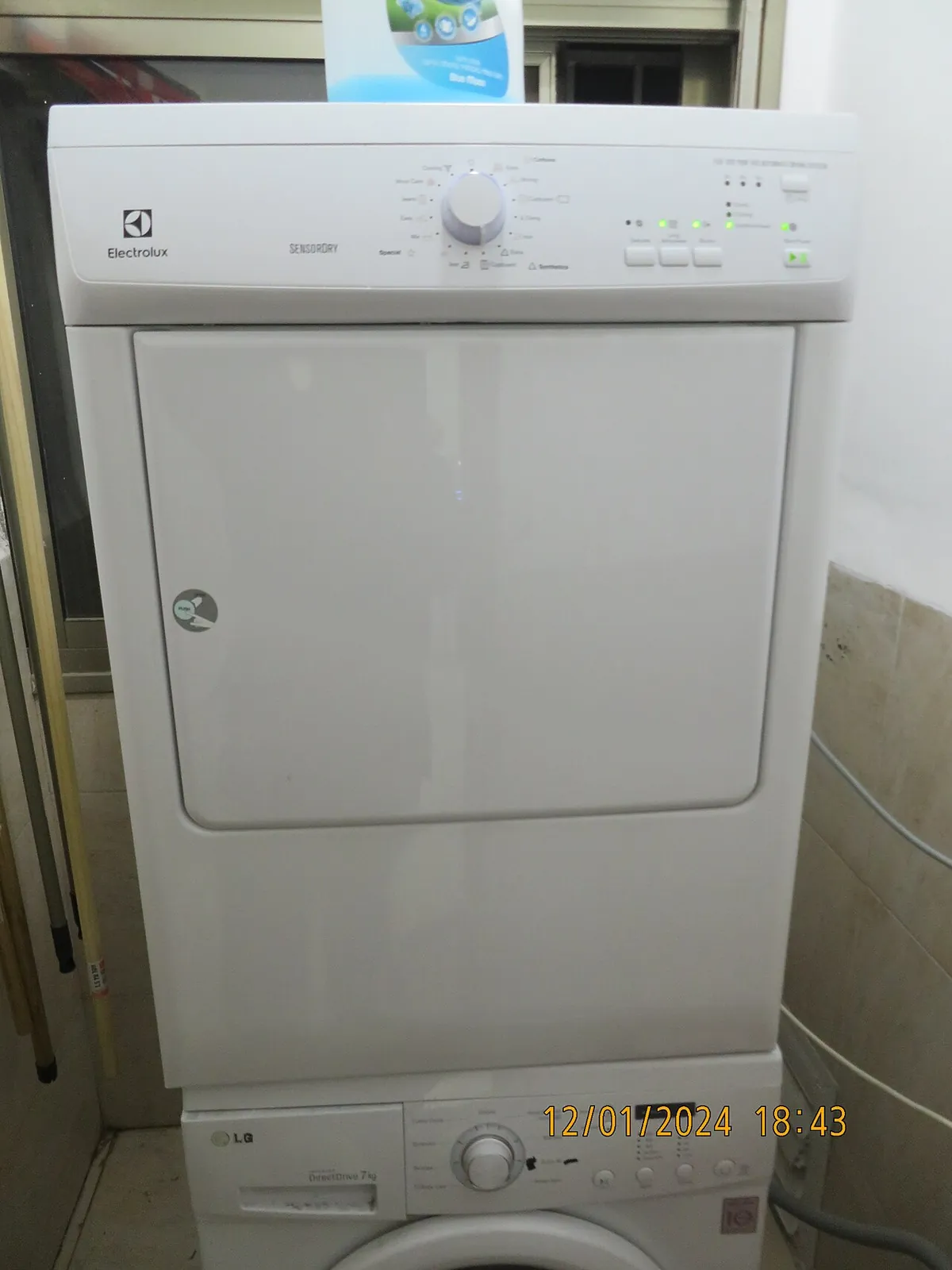
Gas and electric dryers that tumble cold, squeal, stop mid-cycle or never start at all.
More on Dryer Repair →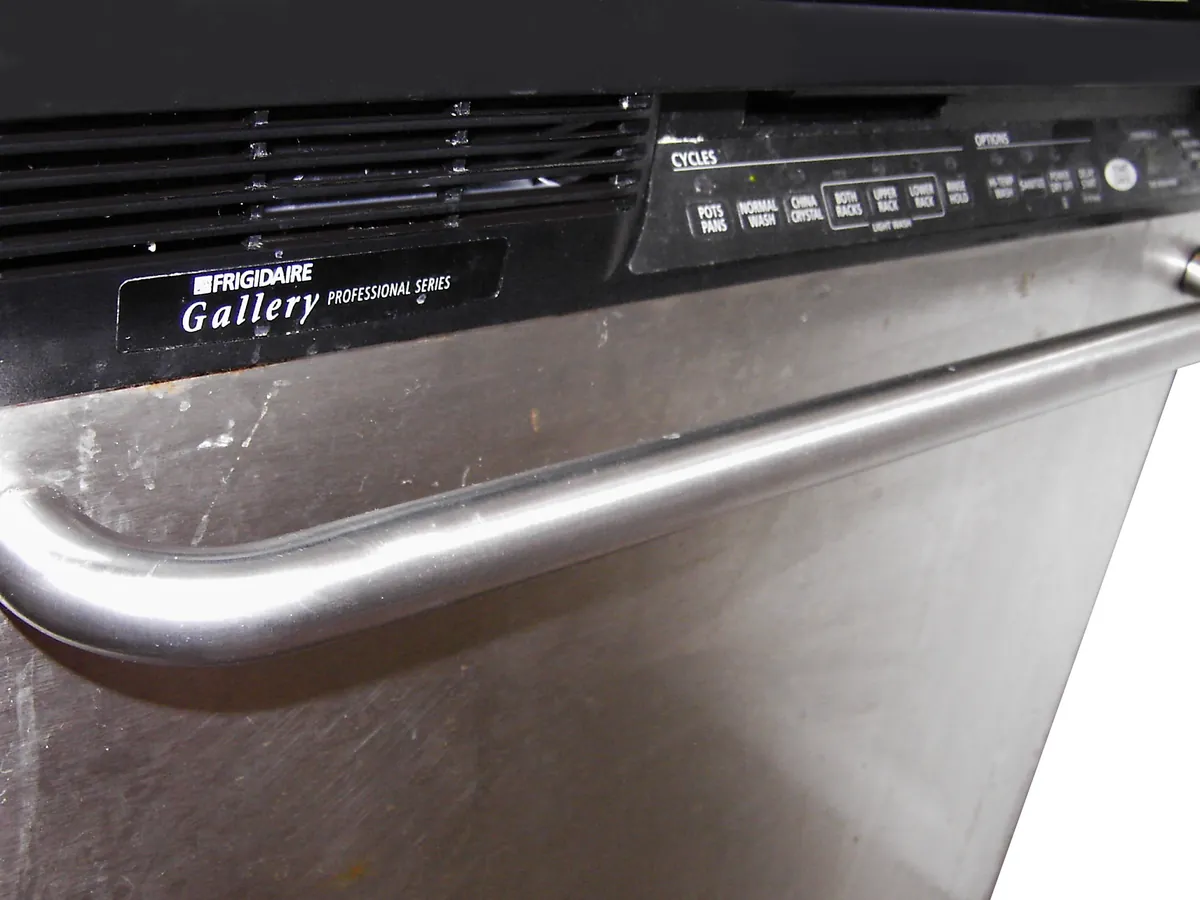
Standing water, cloudy glasses, leaks at the door and racks that come out wet.
More on Dishwasher Repair →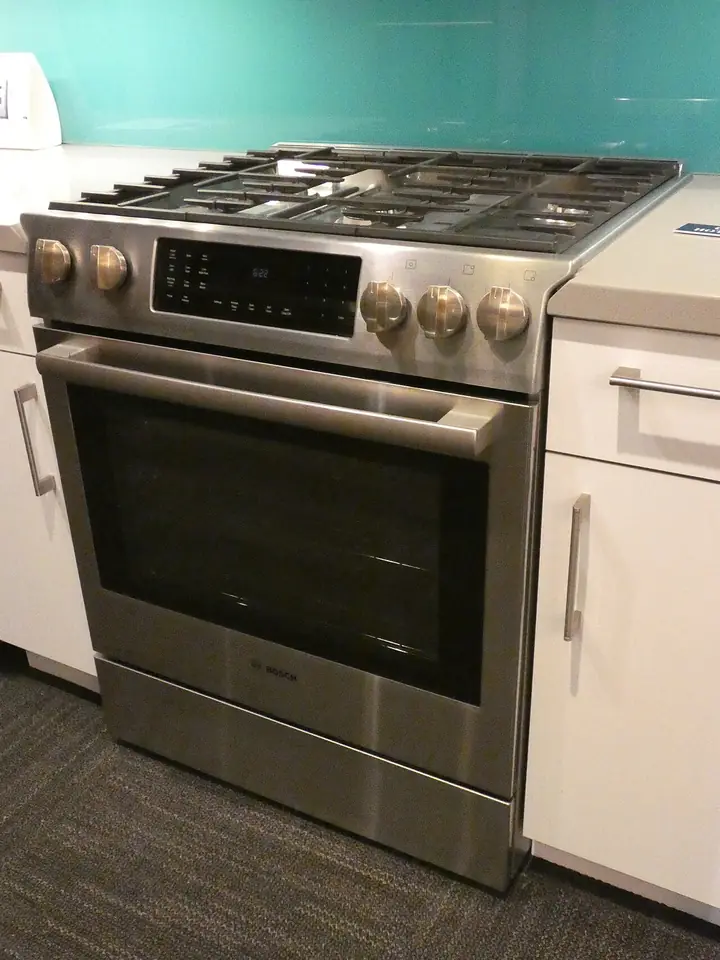
Ovens that run cold or hot, igniters that click without lighting, and dead surface burners.
More on Oven and Stove Repair →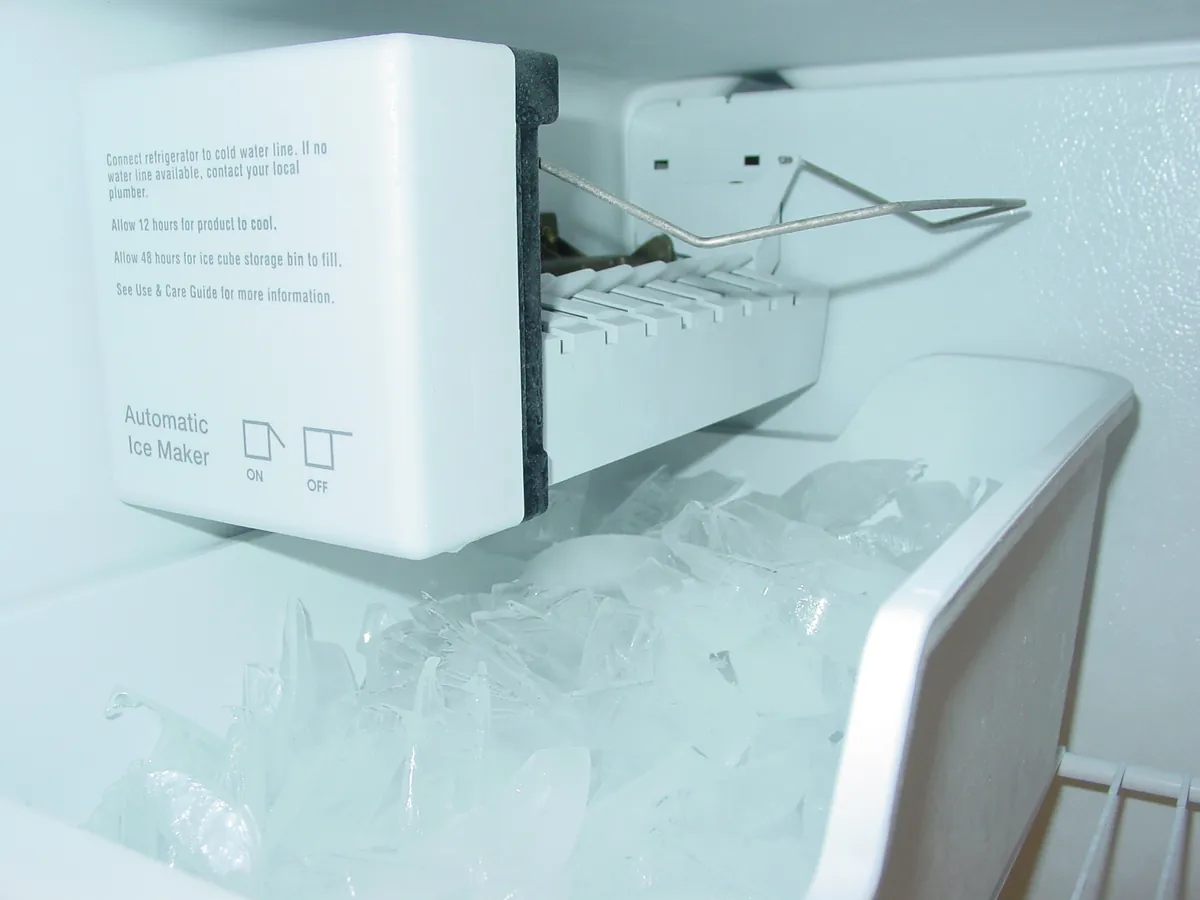
Built-in and freezer ice makers that stop filling, freeze up, leak or make hollow cubes.
More on Ice Maker Repair →Even the dry season is not dry up the hill: the ridge normal is 11.60 inches for June to August and 15.61 for December to February. Line drying is a gamble, so the dryer carries the load. When an electric dryer tumbles but stays cold, check the breakers first. It runs on 240 volts with two breakers, and one tripped leg turns the drum with no heat. When a dryer finally needs replacing, ENERGY STAR says heat pump models use about 70 percent less energy, and the biggest savers are homes that dry a lot and pay high rates.
Pearl City and Waipahu are the next stops west along the harbor, with Mililani up the H-2. Visits also run to Kapolei and Ewa Beach, over to Kaneohe and Kailua, and out to the Waianae coast and North Shore.