
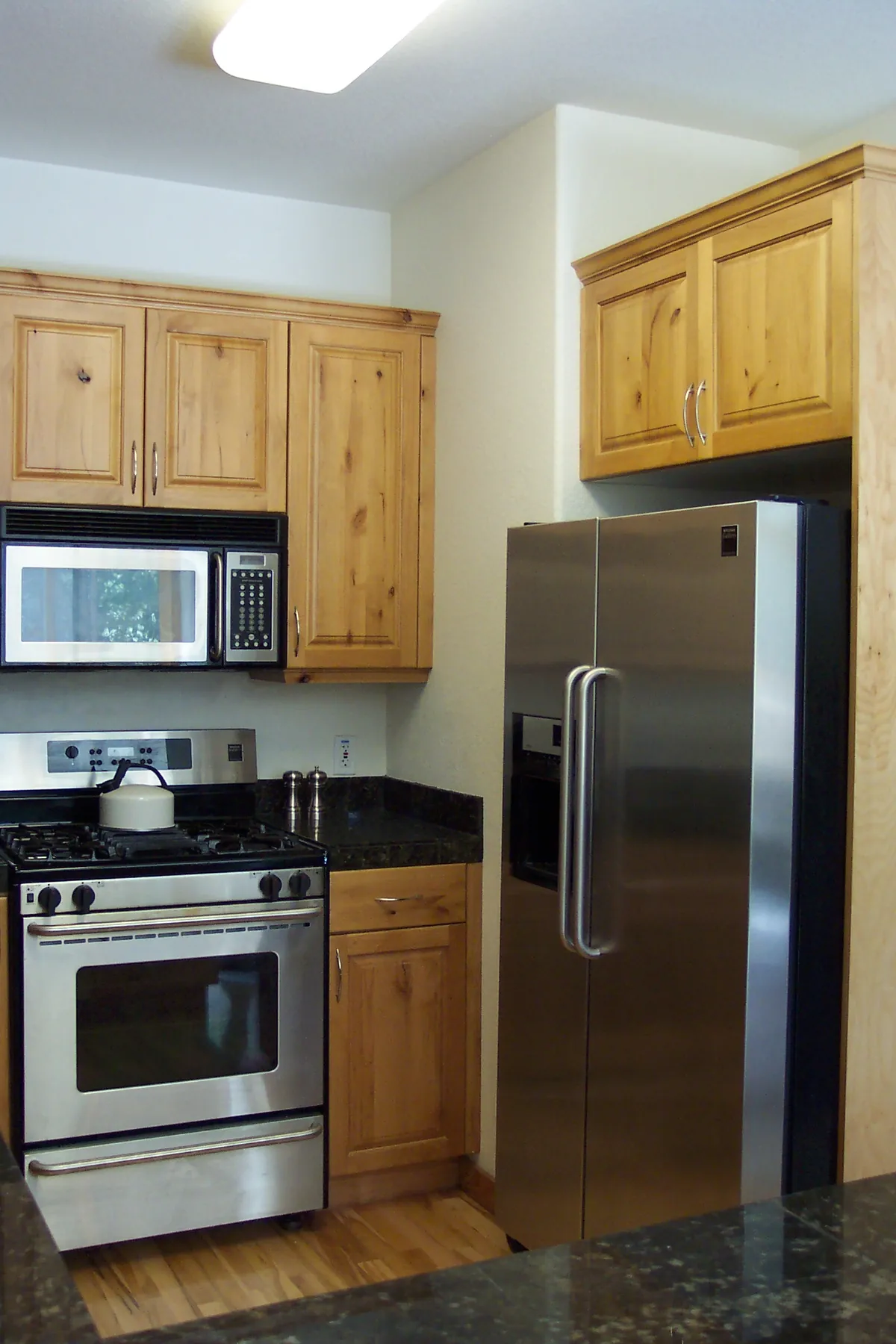
Refrigerator Repair
Warm sections, frost walls, leaks and noisy fans on top-freezer, side-by-side and built-in units.
More on Refrigerator Repair →At about 1,006 ft, the Upper Wahiawa station records 64.08 inches of rain a year over 127.5 wet days. The houses are old as well: owner-occupied homes here have a median build year of 1959.
Appliances in Wahiawa wear the way they do because of three local facts. The plateau is wet, with 127.5 days a year of a tenth of an inch of rain or more at the upland station, so a shut front-loader or an unvented laundry room dries slowly. The houses are old: 59 percent of units predate 1970 and 15 percent predate 1950, per the Census ACS 2020-2024 estimate. And 46 percent of occupied homes are rented, so a landlord often signs off on the repair. One thing works in your favor. Central Oahu showed the lowest salt deposition on the island in the UH chloride study, so salt is a smaller worry here than on the coasts.
Clothes lines are a gamble, so the dryer carries more of the load and its vent has to stay clear.
Only 0.5 days a year reach 90 F, so heat rarely strains a fridge here. Damp is the bigger issue.
GE says fridge cooling suffers below 60 F, so a carport or garage fridge sits close to that line on the coldest nights.
EPA wants wet floors and walls dried within 24 to 48 hours, and in upland air that usually takes fans.
The six machines island kitchens and laundry rooms lean on hardest, each with its own page on causes, parts and cost.
Warm sections, frost walls, leaks and noisy fans on top-freezer, side-by-side and built-in units.
More on Refrigerator Repair →
Top-load and front-load washers that will not drain, spin, fill or stop walking across the floor.
More on Washer Repair →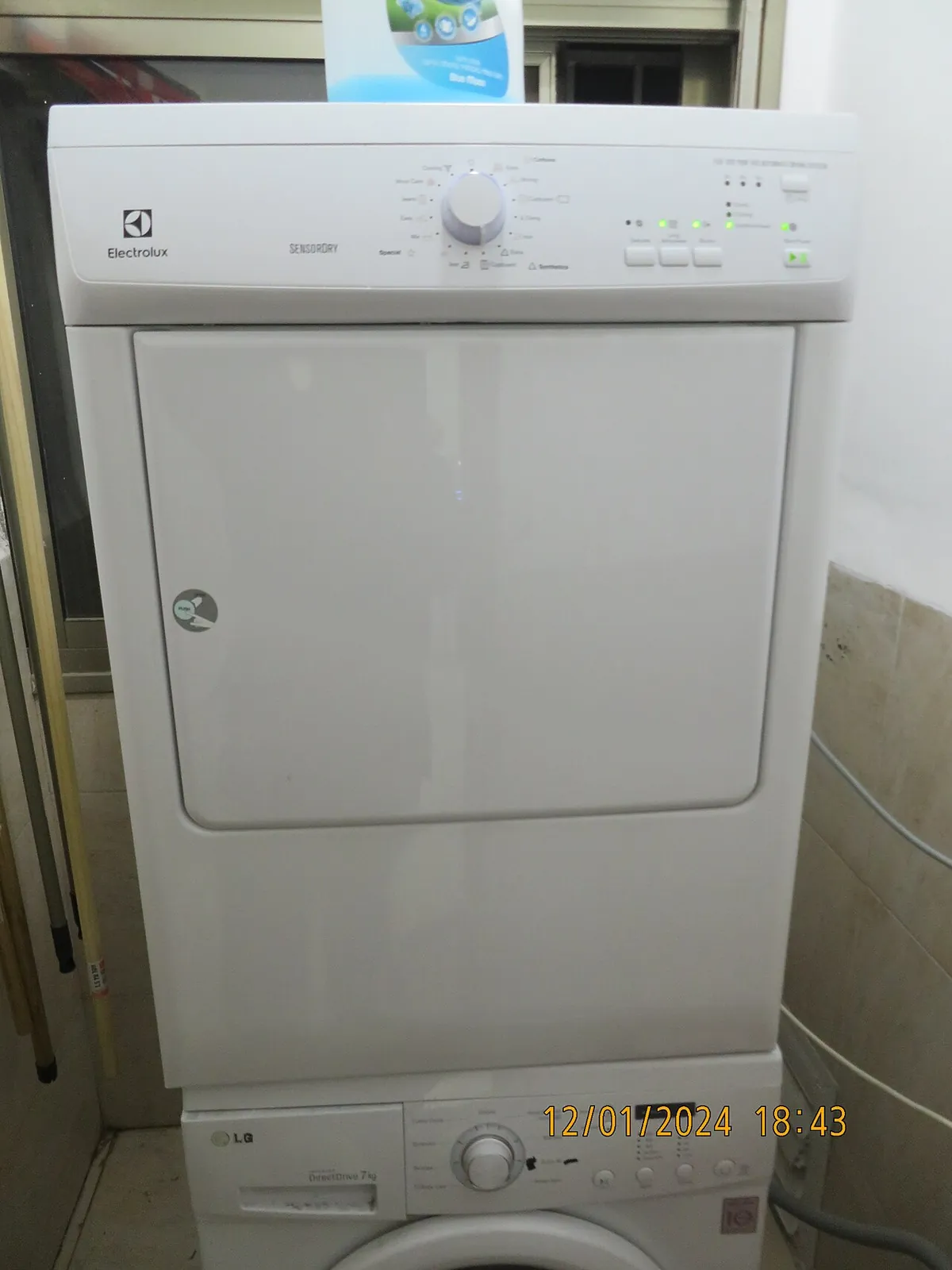
Gas and electric dryers that tumble cold, squeal, stop mid-cycle or never start at all.
More on Dryer Repair →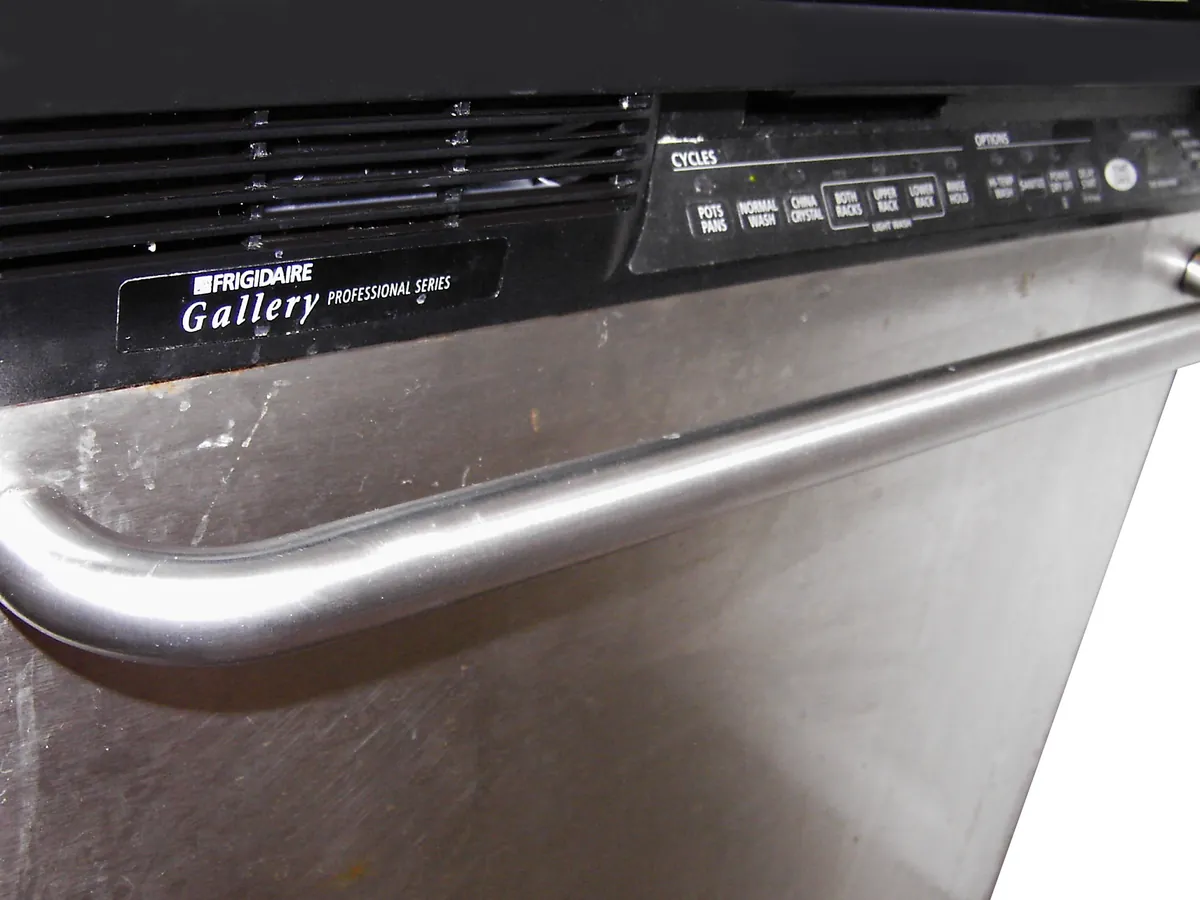
Standing water, cloudy glasses, leaks at the door and racks that come out wet.
More on Dishwasher Repair →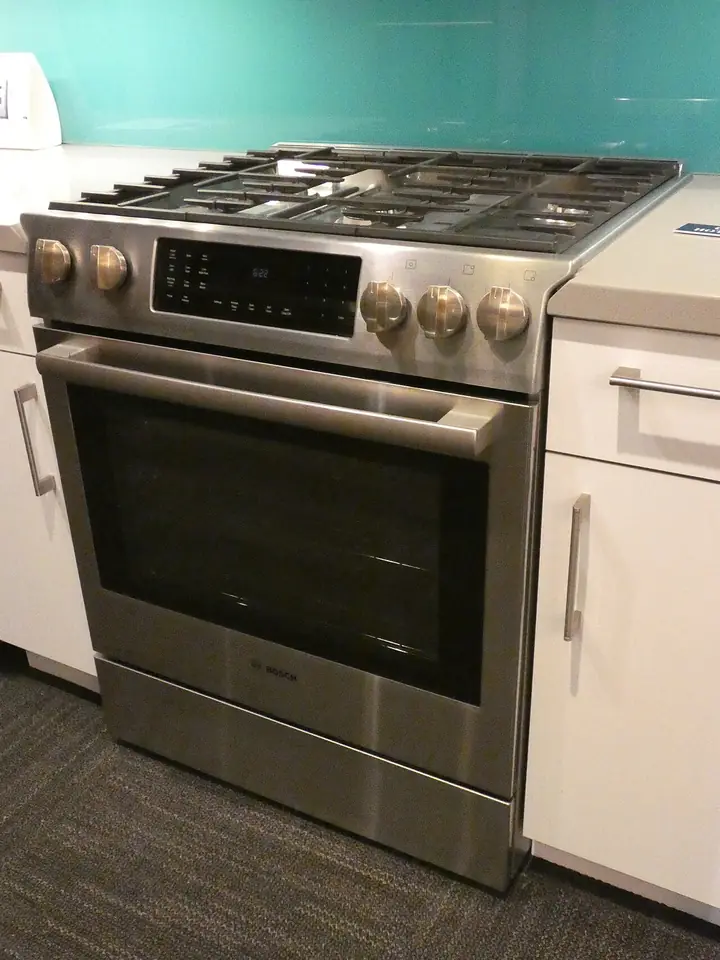
Ovens that run cold or hot, igniters that click without lighting, and dead surface burners.
More on Oven and Stove Repair →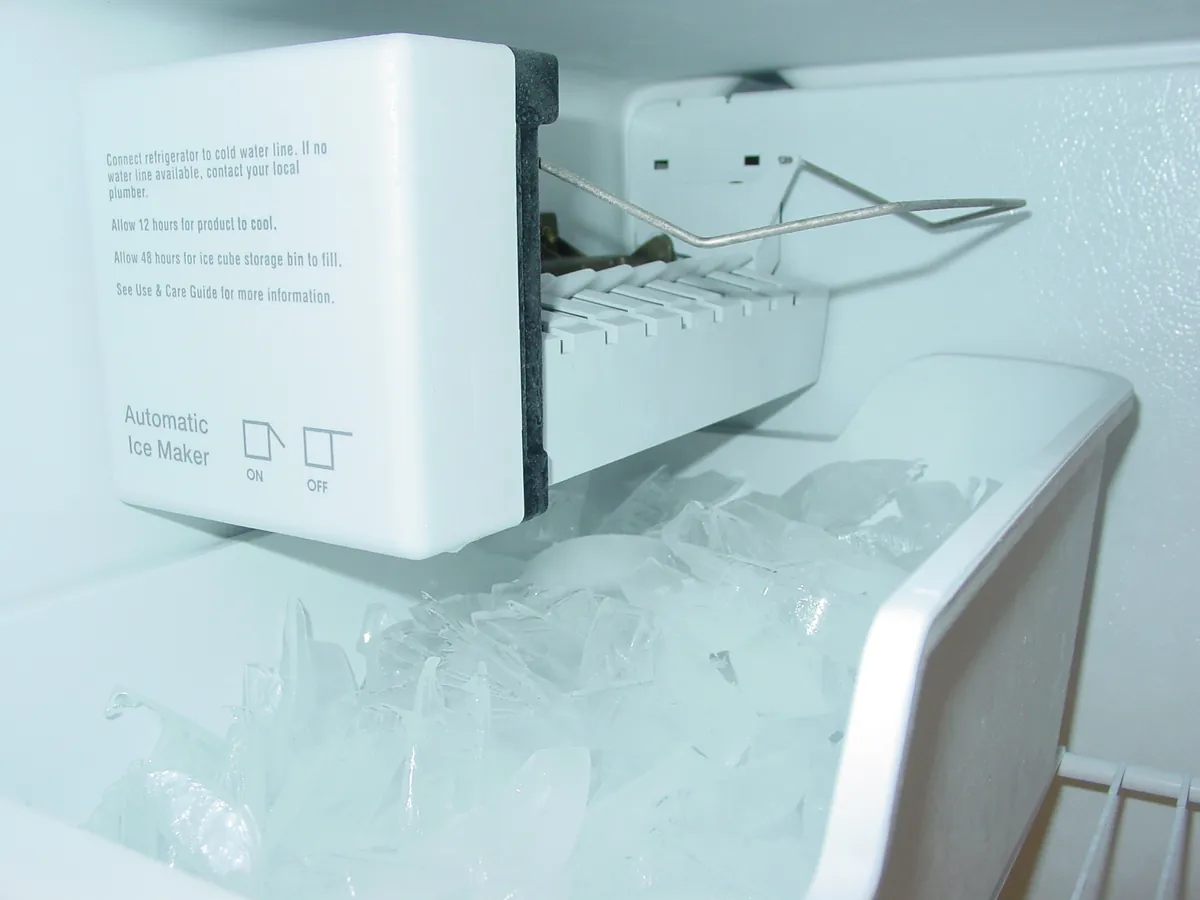
Built-in and freezer ice makers that stop filling, freeze up, leak or make hollow cubes.
More on Ice Maker Repair →| Measure | Wahiawa town | Whitmore Village |
|---|---|---|
| Homes counted | About 6,736 housing units in the town | About 1,026 units, a much smaller place |
| Built before 1950 | 15 percent of units, 8 percent before 1940 | 17 percent of units, a slightly older core |
| Rented or owned | 46 percent of occupied homes rented | 75 percent owner-occupied |
| People per home | 2.93 on average, but 2.40 in rentals and 3.38 in owned homes | 4.24 on average, well over four people a home |
| What it means for laundry | Smaller rental households, landlord approvals | Big households and washers that run many cycles a week |
The whole 96786 ZIP area is covered, from the old town to the Army posts and the village to the north of it. Across all of its parts, 69 percent of occupied homes are rented and 31 percent of units are single attached, so duplex and row housing is a big share of the calls.
About 6,736 homes, 59 percent detached, with a median build year of 1965 and many pre-war houses.
A smaller owner-run community where households average more than four people.
About 3,991 homes, all rented, mostly duplex and row style, and 54 percent built in 2000 or later.
The airfield housing and the northern edge of the ZIP, both on the same central route as the town itself.
The board's western edge, running down Kunia Road to the Schofield boundary.
Mililani lies just south, with Haleiwa and Waialua down the slope to the north and Kunia and Waipahu below to the southwest. Past those, the route reaches town, the windward coast and the Ewa plain.