
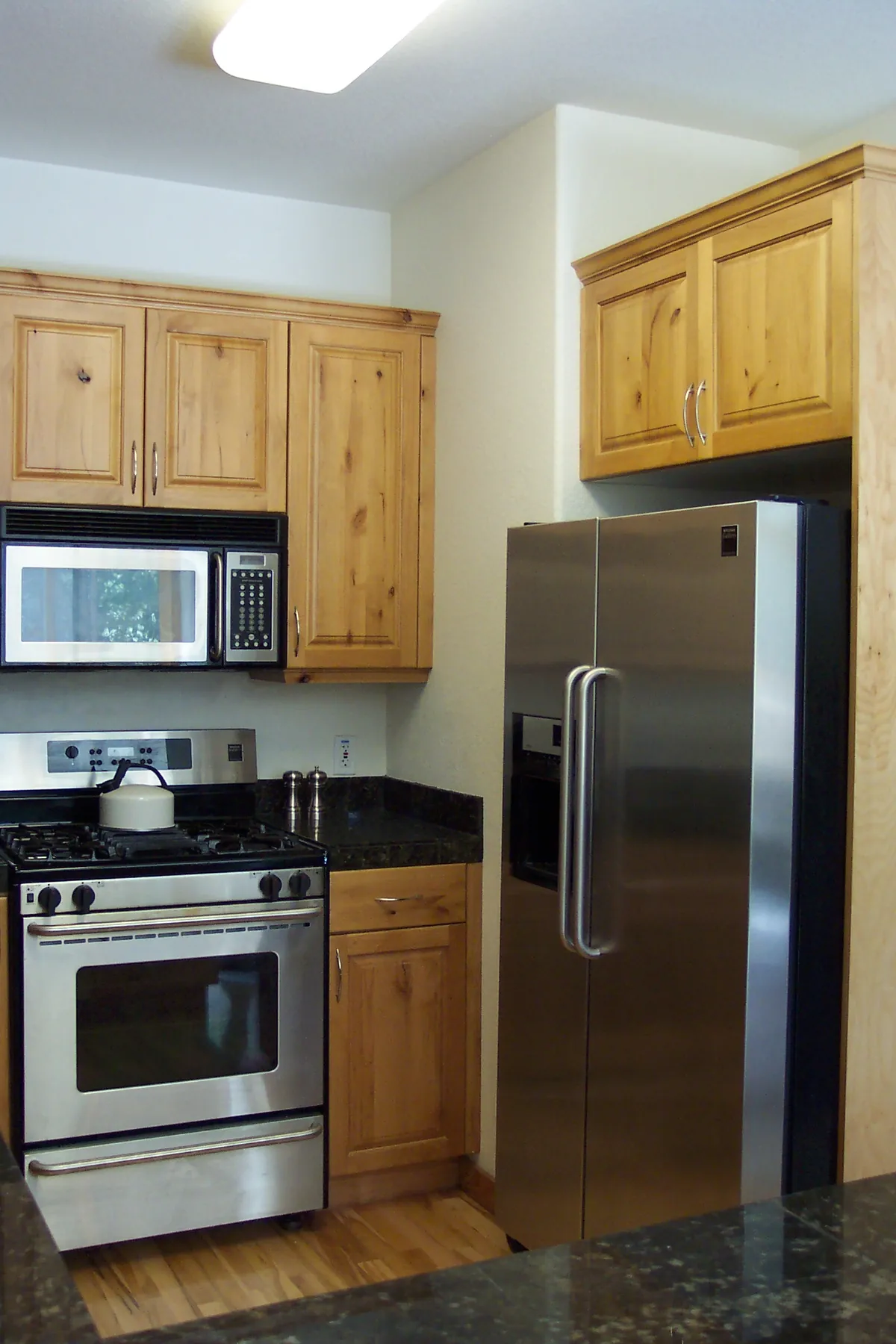
Refrigerator Repair
Warm sections, frost walls, leaks and noisy fans on top-freezer, side-by-side and built-in units.
More on Refrigerator Repair →In its washer and dryer models, the U.S. Department of Energy assumes a repair instead of a replacement adds about 5 years of life. That federal working figure is a better starting point than any rule of thumb.
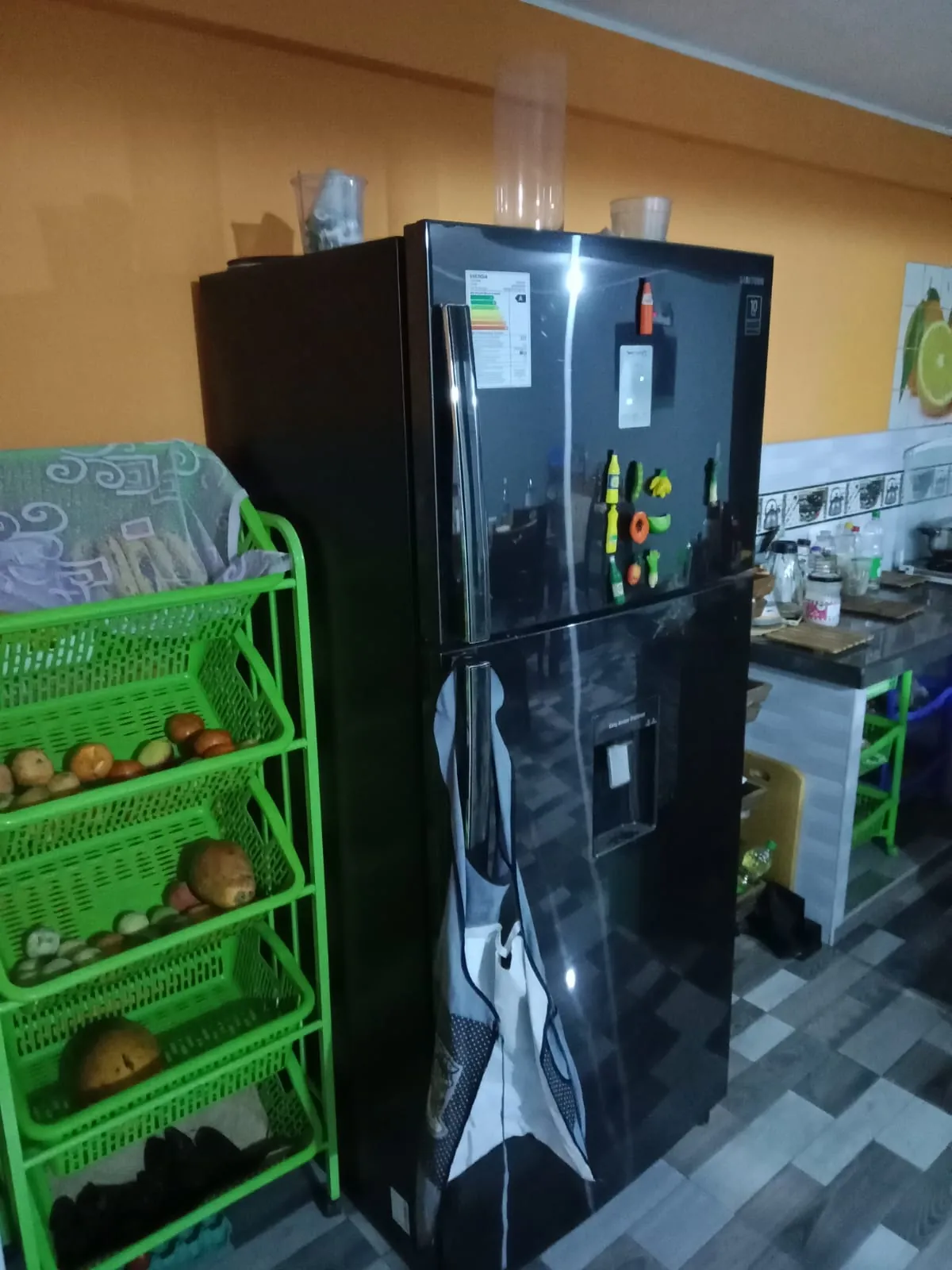
| The question | Points toward repair | Points toward replacing |
|---|---|---|
| Age against the DOE average | Well under 14.3 years for a full-size fridge | At or past it, with a major part failing |
| Which part failed | A fan, gasket, damper, defrost part or water valve | The sealed system on a unit near the end of its life |
| Energy use | A newer, efficient model | Over 15 years old, which ENERGY STAR flags |
| Recall status | An open recall: use the remedy, at no charge | No bearing either way |
| Second fridge in the garage | Worth it if it is young and efficient | An old spare runs all year on island power |
Most full-size kitchen and laundry appliances last roughly 13 to 17 years on the DOE averages below. Averages with wide spreads, not promises.
| Appliance | DOE average life | Related figure | Energy change cited | Hawaii angle |
|---|---|---|---|---|
| Refrigerator | 14.3 years | Compact 8.8 years; freezer 18.4 | New units use about a quarter of a 1973 model's energy | 39 percent of Hawaii homes run two or more |
| Clothes washer | 13.4 years | A repair adds about 5 years in DOE's model | 70 percent less energy since 1990 | 83 percent of Hawaii homes have one |
| Clothes dryer | 14 years | A used dryer has about 7 years left | Heat pump models use about 70 percent less | High power rates favor efficient drying |
| Dishwasher | 15.2 years | Based on shipments and housing surveys | More than 40 percent less since 1990 | Water has tested soft to moderately hard |
| Range or oven | 14.5 years gas, 16.8 electric | Partly built on AHAM useful-life data | New federal rule from January 31, 2028 | 85 percent of Hawaii homes cook electric |
Electricity here costs far more than on the mainland, so an inefficient old machine costs more to keep. EIA put Hawaii's July 2026 residential price at 48.00 cents per kWh against a U.S. average of 18.31, about 2.6 times as much, and the Hawaii figure rose about 22 percent in a year. ENERGY STAR says a fridge older than 15 years uses roughly 20 percent more energy than an ENERGY STAR model. Its Flip Your Fridge calculator lets you enter a state rate, so a Honolulu owner can price that gap with the real number. The same logic hits the spare fridge in the garage hardest.
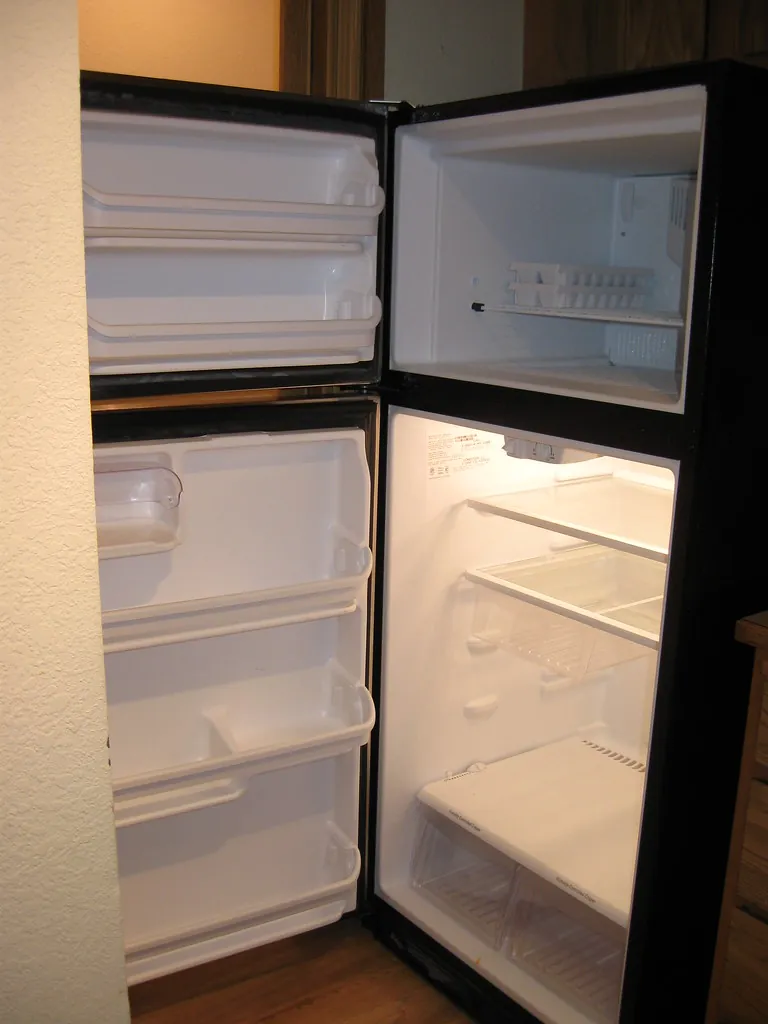
Send the brand, model and serial number. The serial often reveals the build year, which tells us where the unit sits against the DOE average.
The failed part is found and named, and the written estimate shows what the repair involves before you commit to anything.
You weigh the estimate against age and running cost. If replacing wins, nothing further is ordered and the repair stops there.
A repair is fitted and tested through a full cycle. A retired unit goes through the City and County of Honolulu appliance routes, never the curb without an appointment.
The point of a diagnosis is a decision, not a sale. No published rule says when a repair costs too much. No percentage formula, either. What exists is the DOE life data, the Honolulu power price and the name of the part that failed. You get all three in plain words, and then the call is yours, whichever way it goes.
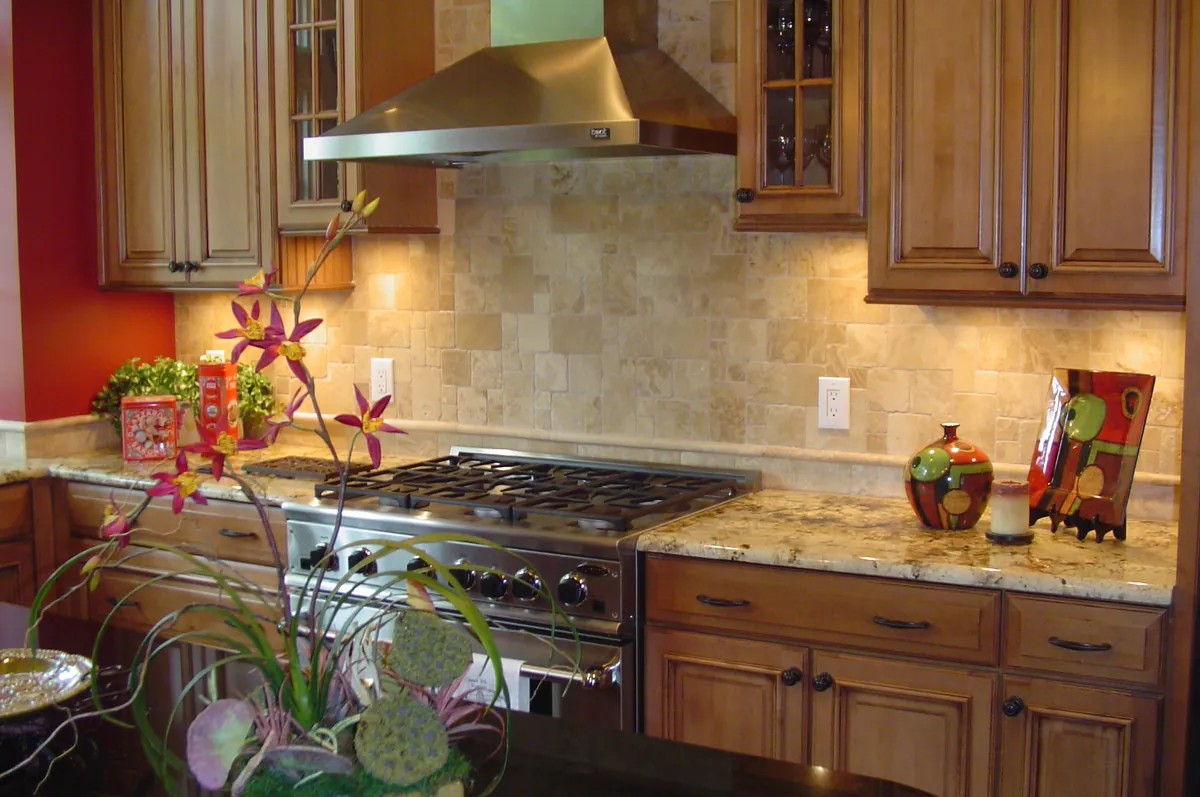
The six machines island kitchens and laundry rooms lean on hardest, each with its own page on causes, parts and cost.
Warm sections, frost walls, leaks and noisy fans on top-freezer, side-by-side and built-in units.
More on Refrigerator Repair →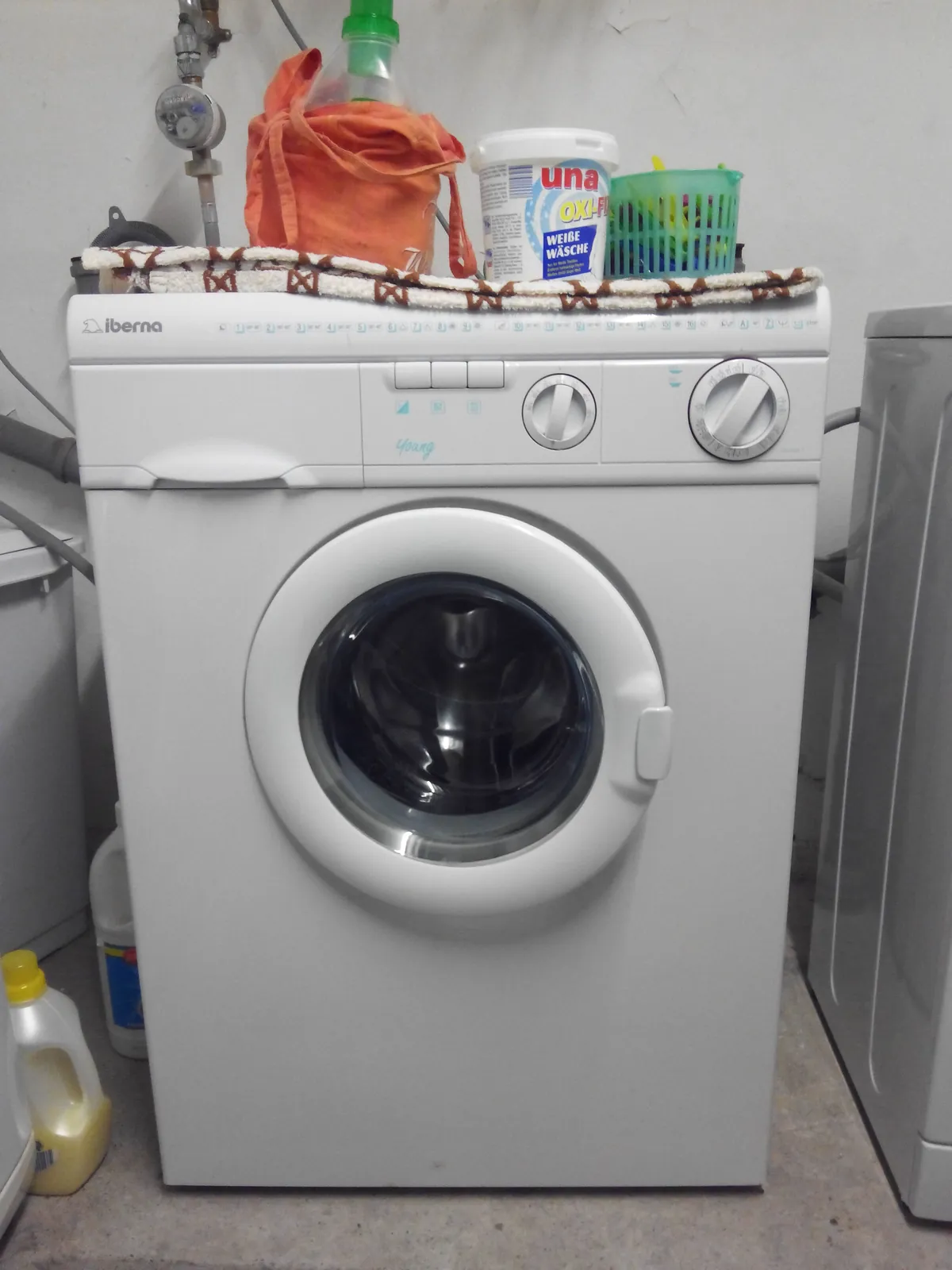
Top-load and front-load washers that will not drain, spin, fill or stop walking across the floor.
More on Washer Repair →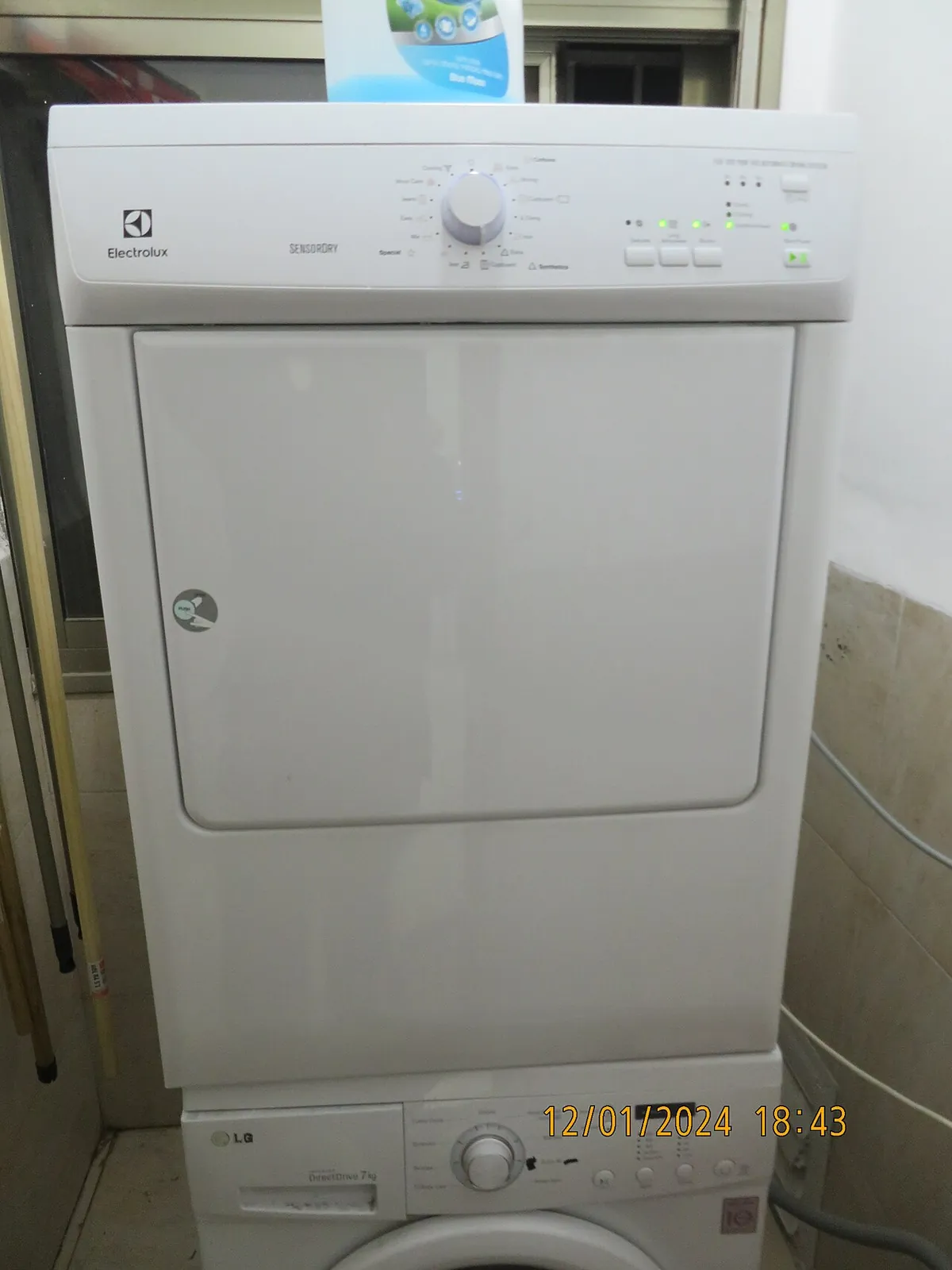
Gas and electric dryers that tumble cold, squeal, stop mid-cycle or never start at all.
More on Dryer Repair →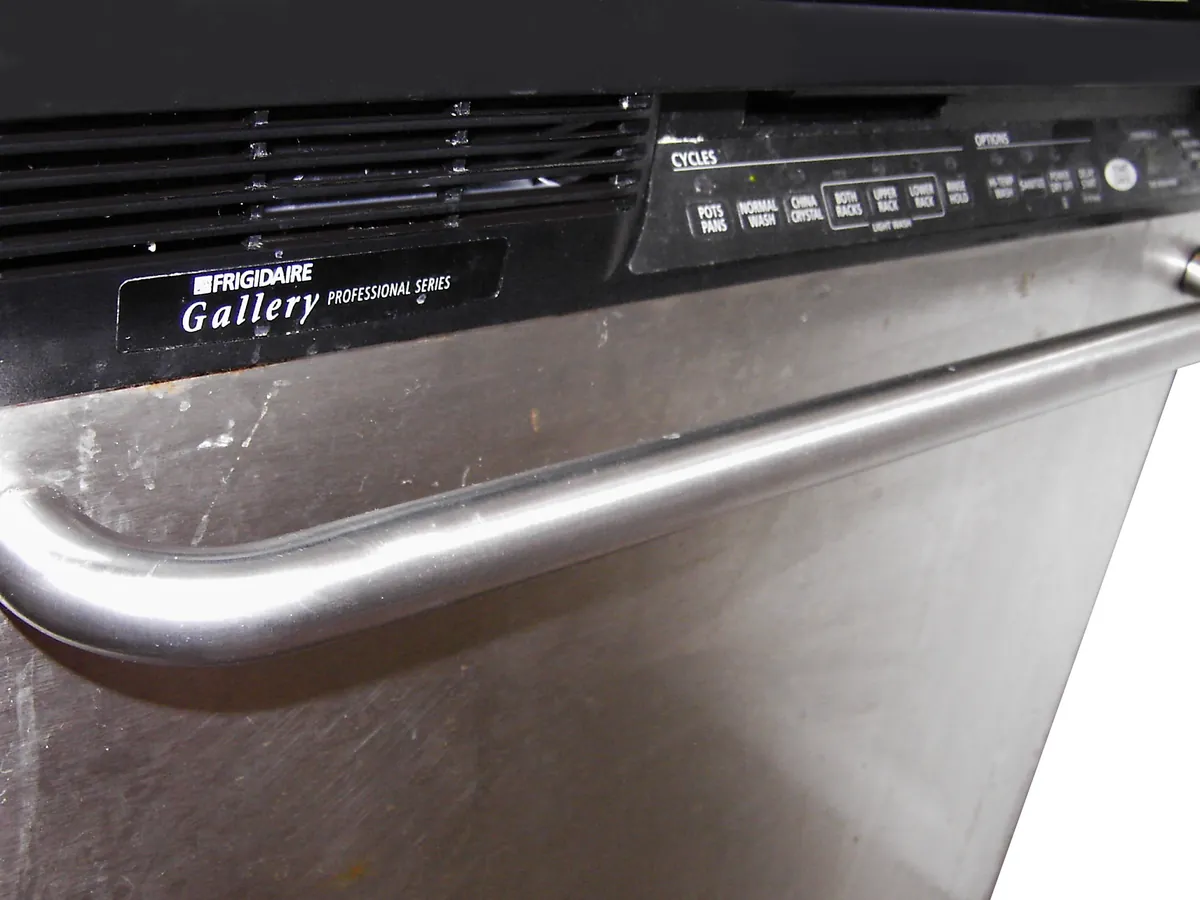
Standing water, cloudy glasses, leaks at the door and racks that come out wet.
More on Dishwasher Repair →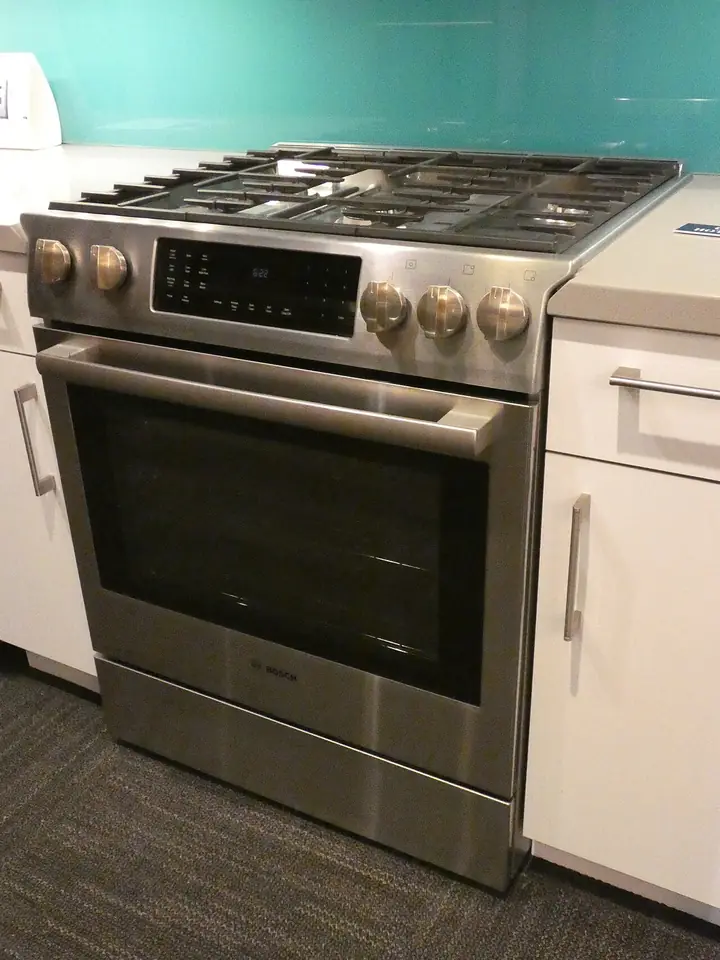
Ovens that run cold or hot, igniters that click without lighting, and dead surface burners.
More on Oven and Stove Repair →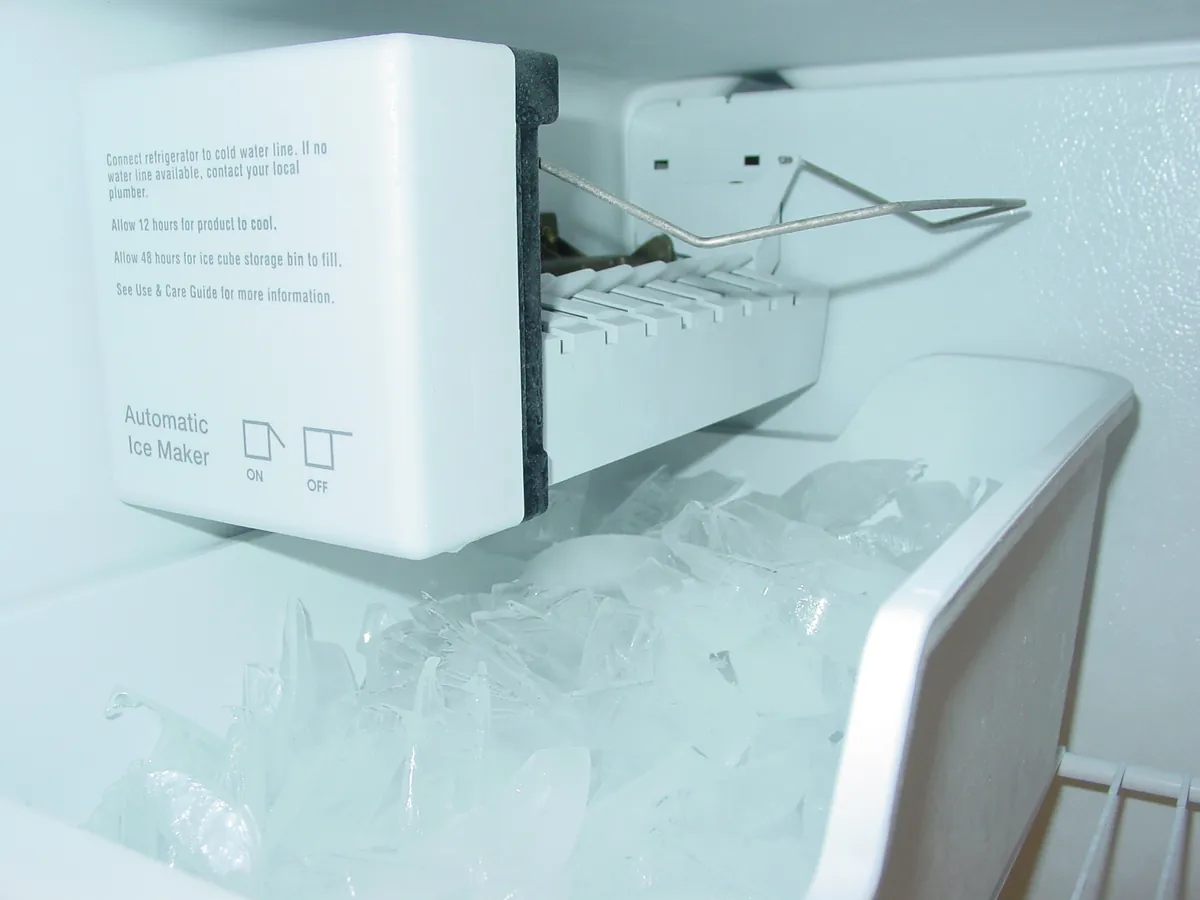
Built-in and freezer ice makers that stop filling, freeze up, leak or make hollow cubes.
More on Ice Maker Repair →