
Washer leaking: trace the water
Water that shows up behind the washer about three-quarters of the way through the spin usually comes from the standpipe, not the machine. GE calls that overflow a house plumbing problem. Watch one load closely before booking a Honolulu repair.
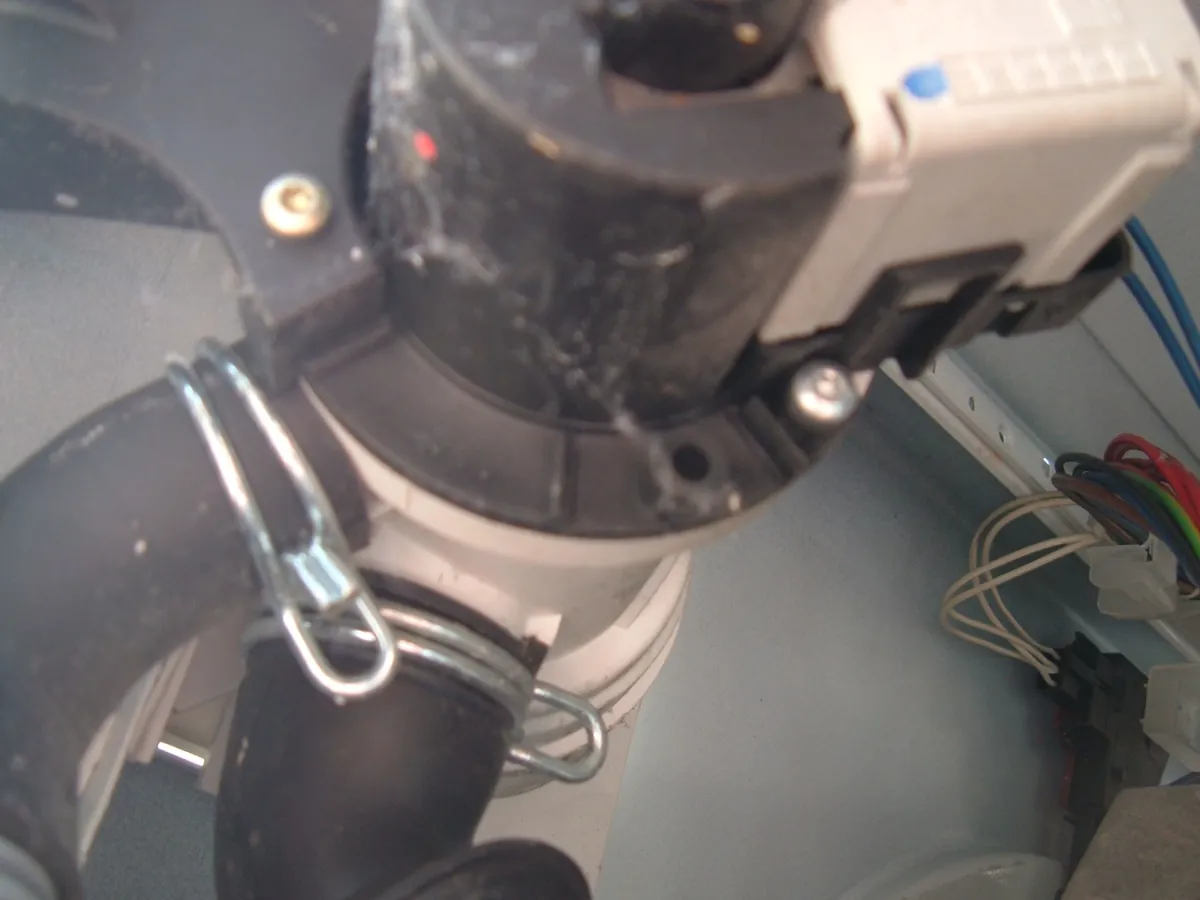
Why is my washing machine leaking?
Where a washing machine is leaking from tells you most. If water is pooling, turn the washer off at its control or breaker instead of pulling the plug while you stand in water, and close both valves. On a front-loader, drips usually come from soil or soap on the door seal, clothes hanging over the drum edge, or a detergent drawer left ajar. A steadier front-load leak often means blocked dispenser ports, sometimes from pods in the drawer. A top-loader wet at the front left is usually its overflow tube catching too many suds. Behind either type, check the hose washers and the standpipe. A leak with no detergent, or water entering while the washer is off, needs a technician.
Where is the water coming from?
| Cause | How you can tell | Owner check or technician job |
|---|---|---|
| Door seal or load over the edge | Front-loader drips at the bottom of the door | Owner fix: wipe the seal, keep the load inside the drum |
| Drawer ajar or ports blocked | Water around the dispenser while it fills; pods were put in the drawer | Owner fix: shut it fully, clean the trays at least monthly, pods go in the drum |
| Too many suds | Top-loader puddle at the front left; a washed cloth swished in hot water clouds it | Owner fix: cut the detergent dose |
| Fill hose washers or hoses | Wet behind the machine near the taps | Owner fix: shut the valves, replace missing or split rubber washers or a worn hose |
| Standpipe | Drain pipe spills late in the spin, or the hose is jammed far down it | Plumbing job if it overflows; pull a jammed hose back up |
| Inside the machine | Top-loader leaks on a no-detergent cycle, or water enters with the power off | Technician job |
Leak numbers to keep in mind
Sources: GE Appliances washer leak pages; EPA mold and moisture guide; USGS Open-File Report 87-721 (data 1969-1985)
Why a leak spreads further in Honolulu condos
In a stacked building, a burst fill hose does not stop at your floor; it reaches the unit below. GE and Whirlpool both put washer fill hoses on a five-year cycle, and GE adds the screens and rubber seals in the hose ends. EPA says wet materials should be dried within 24 to 48 hours to keep mold from starting, a short window in damp Honolulu air. Who may shut off a riser is set by each building's declaration and house rules, so learn yours before you need it.
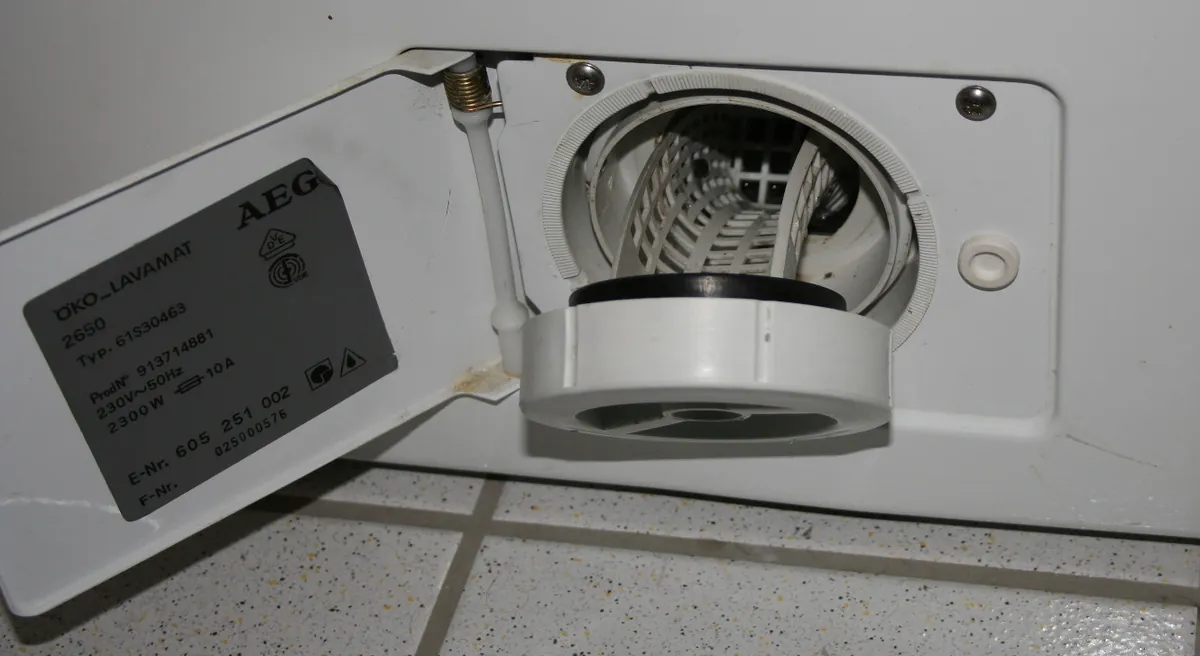
How is a washer leak pinned down?
Make safe
Power is cut at the breaker, the valves are closed and the floor is dried, so the next drop shows exactly where it starts.
Spot check
Front, rear or underneath narrows it fast. On a Honolulu top-loader, a cycle with no detergent separates a suds overflow from a real internal leak.
Hoses and drain
Both fill hoses, their rubber washers and the drain hose are inspected, along with how deep the drain hose sits in the standpipe.
Inside
If the leak is internal, the failed part is found and replaced. An inlet valve that lets water in with the power off is one common example.