
Dryer making noise: which sounds matter
GE treats a quick squeak at start-up as normal. A squeak that only begins once the dryer is hot, or a short chirp that returns every few seconds, is not. Here is how a Honolulu owner can sort one from the other.
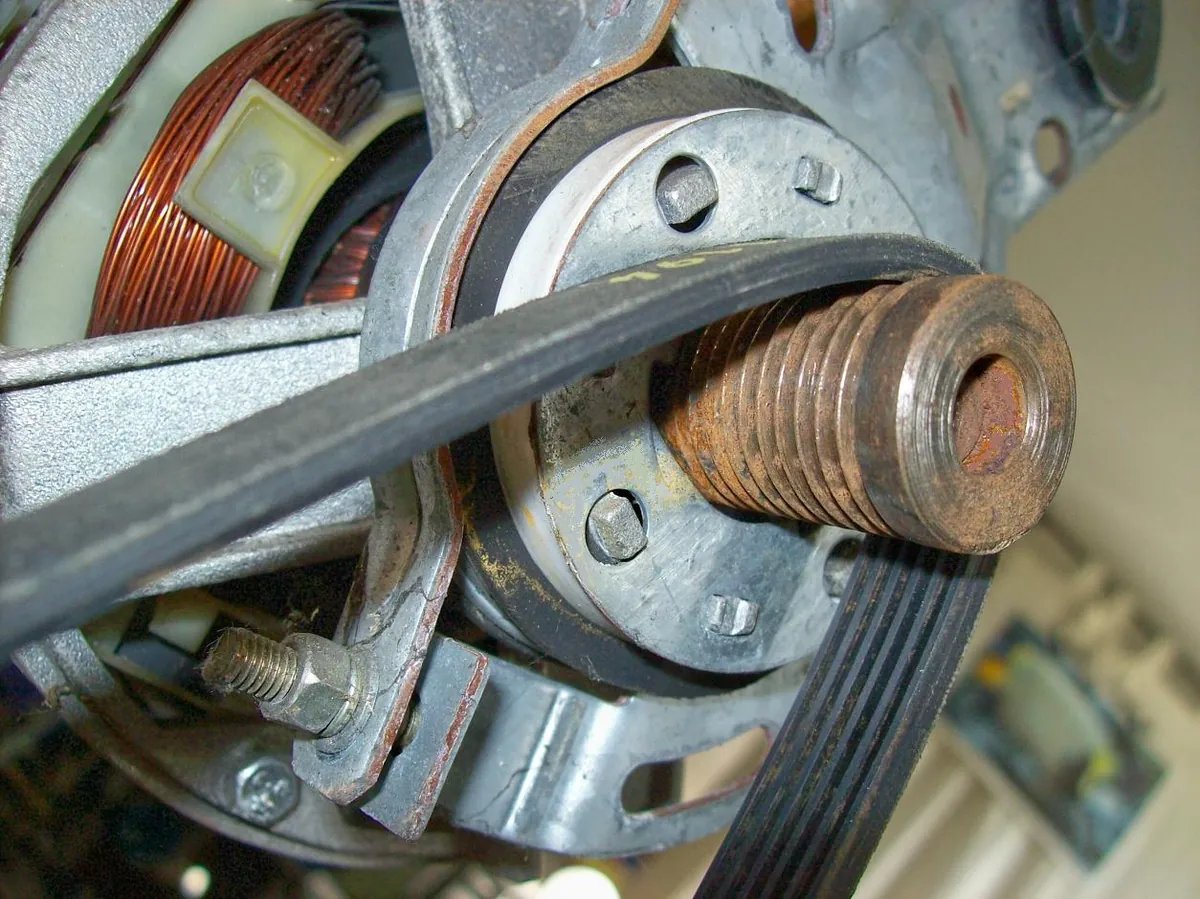
Six dryer sounds: normal or not
Some noise is part of how a dryer works. The trick is when the sound starts and whether it fades. Match yours to a card below, then tell the technician which one it was.
Brief start squeak
A short squeak as the drum gets moving, then quiet. GE lists this with the ordinary sounds.
Rumble and roar
A steady drum rumble is expected. Gas models add a click from the valve and a low burner roar.
Thump that fades
Rollers left idle for weeks go flat on one side and thump for a few minutes until they round out.
Squeak once hot
Quiet when cold, squealing after the heat builds. GE puts this on its list of sounds that need a look.
Chirp every few seconds
A short, regular chirp as the drum turns. Another GE warning sign, usually traced inside the cabinet.
Metal on metal
Scraping means something is caught in the front drum seal or the drum slides are worn or loose.
Why is my dryer squeaking or banging?
Usually something is loose or caught, and less often a worn drum support. The dryer may not sit level on a solid floor, a basket may be leaning on the cabinet, or a cabinet screw may have backed out. Coins, buttons and zippers left in pockets rattle as the drum turns, and gloves or sharp bits can fall down the lint-filter opening. Rollers come next: after weeks of sitting idle they thump for a few minutes, and new ones run loud until they wear in. Steady thumping, a hum, scraping metal or a squeak that starts only once the drum is hot points to worn slides, a frayed belt or a bearing. Unplug it and book a technician.
Which part is making the racket?
| Cause | How you can tell | Owner check or technician job |
|---|---|---|
| Dryer off level or touching something | Rattle or buzz against a wall, shelf or laundry basket | Owner fix: level it on a solid floor and clear the space around the cabinet |
| Loose cabinet screws | A panel that hums or rattles when you press on it | Owner fix: unplug, then snug the outer screws |
| Objects in the load | Clank or tick once per drum turn | Owner fix: empty pockets and shine a light down the lint-filter opening |
| Idle or brand-new rollers | Thump that fades within minutes, or extra noise on a new machine | Normal: let them round out or wear in |
| Caught seal or worn slides | Scraping metal around the drum opening | Technician job |
| Frayed belt or tired bearing | Thumping that never fades, a hum, or a squeal once hot | Technician job: GE replaces belt, bearing, slides and felt as one set |
Noisy stacked dryers in Honolulu closets
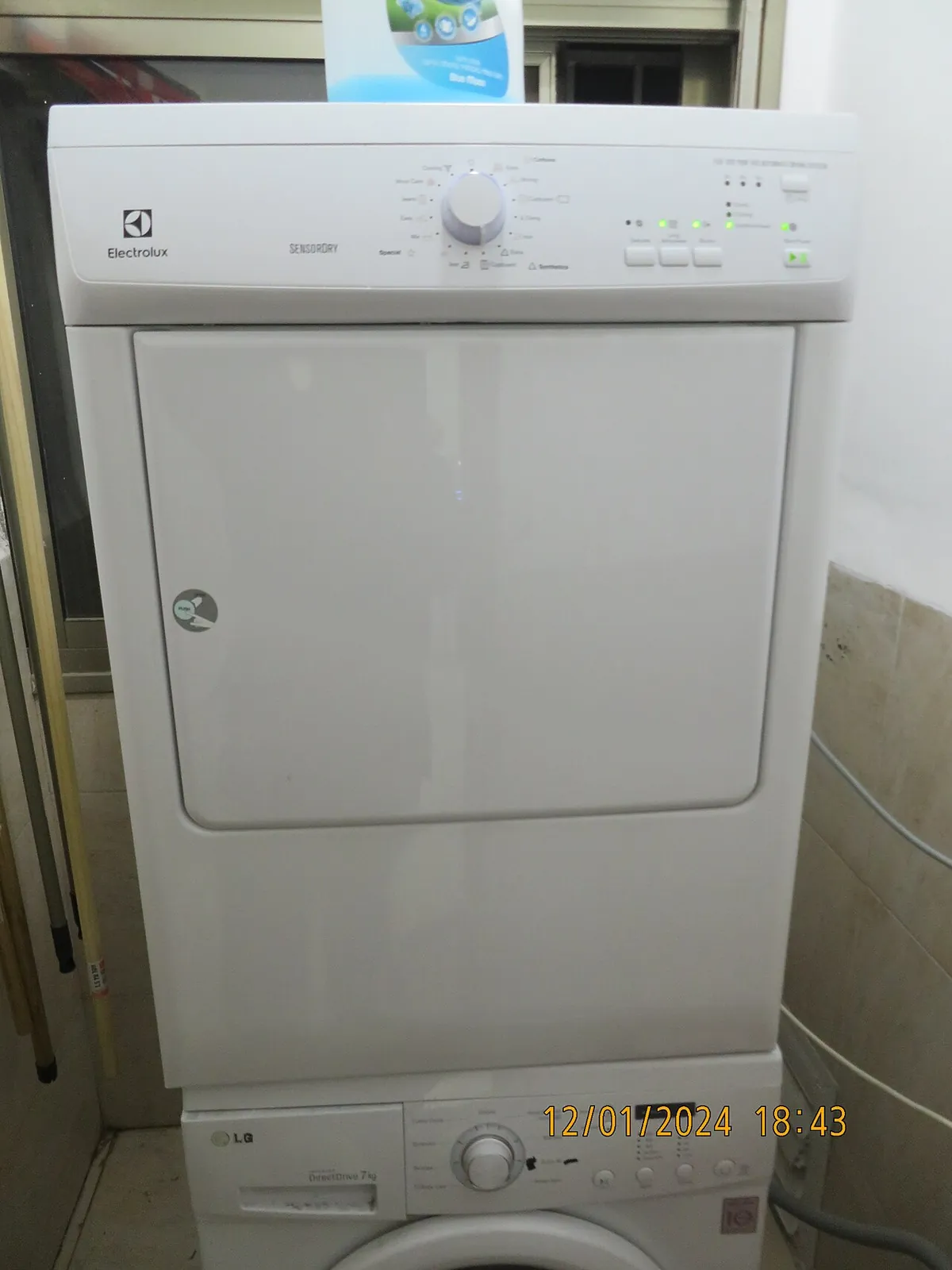
Island-wide, 41.0 percent of homes sit in buildings of three or more units, and many of those put the dryer on top of the washer in a closet. A stacked dryer is only as steady as the machine and floor beneath it. Check the washer's feet, and keep shelves and baskets off the sides, before you blame the drum.
How is a dryer noise tracked down?
Describe it
When you book in Honolulu, say when the sound starts: cold, once hot, or in a steady rhythm. A short phone recording helps.
Outside first
Level, feet, outer screws, pockets and the lint-filter opening are checked first. Many noises end right there, with no part needed.
Cabinet open
Power off, panels off. GE warns the cabinet edges are sharp. The rollers, front seal, slides, felt, belt and rear bearing are each inspected.
Worn set
Worn drum supports are replaced as a matched set and the dryer runs a full heated load so you can hear the difference.