
Refrigerator not cooling: what to check first
Touch a glass jar or a metal can on the middle shelf instead of feeling the air, which rushes out the moment the door opens. Then work down the causes below, the way a Honolulu technician would.
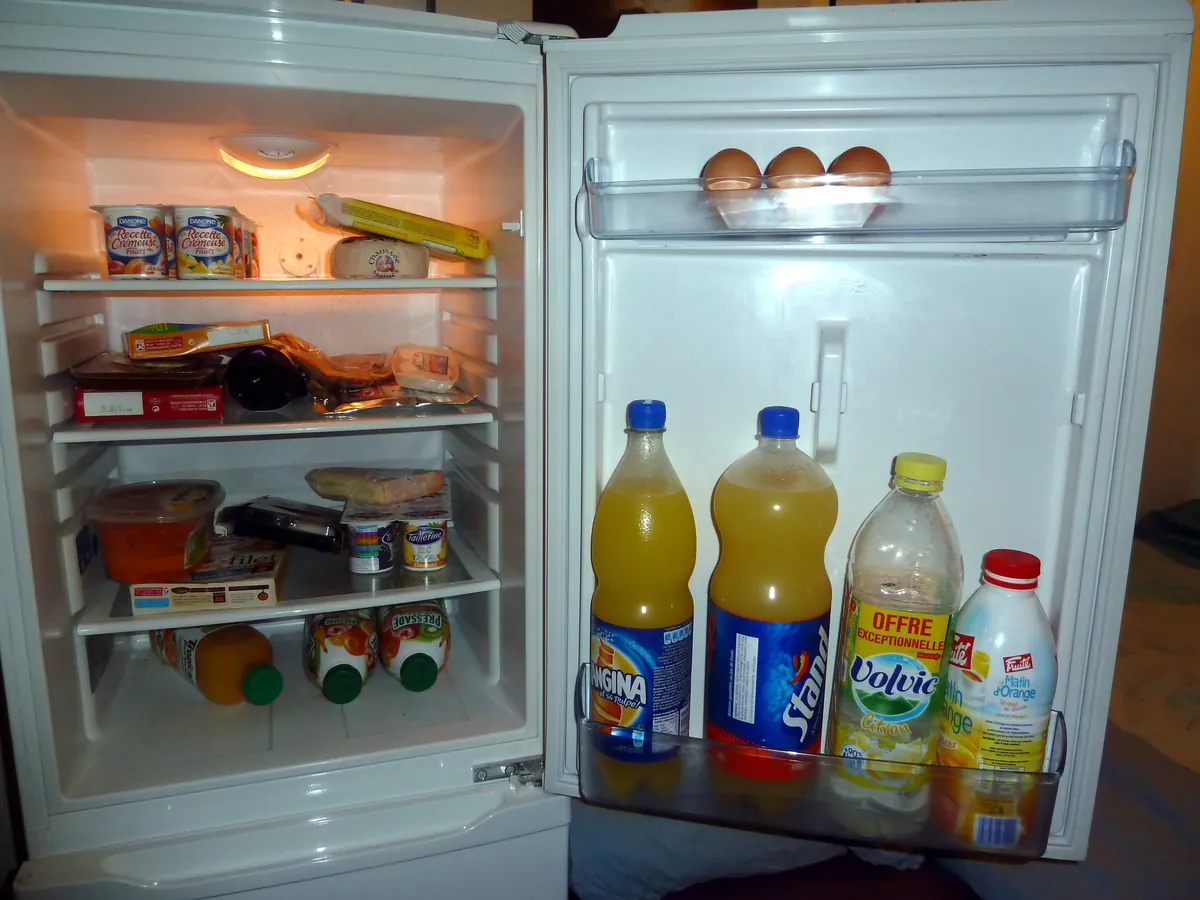
Why is my refrigerator not cooling?
Most fridges that stop cooling have been switched into a mode, are still settling, or cannot move their air. Look first for Cooling Off, demo or showroom mode, which keep the lights and display on while cooling stops. A new install needs about 24 hours before you judge it. Next comes blocked airflow: food pushed against the inside vents, tall items at the back, or shelves less than two-thirds full. After that, check the door seal and whether the door swings shut on its own. When every one of those passes and the food is still warm, the fault is usually inside the machine: the evaporator fan, the condenser fan, the start relay or the compressor, all technician work.
Six causes, from most to least likely
| Cause | How you can tell | Owner check or technician job |
|---|---|---|
| Cooling off, demo or showroom mode | Lights and display work, nothing gets cold | Owner check: read the panel and the manual for how to leave the mode |
| Blocked air path | Freezer fine, fresh-food side warm; packed shelves or tall items near the vents | Owner check: keep food about 2 inches from the vents and move tall items forward |
| Door not sealing | A dollar bill shut in the door slides out with no drag, or the door will not close from a 45-degree opening | Owner check: clean the gasket and retest; set the front legs so the front sits higher than the back |
| Light staying on | The interior light is still lit when the door is about 1 inch from closed | Owner check first; a light that stays on keeps adding heat, so book a repair |
| Dirty condenser coils | Compact or older top-freezer model in a greasy, dusty or pet-heavy home | Owner check where the manual allows it; some models can only be cleaned by a technician |
| Fan, relay or compressor | All checks pass and food stays warm; no measurable drop hours after a power cycle | Technician job |
Why a fridge works harder in a Honolulu kitchen
Heat is the load. Only about one Hawaii home in eight used central air conditioning in 2020, and the Honolulu airport averages 31.6 days a year at 90 F or above, so many fridges here sit in warm, damp rooms all year. GE designs its compressors to run 80 to 90 percent of the time and says they can approach 100 percent in hot, humid rooms; Whirlpool gives about 40 to 80 percent at normal room temperature. The makers disagree, so a fridge that runs a lot is not broken by that fact alone. Warm food is the real sign.
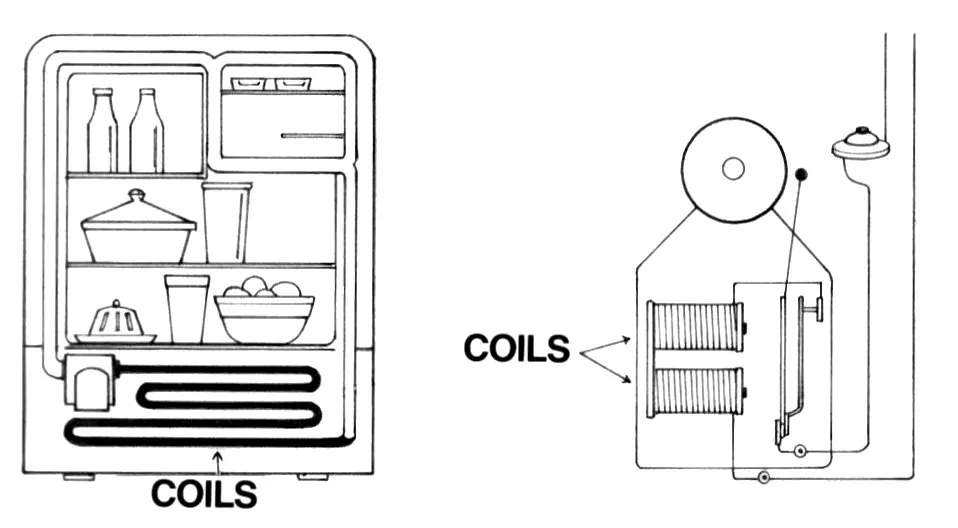
How is a warm fridge diagnosed?
Your checks
We ask which owner checks you already tried and for the model number. Leave the fridge plugged in, as GE asks, so the fault is still there.
Listening
The technician reads food temperatures, listens for both fans, and watches whether the compressor starts or just clicks and stops again.
Air path
Vents, the damper and the evaporator coil get checked for frost or blockage, because a starved fresh-food side usually traces back to the freezer.
Repair
A failed fan, relay or control is replaced with a part matched to your model. Then a Honolulu kitchen fridge needs hours, not minutes, to pull down.