
Freezer frost buildup: the pattern tells the cause
Look before you scrape. Frost inside a sealed package is moisture leaving the food. Frost coating the packages came in with damp air. A frosty ring around the door opening usually means something is holding the door off its seal.
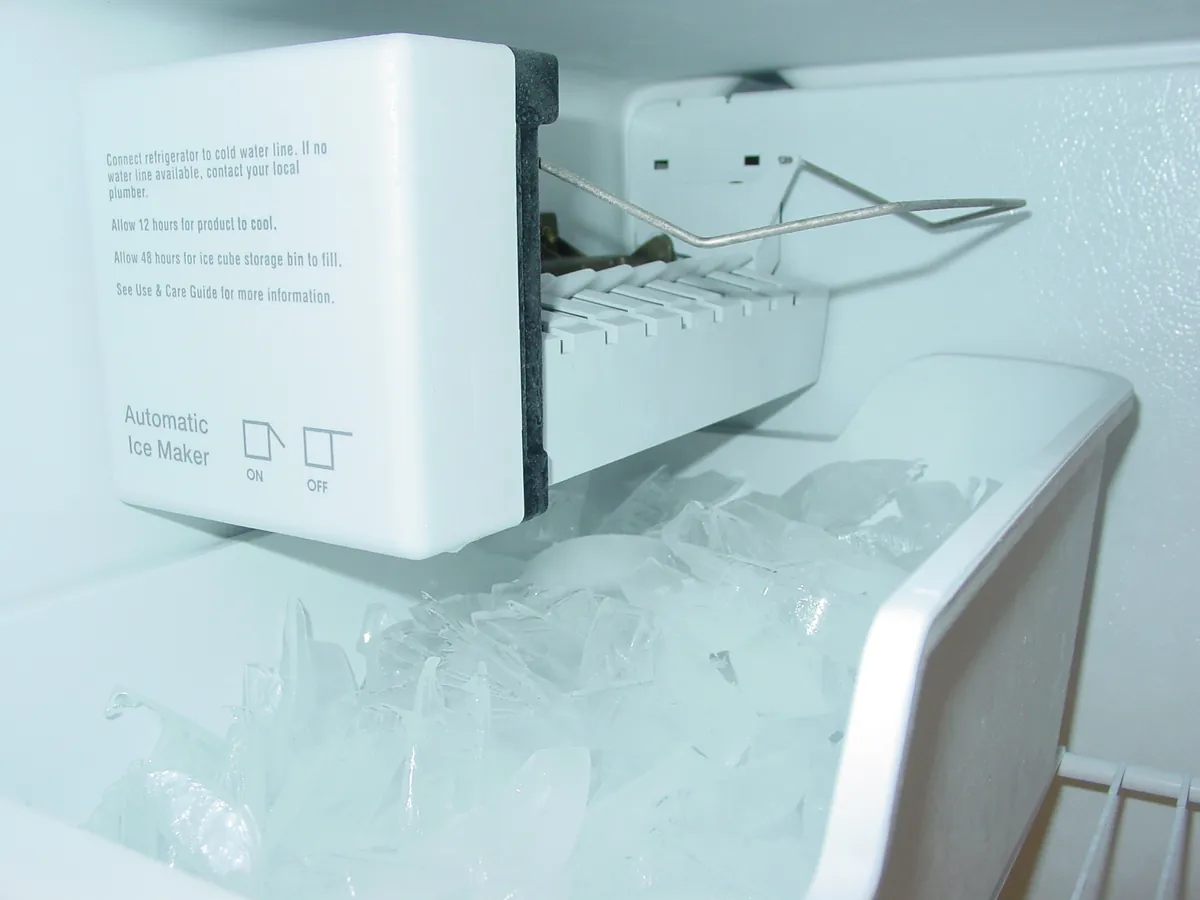
Why is frost building up in my freezer?
Frost builds when damp air gets in faster than the freezer can clear it, so the door comes first. Most often a package or shelf edge props the door a little open. Next is a gasket with a cut or a dirty face, then a cabinet that is not level enough for the doors to swing shut. Humid weather adds a light layer in any kitchen without air conditioning, and that part is normal. Thick frost or solid ice on a frost-free model means the automatic defrost has stopped, which is technician work. Ice spreading across the freezer floor points to a blocked defrost drain tube, and on most models that needs service too.
Six frost patterns and what each one means
Where the frost sits narrows the cause faster than how much there is. Match what you see in your freezer to one of these before you book a Honolulu visit, and leave the frost in place so the pattern can still be read.
Inside the package
Crystals inside a sealed bag come from water leaving the food itself. The freezer is not at fault.
On the packages
A fuzzy coat on the outside of food came in with humid room air during door openings.
Ring at the door
Frost along the opening means the door is not closing fully. Look for a tray or bag in the way.
Snow on the back wall
Heavy frost on the rear panel of a frost-free freezer suggests the defrost system has stopped running.
Ice on the floor
A sheet of ice under the bottom basket is melt water that could not get down the drain tube.
Manual-defrost layer
A chest or compact without a heater frosts by design. It just needs defrosting by hand now and then.
Frost causes, from most to least likely
| Cause | How you can tell | Owner check or technician job |
|---|---|---|
| Door held open | Frost around the opening; a bag, tray or shelf sits close to the door | Owner check: move the item, wipe the frost with a dry towel and watch for a day |
| Cut or dirty gasket | Frost gathers at one spot on the seal; a split or a gap is visible | Owner check: clean the seal; a torn gasket needs a replacement part |
| Doors out of line | The freezer door stops short or sits lower than its neighbor | Owner check: level the cabinet so both doors swing shut on their own |
| Control set colder than needed | Light frost everywhere, no other symptom | Owner check: GE suggests one step warmer |
| Defrost system stopped | Thick frost or ice on the rear panel of a frost-free model; airflow fades | Technician job |
| Defrost drain blocked | Ice on the freezer floor or water under the crisper pans | Technician job on most models |
Why do freezers frost faster in a humid Honolulu home?
Damp air rushes in at every door opening, and in Honolulu the air stays damp most of the year. Whirlpool treats some frost as normal in humid months, mainly in homes without air conditioning, and only about one Hawaii home in eight used central air in 2020. At the airport, normal relative humidity runs 72 percent at 8 a.m. With only about 6 F between Honolulu's warmest and coolest months, there is no dry season to reset things. Quick openings and a seal that grips matter here.
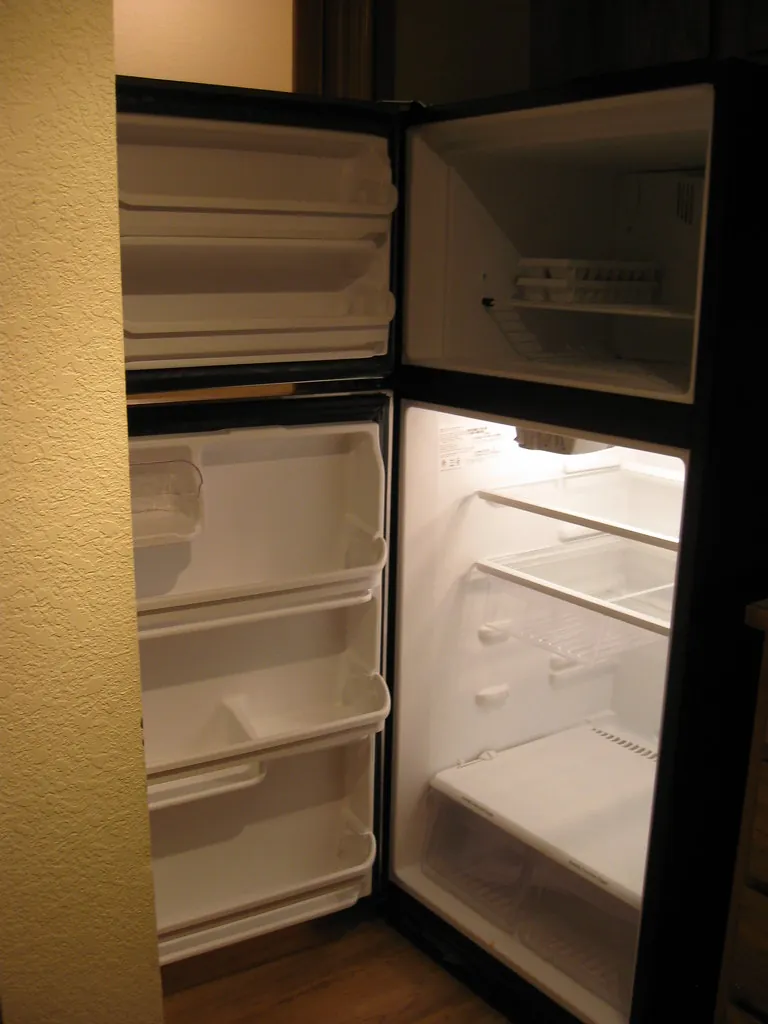
How a frost problem gets traced
The pattern
Tell us where the frost sits and how fast it returns. Please do not chip it away before the Honolulu visit, because the pattern is the evidence.
Door and seal
The gasket is checked for cuts, the doors for alignment and the cabinet for level, since a door that drifts open feeds frost all day.
Defrost test
On a frost-free unit the heater, its control and the drain path are tested. A healthy cycle warms the coil for roughly 25 to 45 minutes.
Repair
A failed defrost part is swapped for one matched to the model. The coil is cleared and the drain confirmed open all the way to the pan.