
Stove burner not working? Dry it before you worry
A gas burner that clicks without catching after a boil-over or a scrub is usually just wet. GE's fix is to dry the heads and caps completely, even 30 minutes in a warm oven, before anyone suspects a part.
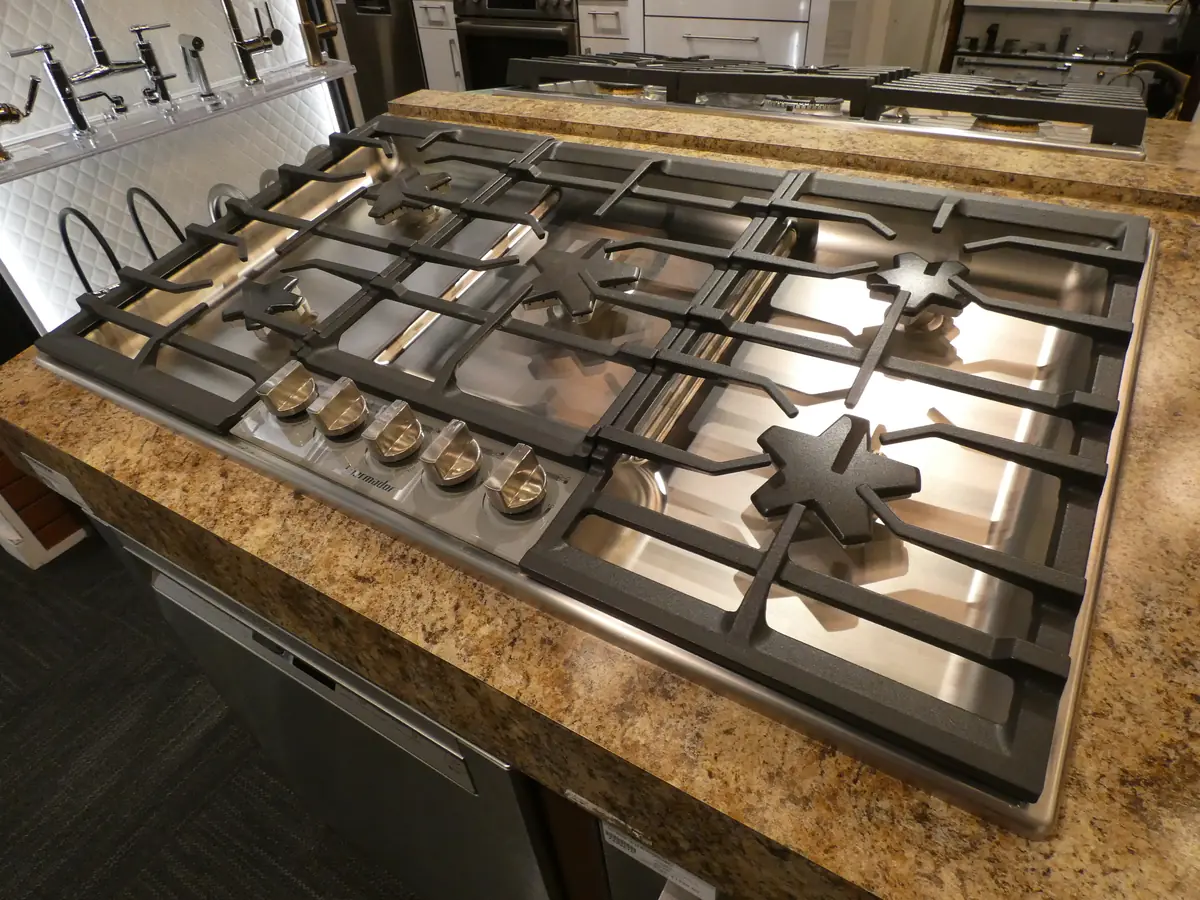
What your burner is telling you
Listen and look before you take anything apart. The sound a burner makes, or the silence, sorts most cases in a Honolulu kitchen into a cleaning job, a quick setting check or a part that needs a technician.
Clicks, no flame
Wet or clogged ports, or a cap sitting crooked, most often right after the cooktop was cleaned.
Clicks, knobs off
Whirlpool traces this to moisture in the switches after cleaning. Let the cooktop dry out first.
Total silence
No spark from any burner. Check the breaker and outlet; if the oven still runs, call for service.
Clicks once lit
An igniter still firing over a lit burner is stuck. Cut the power and shut the gas until it is repaired.
Slow to catch
GE allows 10 to 12 clicks. Beyond that, clean the ports and reseat the cap and electrode.
One coil cold
Swap it into a same-size socket. A coil that heats there means the original socket side failed.
Why won't my stove burner light?
On a gas cooktop it is usually water or debris, not a broken part. Spills and cleaning water fill the ports, the spark electrode gets nudged out of place, or a cap goes back on the wrong head. Dry the heads and caps fully. Open clogged ports with a needle, a paper clip or a straight pin, never a wooden toothpick, and press the electrode tip flush. If nothing clicks at all, check the breaker and the outlet; a range whose oven works while no burner sparks needs service. On an electric coil top, move the dead coil to a same-size socket. If it heats there, the fault is on the socket side.
Which fault fits your burner?
| Cause | How you can tell | Owner check or technician job |
|---|---|---|
| Wet heads or caps | Clicks without lighting right after a boil-over or a wipe-down | Owner check: dry them fully; a warm oven speeds it up |
| Clogged ports | Flame missing from part of the ring, or no flame at all | Owner check: a needle, paper clip or straight pin, never a wooden toothpick |
| Wrong or crooked cap | A medium cap on a small burner, or a cap tilted on its head | Owner check: match each cap to its head and seat it level |
| No spark power | No burner clicks; check whether the oven still works | Owner check: breaker and outlet. Oven fine but no sparks: technician job |
| Stuck igniter switch | Clicking with the knobs off, or after the flame is lit | After cleaning, let it dry. Clicking past ignition: power off, gas off, technician |
| Electric coil or socket | One coil stays cold while the others heat | Owner check: the swap test; socket and wiring repairs go to a technician |
Most burners here run on electricity
EIA's 2020 survey found an electric cooking appliance in 85 percent of Hawaii homes, against 68 percent nationally. So in Honolulu a dead burner is more often a coil or a smooth-top zone than a gas ring. Smooth-top and induction zones carry heat sensors that shut the zone off early when a warped pan rocks on the glass. And if every surface unit is cold while the clock still runs, GE says the power cord connection may be wired wrong.
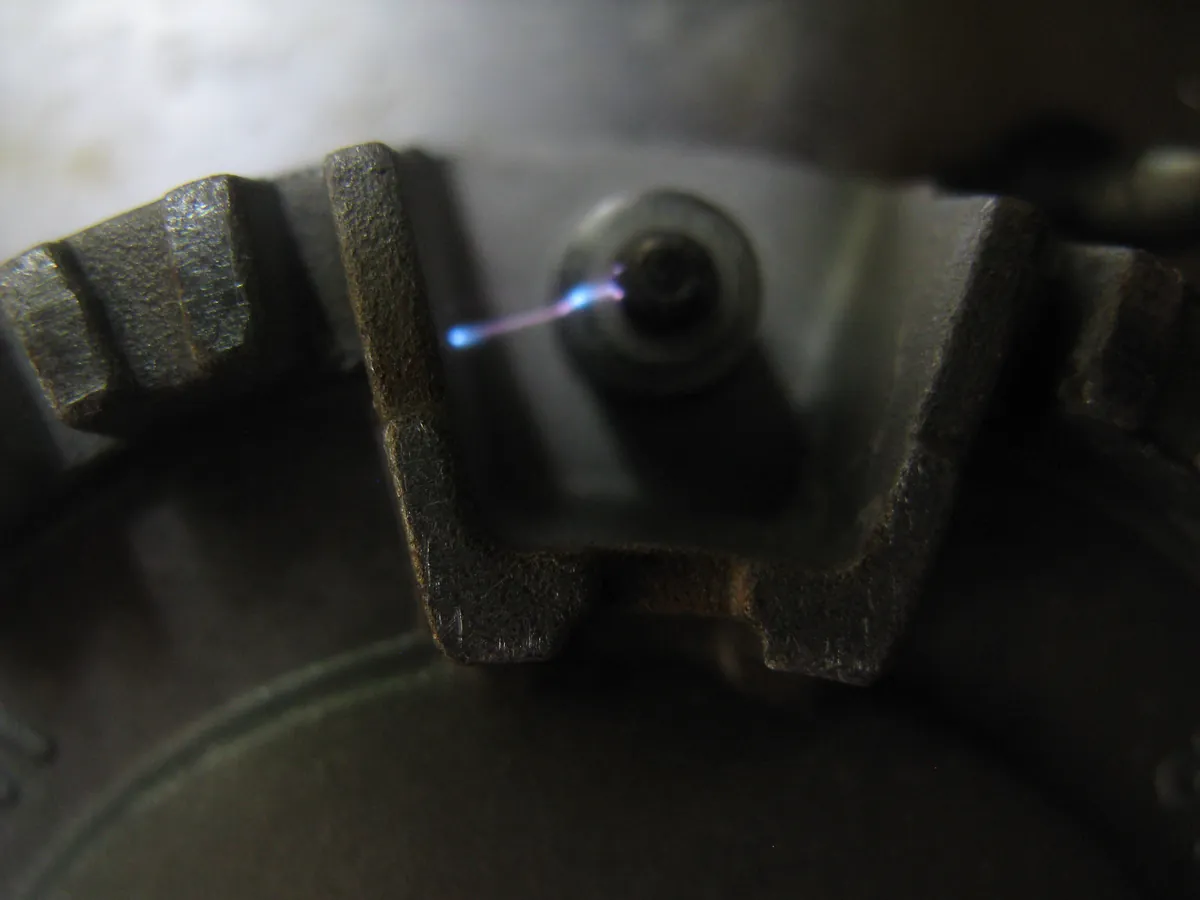
How is a dead burner traced?
Gas first
A gas smell stops the work in any Honolulu kitchen: windows open, no switches touched, and the gas supplier called from outside the house.
Spark test
On many GE ranges all four electrodes fire together from one module, so a single silent electrode points to that electrode or its wire.
Burner parts
Heads, caps and ports on your Honolulu range are cleaned and seated, then the flame is checked for an even ring. A burner that needs adjusting gets it now.
Electric side
Coils are swapped between sockets and zones tested with a flat pan. If the range was pulled out, its anti-tip bracket is engaged again before the visit ends.